
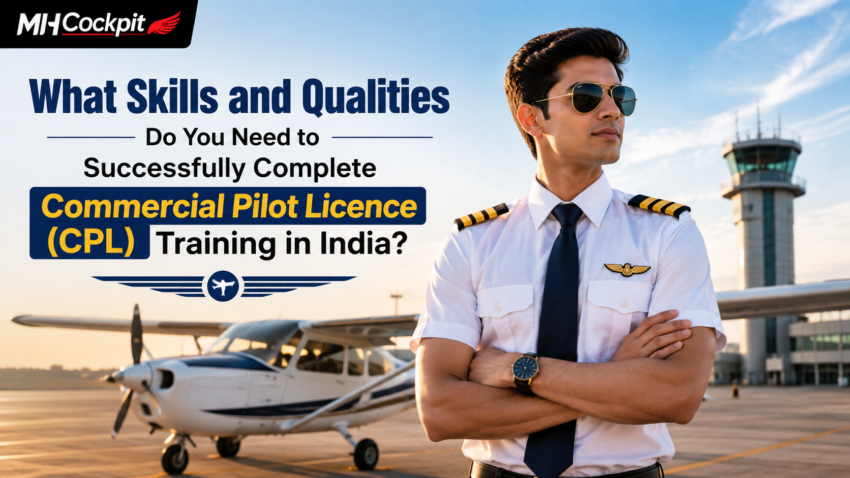
Many people think becoming a commercial pilot is only about learning how to fly an aircraft. In reality, completing Commercial Pilot Licence (CPL) training in India requires much more than mastering take-offs and landings. Flight schools teach you the technical side of aviation, but your personal skills, attitude, and work ethic often determine how smoothly you complete the training.
Every year, aspiring pilots begin their CPL journey with excitement. Some complete the course on schedule, while others struggle with examinations, flight training, or maintaining consistency. The difference is often not intelligence but preparation and the habits students develop during training.
If you’re planning to become a commercial pilot, here are the qualities that will help you succeed throughout your journey.
Discipline Is Your Biggest Advantage
Pilot training follows a structured schedule. You’ll spend time attending ground school classes, preparing for DGCA examinations, completing simulator sessions, and logging flight hours. Missing classes or postponing your studies can quickly create a backlog.
Successful students usually build a daily routine that includes studying aviation subjects, reviewing previous lessons, and preparing for upcoming flights. Consistency matters much more than studying for long hours occasionally.
Learning to follow procedures carefully is equally important because aviation is built on standard operating procedures. Developing discipline during training prepares you for airline operations later in your career.
Build Strong Theoretical Knowledge
Flying is not just about controlling an aircraft. Every decision a pilot makes is supported by theoretical knowledge.
During CPL training, you’ll study subjects such as:
- Air Navigation
- Aviation Meteorology
- Air Regulations
- Technical General
- Technical Specific
- Radio Telephony
These subjects help you understand weather patterns, aircraft systems, navigation methods, flight planning, and aviation regulations. Students who understand the concepts instead of memorising answers often perform much better during flight training.
Ground knowledge also makes practical flying lessons more meaningful because you understand why certain procedures are followed.
Stay Calm Under Pressure
Every flight does not go exactly as planned.
Weather conditions can change unexpectedly. Flight schedules may get delayed. Instructors might introduce emergency scenarios during training. Sometimes you’ll make mistakes that need immediate correction.
One of the qualities instructors appreciate most is staying calm under pressure.
Professional pilots learn to analyse situations carefully before reacting. Developing this habit during training helps build confidence and improves decision-making in real flight situations.
Situational Awareness Matters Every Flight
Situational awareness is one of the most valuable skills a pilot develops.
This means always being aware of:
- Aircraft position
- Weather conditions
- Fuel status
- Air traffic
- Navigation route
- Aircraft performance
Good situational awareness helps pilots anticipate problems before they become serious. It’s a skill that improves with experience, but students who actively practise it during training often become more confident pilots.
Communication Skills Are Essential
Pilots communicate constantly with instructors, air traffic controllers, dispatch teams, and eventually airline crew members.
Effective communication means speaking clearly, listening carefully, and using standard aviation phraseology correctly.
Many students initially feel nervous when talking to Air Traffic Control (ATC), but regular practice helps build confidence. Strong communication skills also reduce misunderstandings and contribute to safer operations.
Be Open to Feedback
No student completes flight training without making mistakes.
Every flight lesson ends with a debrief where instructors explain what went well and what needs improvement. Students who accept feedback positively usually improve much faster than those who become discouraged by criticism.
Learning from mistakes is part of becoming a safe pilot.
Every experienced captain has made errors during training. The important part is recognising them, correcting them, and avoiding the same mistake again.
Good Time Management Makes Training Easier
Pilot training involves balancing multiple responsibilities at once.
You’ll need to prepare for DGCA exams while completing flight lessons, simulator sessions, medical requirements, licence documentation, and sometimes additional certifications.
Students who organise their schedules effectively usually experience less stress throughout training.
Simple habits like maintaining a study planner, reviewing lessons daily, and preparing before each flight lesson can make a noticeable difference.
Physical and Mental Fitness Are Equally Important
A Commercial Pilot Licence requires maintaining DGCA medical standards.
However, being medically fit is only one part of the equation.
Pilots also need:
- Good concentration
- Healthy sleep patterns
- Stress management
- Physical stamina
- Mental alertness
Fatigue can affect judgement and reaction time, so developing healthy habits early benefits students throughout their aviation careers.
Patience Helps You Handle Delays
Flight training rarely follows a perfect schedule.
Flights may be cancelled because of weather conditions, aircraft maintenance, or operational reasons. These delays are a normal part of aviation.
Students who stay patient and continue preparing during these interruptions often progress more smoothly than those who become frustrated by temporary setbacks.
Remember that every pilot faces delays during training.
Develop a Professional Attitude Early
Airlines look for more than technical flying skills.
Professional behaviour starts during pilot training.
This includes:
- Being punctual
- Following safety procedures
- Respecting instructors
- Working well with others
- Taking responsibility for your learning
Building these habits early makes the transition from student pilot to airline pilot much easier.
Financial Planning Is Often Overlooked
CPL training is a major investment, and financial planning plays an important role in completing it without unnecessary interruptions.
Before starting training, students should understand the overall costs involved, including flying hours, examination fees, medicals, accommodation, licence processing, and other expenses. Having a realistic financial plan allows you to focus on training instead of worrying about unexpected costs.
Why Proper Career Guidance Can Help
Many aspiring pilots spend weeks comparing flight schools, trying to understand DGCA requirements, or figuring out the right pathway after Class 12. Getting proper guidance before making these decisions can save both time and money.
I’ve seen students who approached MH Cockpit before starting their journey because they wanted clarity about the pilot training process. They explained the CPL pathway, eligibility requirements, and helped students compare different Flight Training Organisations based on their goals. Since they also have tie-ups with aviation colleges, some students were able to plan both their academic education and pilot training together, which made the overall process easier to understand rather than trying to figure everything out on their own.
Final Thoughts
Becoming a commercial pilot is about much more than learning to operate an aircraft. The students who complete CPL training successfully are usually those who stay disciplined, remain consistent with their studies, accept feedback, manage their time well, and continue learning throughout the journey.
Flying skills improve with practice, but qualities like patience, professionalism, communication, and sound decision-making are what shape a dependable pilot.
If you’re serious about building a career in aviation, focus on developing these habits from day one. They’ll not only help you earn your Commercial Pilot Licence but also prepare you for the responsibilities that come with flying passengers safely throughout your career.