
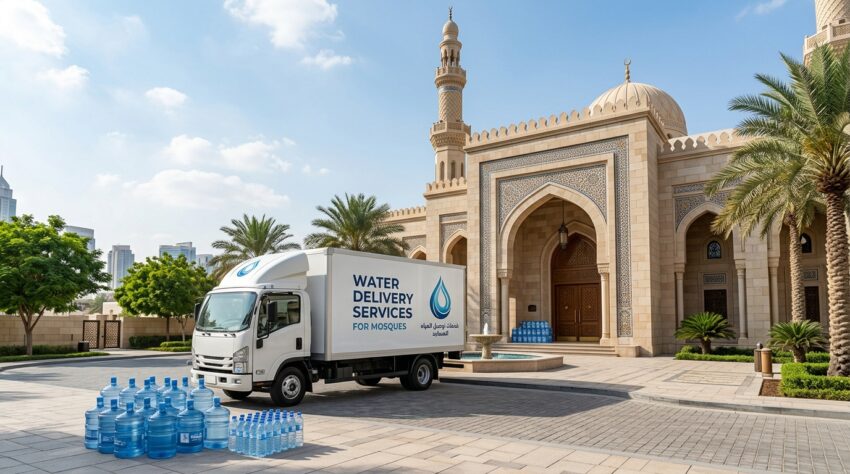
Mosques serve as important places for prayer, learning, gatherings, and community activities, which means having a dependable water supply is essential. Water Delivery Services For Mosques help mosque administrators maintain access to water for drinking, cleaning, ablution, and other daily needs. I believe a reliable water arrangement is especially important when a mosque receives many visitors or hosts community events. New water delivery services can provide flexible options for mosques that need regular supplies, additional water during busy periods, or dependable support when their normal water source is limited.
A mosque may have different water requirements depending on its size, location, facilities, and number of visitors. Some mosques need drinking water for worshippers, while others require larger quantities for cleaning, ablution areas, kitchens, classrooms, or community gatherings. A suitable water delivery arrangement can help administrators plan these requirements instead of waiting until supplies become low.
Why Water Supply Matters for Mosques
Water is an important part of everyday mosque operations. Worshippers may need water for drinking and ablution, while mosque staff require water for cleaning and maintaining facilities.
A dependable water supply can support:
- Drinking water needs
- Ablution facilities
- Cleaning activities
- Kitchen requirements
- Community gatherings
- General mosque maintenance
We often notice the importance of water most when there is not enough available. Planning ahead can help mosque administrators avoid unnecessary interruptions.
New Water Delivery Services for Changing Needs
New water delivery services provide different options for organizations with changing water requirements. A mosque may need a small regular delivery during normal weeks and additional water during religious gatherings or community events.
Delivery arrangements can be planned according to:
- Mosque size
- Number of visitors
- Water consumption
- Storage capacity
- Event schedules
- Location
You can choose a delivery schedule based on actual usage rather than relying on estimates alone.
Mosque Water Delivery
Mosque water delivery provides a practical way to maintain water availability when existing supplies are not sufficient. Depending on the mosque’s requirements, deliveries may support drinking water, facility cleaning, ablution areas, or other approved uses.
Administrators should first identify how much water the mosque normally uses and how much storage space is available. I believe this simple assessment makes it easier to establish a delivery schedule that is practical and avoids unnecessary shortages.
Water Supply for Mosques
A suitable water supply for mosques should take into account both regular and occasional needs. Daily prayer services may create consistent demand, while Friday prayers, Ramadan activities, religious events, educational programs, and community gatherings can increase consumption.
Mosque administrators can consider:
- Daily water requirements
- Peak visitor periods
- Storage tank capacity
- Delivery frequency
- Drinking water requirements
- Cleaning requirements
We can plan more effectively when regular consumption and special occasions are considered together.
Community Water Supply
Mosques often serve more than worshippers attending daily prayers. Many also provide space for educational activities, charitable programs, community meetings, and social gatherings.
A dependable community water supply can support these activities by making water available when people need it.
Community requirements may include:
- Drinking water
- Event refreshments
- Cleaning facilities
- Educational activities
- Community gatherings
I think water planning becomes even more important when a mosque regularly hosts activities involving larger groups of people.
Reliable Water Delivery
Reliable water delivery means that the mosque receives its required supply according to an agreed schedule and suitable arrangements. Reliability is particularly important when water is needed for daily operations.
A dependable delivery plan can help administrators:
- Maintain adequate reserves
- Reduce emergency requests
- Plan storage
- Manage regular consumption
- Prepare for busy periods
You should also keep track of previous deliveries and consumption patterns because this information can help determine future requirements.
Regular Water Delivery
Regular water delivery can be arranged according to the mosque’s normal consumption. Some facilities may require frequent deliveries, while others may need supplies less often because they have larger storage capacity.
A regular schedule may be based on:
- Daily usage
- Weekly requirements
- Monthly consumption
- Seasonal demand
- Special events
We can adjust the schedule when usage changes. For example, a mosque may require additional water during periods when attendance increases.
Safe Water Supply
A safe water supply is important when water is intended for drinking or other purposes where quality matters. Mosque administrators should select suppliers that follow applicable water quality, storage, transportation, and handling requirements.
Important considerations may include:
- Clean storage containers
- Appropriate transportation
- Proper handling
- Suitable packaging
- Supplier quality procedures
I believe water quality should always be considered before delivery arrangements are finalized, especially when water will be consumed by worshippers and community members.
Bottled Water for Mosque Visitors
Bottled water can be useful when mosques need convenient drinking water for visitors. It may be particularly practical during large gatherings, educational programs, or community events.
Bottled water arrangements can help provide:
- Individual drinking portions
- Easy distribution
- Convenient storage
- Event support
- Portable refreshments
You can estimate the required quantity by considering the number of expected visitors and the length of the event.
Bulk Water Supply
Some mosque facilities require larger quantities of water for general operational purposes. Bulk water supply can be considered when storage tanks or other suitable containers are available.
Bulk delivery may support:
- Cleaning
- Ablution facilities
- General maintenance
- Large community events
- Facility operations
The required volume depends on the mosque’s infrastructure and intended use. Administrators should make sure storage facilities are appropriate for the type of water being delivered.
Water Delivery for Mosque Facilities
Different areas within a mosque may have different water requirements. A larger mosque may have prayer areas, ablution facilities, washrooms, kitchens, classrooms, offices, and outdoor spaces.
Mosque facility services can therefore include planning for water requirements across several areas.
Administrators can review:
- Ablution areas
- Washrooms
- Drinking stations
- Kitchens
- Cleaning areas
- Educational rooms
We can avoid supply gaps when every major facility is included in the water planning process.
Water for Ablution Areas
Ablution facilities are among the most important areas to consider when planning mosque water requirements. Daily prayer services create recurring demand, while Friday prayers and larger gatherings can result in higher consumption.
Administrators can monitor:
- Number of ablution stations
- Average daily attendance
- Peak prayer periods
- Water storage
- Plumbing conditions
I believe monitoring these factors can help mosques estimate their actual water requirements more accurately.
Drinking Water for Worshippers
Providing accessible drinking water can be helpful for worshippers, staff, students, and community visitors. The requirement may increase during hot weather or large gatherings.
Drinking water arrangements can include:
- Bottled water
- Drinking stations
- Water dispensers
- Stored drinking water
You should make sure drinking water is stored and handled according to appropriate health and safety requirements.
Water Delivery During Community Events
Mosques may host activities that increase water consumption beyond normal daily levels. These can include educational programs, charity activities, community meetings, religious gatherings, and other events.
Before an event, administrators can estimate:
- Expected attendance
- Event duration
- Drinking water needs
- Cleaning requirements
- Available storage
We can reduce the risk of shortages by arranging additional water before large events instead of waiting until supplies become limited.
Water Delivery During Ramadan
Ramadan can change the daily activity level of many mosques. Evening prayers, educational programs, community meals, and increased attendance can create additional water requirements.
Mosque administrators may need to review:
- Drinking water needs
- Cleaning requirements
- Ablution demand
- Community meal activities
- Expected attendance
I recommend reviewing previous consumption records when planning water requirements for recurring periods because historical information can provide a useful starting point.
Emergency Water Delivery
Unexpected problems can affect normal water availability. Plumbing issues, supply interruptions, maintenance work, or unusually high attendance may create urgent requirements.
Water delivery solutions can provide additional support when normal supplies are temporarily unavailable.
Emergency planning may include:
- Backup water storage
- Supplier contact information
- Emergency delivery arrangements
- Consumption monitoring
- Regular storage checks
You can reduce disruption by keeping a simple emergency water plan available for mosque administrators and staff.
Storage and Delivery Planning
Water delivery is only one part of maintaining a dependable supply. Mosques also need suitable storage facilities and a clear process for receiving deliveries.
Administrators should consider:
- Storage capacity
- Container condition
- Delivery access
- Available storage space
- Cleaning requirements
- Consumption rates
We should make sure that the delivery volume matches available storage. Ordering more water than a facility can safely store may create unnecessary problems.
Choosing Water Delivery Services
Selecting suitable water delivery services requires more than comparing delivery frequency. Mosque administrators should consider the reliability and suitability of the service for their actual requirements.
Important factors include:
- Water quality procedures
- Delivery schedule
- Service area
- Available quantities
- Storage requirements
- Delivery reliability
- Customer support
I believe clear communication between the mosque administration and supplier is important because water requirements can change throughout the year.
Benefits for Mosque Administration
A planned water delivery arrangement can reduce the administrative effort involved in monitoring supplies. Instead of making last minute arrangements, staff can work from an established schedule.
Potential benefits include:
- Better supply planning
- Fewer shortages
- Easier budgeting
- Improved facility management
- Better event preparation
- More consistent water availability
You can also review delivery records to identify whether the current schedule matches actual consumption.
Supporting Community Needs
Mosques are often closely connected with the communities they serve. Maintaining basic facilities helps create a more comfortable environment for worshippers and visitors.
Reliable water can support:
- Daily worship
- Community programs
- Educational activities
- Charity events
- Religious gatherings
- General facility operations
I believe practical services such as dependable water supply contribute to the smooth operation of community spaces.
Future Water Delivery Solutions
Water delivery services are likely to become more organized through improved scheduling, digital ordering, delivery tracking, consumption records, and better communication between suppliers and customers. Mosques may increasingly use simple digital tools to monitor water usage and plan deliveries according to historical consumption.
We may also see more flexible delivery arrangements that allow facilities to increase or reduce supply according to seasonal requirements and community activities.
Final Thoughts
Water Delivery Services For Mosques provide practical support for maintaining water availability for worshippers, staff, and community activities. Whether a mosque needs new water delivery services, mosque water delivery, water supply for mosques, community water supply, reliable water delivery, regular water delivery, safe water supply, mosque facility services, or water delivery solutions, the right arrangement should be based on actual consumption, storage capacity, facility requirements, and expected attendance. I believe careful planning helps mosque administrators maintain dependable supplies without unnecessary last minute arrangements. When water quality, delivery schedules, storage, and community needs are considered together, mosques can maintain their facilities more effectively and provide a reliable environment for everyone who visits.