
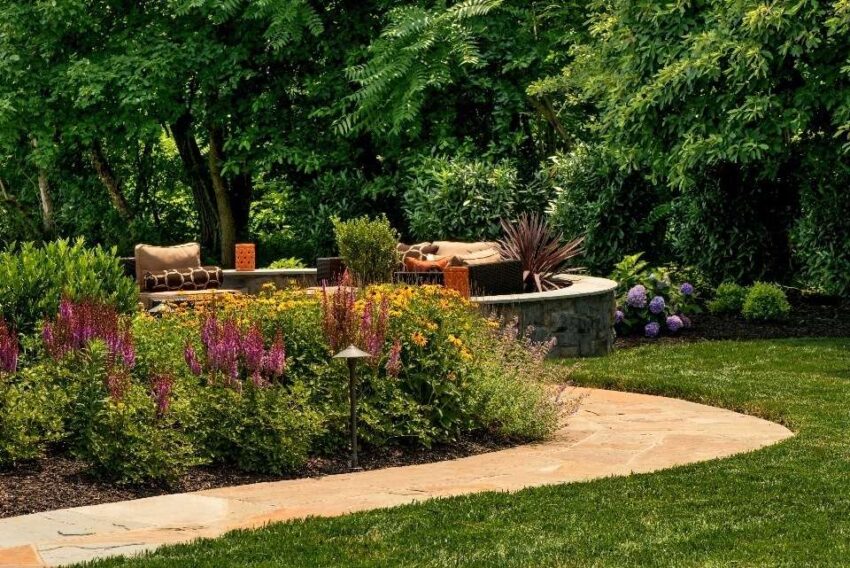
Summer in Weatherford can put considerable stress on lawns, trees, shrubs, flower beds, and other outdoor features. Rising temperatures, intense sunlight, dry periods, and unpredictable rainfall can quickly expose weaknesses in a landscape maintenance routine. Preparing before extreme heat arrives gives plants a better opportunity to remain healthy while reducing avoidable damage and water waste. A thoughtful Landscape Maintenance Weatherford TX plan should therefore place irrigation, soil moisture, mowing, mulching, and heat protection at the center of summer preparation.
Inspect Your Landscape Before Summer Heat Arrives
A detailed inspection is one of the best ways to prepare a property for challenging summer conditions. Walk through the lawn and planting beds and look for thin turf, exposed soil, wilted plants, damaged branches, compacted areas, and signs of poor drainage. Pay attention to locations that already dry out faster than the rest of the yard because these areas may become significantly more stressed during prolonged heat. Identifying weaknesses early allows homeowners to address them before summer conditions make recovery more difficult.
Trees and shrubs should receive particular attention because mature plants represent a substantial part of the property’s long-term landscape investment. Check for dead or broken branches, damaged bark, unusual leaf discoloration, and signs of pest activity. Avoid performing heavy pruning simply because summer is approaching, as excessive removal of foliage can increase stress during hot weather. Proper inspection and selective maintenance are important elements of responsible Landscape Maintenance Weatherford TX and can help identify potential problems before they become larger issues.
Check Your Irrigation System for Summer
A reliable irrigation system is essential when temperatures rise and natural rainfall becomes less predictable. Before summer begins, inspect sprinkler heads for damage, clogging, poor alignment, or water spraying onto sidewalks and driveways. Check exposed components for leaks and make sure each irrigation zone is covering the areas it is supposed to water. Uneven coverage can leave some plants struggling with drought stress while other areas receive more water than necessary.
Homeowners should also review irrigation controllers and seasonal watering schedules before the hottest part of the year. A timer that worked well during spring may provide too much or too little water as temperatures and rainfall patterns change. If you notice broken components, persistent dry spots, leaking lines, or inconsistent pressure, professional Irrigation Repair Weatherford TX may be appropriate. Correcting these problems early can improve water distribution and help the landscape handle periods of extreme heat more effectively.
Water Plants Efficiently During Hot Weather
Summer irrigation should focus on delivering adequate moisture to the root zone rather than simply watering more frequently. Short, shallow watering can encourage roots to remain near the soil surface, where they are more vulnerable to rapid drying. Deeper and appropriately timed watering can encourage better root development, although the ideal schedule depends on turf type, soil, weather, plant maturity, and local restrictions. Homeowners should observe soil moisture and plant condition instead of following an identical schedule throughout the entire summer.
Watering during cooler portions of the day can also reduce unnecessary evaporation. Early morning is commonly a practical time because plants have access to moisture before temperatures rise, while watering late at night can leave foliage wet for extended periods. The objective is not to keep the landscape constantly saturated but to maintain appropriate moisture without encouraging runoff or disease. Combining efficient irrigation with broader Landscape Maintenance Weatherford TX practices helps plants use available water more effectively.
Protect Soil and Roots With Mulch
Mulching can provide valuable protection for landscape beds during hot Weatherford summers. A suitable layer of organic mulch can reduce direct exposure of soil to sunlight, slow moisture evaporation, and moderate temperature fluctuations around plant roots. Mulch can also reduce weed competition by limiting exposed soil where unwanted plants can establish. These benefits make properly maintained mulch a useful component of summer preparation, particularly around trees, shrubs, and ornamental planting beds.
However, homeowners should avoid creating excessive mulch piles around trees and shrubs. Mulch should not be packed directly against trunks or stems because persistent moisture against plant tissue can contribute to problems. The material should be distributed evenly at an appropriate depth while maintaining clearance around plant bases. Checking mulch periodically after heavy rain or strong winds can also prevent displaced material from blocking drainage or accumulating in undesirable locations.
Adjust Lawn Mowing and Fertilization Practices
Summer mowing requires a balance between maintaining an attractive appearance and avoiding unnecessary stress on turf. Cutting grass excessively short can reduce leaf area, expose soil, and increase vulnerability to heat and drought. The appropriate mowing height varies according to turfgrass species and seasonal growth conditions, so homeowners should avoid assuming that every lawn should be maintained at the same height. Keeping mower blades sharp and removing only an appropriate portion of the grass blade during each mowing can support healthier turf.
Fertilization should also be approached carefully during periods of extreme heat. Applying excessive fertilizer when turf or ornamental plants are already stressed can create additional problems rather than producing healthier growth. Soil testing can help determine whether nutrients are actually needed and which amendments may be appropriate. A knowledgeable Landscape Maintenance Weatherford TX provider can evaluate turf conditions and recommend maintenance based on grass type, soil characteristics, and seasonal requirements instead of relying on a one-size-fits-all schedule.
Protect Trees, Shrubs, and Sensitive Plants
Trees and established shrubs generally have deeper root systems than many smaller landscape plants, but they can still experience stress during prolonged heat and drought. Newly planted trees and shrubs may require closer monitoring because their root systems have not yet fully developed within the surrounding soil. Look for signs such as drooping leaves, premature leaf drop, scorched foliage, or unusually slow growth. These symptoms should be considered alongside soil moisture, recent weather, irrigation coverage, and possible pest or disease issues.
Smaller ornamental plants and container plants may dry out faster because they have less soil available to retain moisture. Containers should be monitored frequently during extreme heat, particularly when exposed to afternoon sunlight. Shade cloth or temporary protection may be appropriate for especially sensitive plants, depending on their requirements and location. Avoid moving or heavily pruning established plants simply because they appear stressed until the underlying cause has been considered carefully.
Watch for Heat-Related Lawn Problems
Heat can expose weaknesses in turf that were less obvious during spring. Brown or thinning areas may result from drought stress, compacted soil, poor irrigation coverage, insects, disease, or other conditions, so homeowners should avoid assuming that every brown patch simply needs more water. Increasing irrigation without identifying the cause can waste water and may worsen certain problems. Regular inspection provides an opportunity to distinguish between environmental stress and issues requiring a different response.
Foot traffic can also become more damaging when turf is already under heat stress. Try to limit unnecessary traffic across severely dry or dormant areas and avoid parking vehicles or storing heavy objects on lawn surfaces. Keep an eye on areas near driveways, sidewalks, foundations, and large trees because reflected heat and competition for water can influence turf performance. Consistent Lawn Maintenance Weatherford TX practices can help preserve stronger turf as summer conditions intensify.
Create a Summer Maintenance Schedule
A written summer maintenance schedule can make landscape care more manageable and prevent important tasks from being overlooked. Include irrigation inspections, mowing, edging, weed monitoring, pruning assessments, mulch checks, and observations of tree and shrub health. The schedule should remain flexible because Weatherford weather can change quickly, and irrigation needs after substantial rainfall may differ considerably from those during an extended dry period. Adjusting maintenance based on actual landscape conditions is more effective than following a rigid routine.
Professional maintenance can be particularly valuable for larger properties or landscapes containing mature trees, extensive planting beds, and complex irrigation systems. Experienced professionals can identify issues that may not be obvious to an untrained homeowner and can recommend maintenance based on plant type and site conditions. When irrigation failures are involved, addressing them through timely Irrigation Repair Weatherford TX can protect both plant health and water efficiency. With preparation, observation, and consistent care, homeowners can help their landscapes withstand Weatherford’s summer heat while maintaining attractive outdoor spaces.