
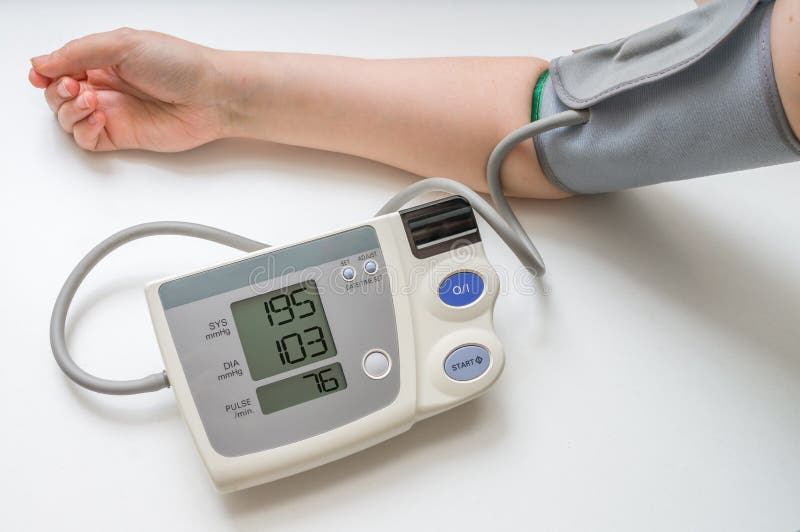
High blood pressure, also known as hypertension, is a common health condition that occurs when the force of blood pushing against the walls of the arteries remains too high. It can develop without noticeable symptoms, which is why it is often called a “silent” condition. If left unmanaged, high blood pressure can gradually damage blood vessels and place extra strain on the heart.
Understanding what causes high blood pressure and how it affects the heart can help you recognise potential risks and take steps to protect your cardiovascular health.
What Causes High Blood Pressure?
There is not always one specific cause of high blood pressure. In many cases, several factors contribute to its development. This type is known as primary or essential hypertension.
Common risk factors include:
Family History
Having close family members with high blood pressure can increase your risk. Genetics may influence how your body regulates blood pressure and how your cardiovascular system responds to certain lifestyle factors.
Unhealthy Diet
A diet high in sodium, saturated fats, added sugars and excess calories may increase the risk of hypertension. Eating a balanced diet with plenty of vegetables, fruits, whole grains and other nutrient-rich foods can support healthier blood pressure levels.
Lack of Physical Activity
Regular physical activity helps support healthy blood vessels and the cardiovascular system. Being physically inactive can contribute to weight gain and increase the risk of high blood pressure.
Being Overweight
Carrying excess weight can put additional strain on the heart and circulatory system. Maintaining a healthy weight can help reduce some of the pressure placed on the cardiovascular system.
Stress
Long-term stress may contribute to higher blood pressure, particularly when it is associated with unhealthy habits such as poor diet, physical inactivity, smoking or excessive alcohol consumption.
Smoking and Excessive Alcohol
Tobacco use can damage blood vessels and temporarily raise blood pressure. Drinking too much alcohol can also increase blood pressure and contribute to cardiovascular problems.
Other Medical Conditions
Certain health conditions, including chronic kidney disease and sleep apnea, can increase the risk of high blood pressure. Some people develop secondary hypertension because of an underlying medical condition or medication.
How Does High Blood Pressure Affect the Heart?
When blood pressure stays high for a long time, the heart has to work harder to push blood through the arteries. Over time, this additional workload can cause structural and functional changes in the heart.
It Can Make the Heart Work Harder
Persistent high blood pressure increases the workload on the heart. The heart muscle may become thicker or enlarged as it works harder to pump blood throughout the body. Eventually, this can make it more difficult for the heart to pump efficiently.
It Can Increase the Risk of Heart Failure
Long-term hypertension is an important risk factor for heart failure. A heart affected by prolonged high blood pressure may become stiff or enlarged, reducing its ability to pump blood effectively.
It Can Damage Arteries
High blood pressure can damage the inner walls of arteries over time. These damaged areas can contribute to the buildup of cholesterol and other substances, leading to plaque formation. This process, known as atherosclerosis, can narrow the arteries and restrict blood flow.
It Can Increase Heart Attack Risk
When arteries become narrowed or blocked, blood flow to the heart muscle can be reduced or interrupted. This can increase the risk of coronary artery disease and heart attack.
It May Increase the Risk of Irregular Heart Rhythms
High blood pressure is also associated with an increased risk of cardiovascular conditions, including atrial fibrillation. The 2025 American Heart Association guideline identifies hypertension as a major modifiable risk factor for cardiovascular disease and several related conditions.
Can High Blood Pressure Be Managed?
Yes. High blood pressure can often be managed through a combination of lifestyle changes, regular monitoring and medication when recommended by a healthcare professional.
Helpful steps may include eating a heart-healthy diet, staying physically active, maintaining a healthy weight, limiting alcohol, avoiding tobacco, managing stress and taking prescribed medications as directed. Regular blood pressure checks are also important because hypertension often has no obvious symptoms.
When Should You See a Cardiologist?
If you have consistently high blood pressure, a family history of heart disease, chest discomfort, shortness of breath, palpitations or other cardiovascular concerns, discussing your symptoms and risk factors with a healthcare professional may be appropriate.
A cardiologist can evaluate your cardiovascular health, identify potential risk factors and recommend appropriate testing or treatment based on your individual needs.
Get Heart Care From Qualified Cardiologists in the Bronx
If you are concerned about high blood pressure or your overall heart health, seeking care from experienced specialists can help you better understand your cardiovascular risks. Qualified cardiologists in Bronx, NY can provide specialised evaluation and personalised care for a range of heart and cardiovascular conditions. Speaking with a cardiology professional can help you take informed steps toward managing risk factors and protecting your heart health.
Conclusion
High blood pressure can affect more than just the numbers on a blood pressure monitor. When it remains uncontrolled, it can place additional strain on the heart, damage arteries and increase the risk of serious cardiovascular conditions such as heart failure and heart attack.
Because hypertension often develops without noticeable symptoms, regular blood pressure checks are important. If you have high blood pressure or concerns about your heart health, talk with a qualified healthcare professional about appropriate monitoring and treatment.
FAQs
- Can high blood pressure damage the heart?
Yes. Long-term high blood pressure can make the heart work harder and may cause the heart muscle to become enlarged or stiff, increasing the risk of heart failure.
- What are common causes of high blood pressure?
Common risk factors include family history, age, physical inactivity, an unhealthy diet, excess weight, smoking, excessive alcohol use, stress and certain medical conditions.
- Does high blood pressure always cause symptoms?
No. High blood pressure often has no obvious symptoms, so regular blood pressure measurements are important.
- Can lifestyle changes lower high blood pressure?
Healthy lifestyle changes, such as regular physical activity, a balanced diet, maintaining a healthy weight, limiting alcohol and avoiding tobacco, can help manage blood pressure. Some people may also need medication.
- When should I see a cardiologist?
You may consider discussing your cardiovascular health with a cardiologist if you have persistent high blood pressure, heart-related symptoms or other significant cardiovascular risk factors.