
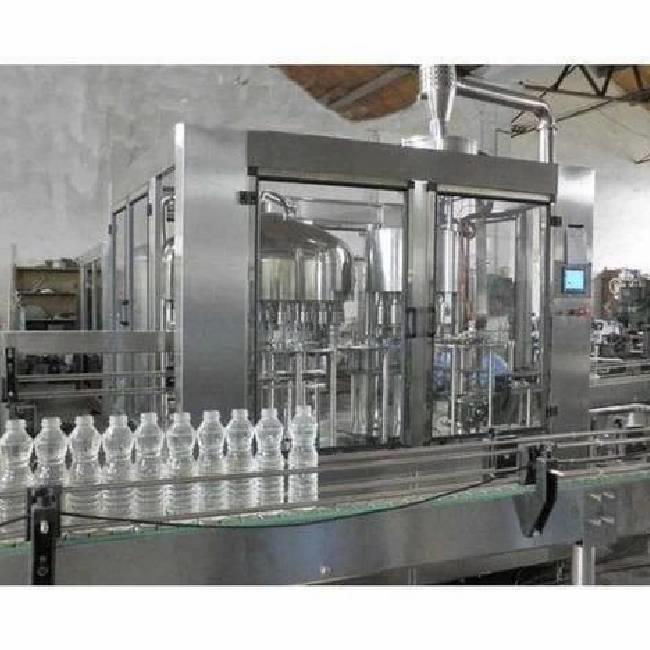
Starting or expanding a carbonated beverage business requires the right production equipment and a well-planned setup. A soda plant usually involves several stages, including water treatment, syrup preparation, mixing, carbonation, filling, capping, and packaging.
Because these processes depend on different types of equipment, choosing the right Soda Plant Supplier in India is an important business decision. The supplier should understand your production requirements and provide equipment that is suitable for your application.
Before making a decision, there are several factors worth considering.
Understand Your Soda Production Requirements
Before approaching a supplier, clearly define what you need from the plant.
Consider factors such as:
- Expected production volume
- Required bottles per hour
- Bottle sizes
- Type of packaging
- Number of products or flavours
- Available installation space
- Expected operating hours
- Future production expansion
Having clear requirements can help the supplier recommend a suitable plant configuration.
Check the Supplier’s Technical Experience
A soda plant is more than a single machine. It can include water-treatment equipment, beverage-processing equipment, carbonation systems, filling machines, capping systems, and packaging equipment.
A supplier with relevant technical experience can help coordinate these different stages into a practical production setup.
Look for a supplier that understands both beverage production and the importance of water quality.
Water Quality Should Be a Priority
Water is one of the main ingredients in carbonated beverages, so its quality deserves careful attention.
Depending on the raw-water source, treatment may involve processes such as:
- Sand filtration
- Activated carbon filtration
- Water softening
- Reverse Osmosis
- UV treatment
- Ozonation
The actual treatment process should be determined by raw-water testing and the requirements of the final product.
A good supplier should understand the connection between water treatment and beverage production.
Ask About the Complete Production Process
Before selecting a supplier, understand what equipment is included in the proposed soda plant.
A typical carbonated beverage production process may involve the following stages:
1. Water Treatment
Raw water is treated to achieve the required quality for beverage production.
2. Syrup Preparation
Ingredients are mixed according to the product formulation.
3. Water and Syrup Mixing
Treated water and prepared syrup are combined in the required proportions.
4. Carbonation
Carbon dioxide is added to the beverage to create the desired carbonation level.
5. Bottle Preparation
Depending on the packaging system, bottles may be cleaned, rinsed, or prepared before filling.
6. Filling
The carbonated beverage is filled into bottles or other suitable containers.
7. Capping
Filled containers are sealed using an appropriate capping system.
8. Labelling and Packaging
Bottles are labelled and packed for storage and distribution.
Understanding the complete process makes it easier to identify what equipment you actually need.
Consider Plant Capacity
Capacity is one of the most important factors when choosing a soda plant.
A plant that is too small may not meet your production requirements, while an unnecessarily large system can increase the initial investment and operating requirements.
Discuss your expected production volume with the supplier.
Factors to consider include:
- Bottles per hour
- Bottle size
- Production shifts
- Daily production target
- Seasonal demand
- Future expansion
Choosing capacity based on realistic production requirements can help create a more practical setup.
Check Bottle and Packaging Compatibility
Different businesses may use different bottle sizes, shapes, and packaging formats.
Before finalizing a plant, confirm whether the equipment can work with your intended packaging.
Discuss:
- Bottle sizes
- Bottle shapes
- PET or other packaging formats
- Cap types
- Labelling requirements
- Packaging method
This can help avoid compatibility issues after installation.
Evaluate Machine Construction and Component Quality
Equipment quality can influence plant reliability and maintenance requirements.
Ask about the materials used for important components and product-contact areas.
Depending on the machine, you may need to evaluate:
- Stainless steel construction
- Pumps
- Valves
- Piping
- Filling components
- Carbonation equipment
- Control panels
- Sensors
- Motors
Components should be selected according to the application and operating conditions.
Consider Automation
Automation can make production easier to monitor and operate.
Depending on the size of the plant, automation may include:
- Automatic filling
- Automatic capping
- Level controls
- Digital monitoring
- Programmable controls
- Automatic alarms
- Production monitoring
The appropriate level of automation depends on production volume, available manpower, budget, and operational requirements.
There is no need to choose the highest level of automation if it does not provide practical value for your business.
Ask About Installation and Commissioning
Proper installation is important for getting a soda plant ready for regular production.
Before selecting a supplier, ask whether they provide support for:
- Equipment installation
- Piping connections
- Electrical connections
- Machine testing
- Trial runs
- Commissioning
- Operator training
A supplier that provides installation and commissioning support can make the setup process easier.
Don’t Ignore After-Sales Service
Even good equipment requires maintenance.
Over time, pumps, valves, filling components, filters, sensors, and other parts may require inspection or replacement.
Ask the Soda Plant Supplier in India about:
- Spare-parts availability
- Technical support
- Maintenance services
- Troubleshooting assistance
- Operator training
- Service visits
Reliable technical support can be especially useful when the plant is running continuously.
Compare Total Cost, Not Just Purchase Price
Price is naturally an important consideration, but it should not be the only deciding factor.
When comparing suppliers, consider the total cost of owning and operating the plant.
This can include:
- Equipment cost
- Installation cost
- Electricity consumption
- Water-treatment requirements
- Maintenance
- Spare parts
- Consumables
- Operator requirements
- Future upgrades
A slightly higher initial investment may sometimes provide better long-term value if the system is better suited to your requirements.
Check Customization Options
Every beverage business has different requirements.
A good supplier should be able to discuss possible customization based on:
- Production capacity
- Bottle sizes
- Plant layout
- Water quality
- Beverage type
- Automation level
- Available space
- Future expansion
A customized approach can help ensure that the plant fits the actual production environment.
Look at Hygiene and Ease of Cleaning
Hygiene is an important consideration in beverage production.
The equipment should be designed with appropriate attention to cleaning, sanitation, and product-contact surfaces.
Ask the supplier about:
- Cleaning procedures
- Product-contact materials
- Accessibility for maintenance
- Cleaning schedules
- Sanitation requirements
Equipment that is easier to clean and maintain can make routine operations more manageable.
Common Mistakes to Avoid
Businesses can avoid several common mistakes by planning carefully.
Choosing Only Based on Price
The cheapest plant may not always be the most suitable for your production requirements.
Ignoring Water Quality
Poor raw-water quality can affect the treatment process and final beverage production.
Selecting Incorrect Capacity
The plant should match realistic production requirements rather than an assumed production target.
Not Checking Packaging Compatibility
Make sure the filling and capping equipment is suitable for your bottle sizes and packaging formats.
Overlooking After-Sales Support
Technical assistance and spare parts can become important after the plant is installed.
Not Planning for Future Growth
If you expect production to increase, discuss possible expansion options with the supplier from the beginning.
Why the Right Supplier Matters
The right supplier can help bring together water treatment, beverage preparation, carbonation, filling, capping, and packaging into a coordinated production system.
Instead of looking only at individual machines, consider the complete plant and how each stage will work together.
A supplier who understands your production goals can help you plan a system that is practical to operate, maintain, and expand.
Soda Plant Solutions from Spring Ion Exchange
Spring Ion Exchange provides water and wastewater treatment solutions for commercial and industrial requirements. Its expertise in water-treatment systems can be relevant to beverage projects where proper water treatment is an important part of the production process.
When choosing a Soda Plant Supplier in India, businesses should evaluate their raw-water quality, production capacity, equipment requirements, plant layout, automation, installation support, maintenance, and after-sales service.
You can learn more about its water-treatment solutions at Spring Ion Exchange.
Final Thoughts
Choosing the right Soda Plant Supplier in India requires careful consideration of more than just the equipment price. Water quality, production capacity, machine construction, packaging compatibility, automation, hygiene, installation, and after-sales support should all be evaluated.
Start by clearly defining your production requirements and testing your raw water. Then compare suppliers based on their technical capabilities and ability to provide a suitable overall solution.
With proper planning and the right equipment, a soda production setup can be easier to operate, maintain, and adapt as your business grows.