
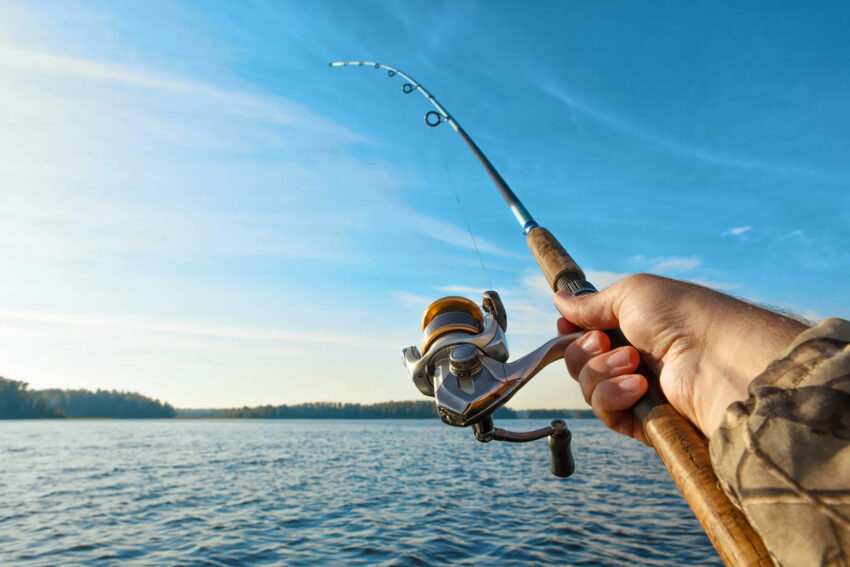
Could the same fishing setup work perfectly one day and struggle the next? Local conditions can make a big difference. Water temperature, tide, wind, depth, current, and the type of fish in the area can all affect what works best. Choosing the right Montauk fishing tackle and bait means paying attention to what is happening on the water instead of relying on one setup every time.
Why Do Local Conditions Matter So Much?
Fishing is not a one-size-fits-all activity. A bait that works well in calm, clear water may not get the same results when the water turns rough or cloudy. Likewise, a light setup may be useful in one location but too weak when stronger current or larger fish are involved.
Before heading out, take a quick look at the conditions. That simple habit can help you make better choices and avoid carrying gear that does not match the day’s fishing.
- Water Temperature Can Affect Fish Activity
Fish respond to water temperature. When water is cooler, some species may become less active and move more slowly. In warmer conditions, fish may feed more actively during certain parts of the day.
- Wind Can Change Your Tackle Choice
Wind can make casting harder and create extra movement on the water. Strong wind may call for heavier tackle that helps you maintain control.
A slightly heavier sinker or lure can help you reach the desired depth when wind and waves are pushing your line around. At the same time, avoid using more weight than necessary. The goal is to keep the presentation natural while staying in control.
- Tide Can Change Where Fish Feed
Tide movement can affect current, water depth, and the location of baitfish. As water moves through an area, predatory fish may gather where they can find food with less effort.
Pay attention to places where current meets rocks, channels, points, or other structure. Your bait may need to move naturally with the water instead of being worked against it.
- Water Clarity Can Change Bait Selection
Clear water often allows fish to inspect a lure or bait closely. In that situation, a natural-looking presentation may be useful.
Cloudy or stained water can call for something easier to notice. Brighter colors, stronger movement, or bait with more scent may help fish locate the offering.
- Depth Should Guide Your Setup
Fish may feed close to the surface, along the bottom, or somewhere between the two. Your tackle needs to help you place the bait where the fish are actually feeding.
For deeper water, you may need additional weight or a different rig. In shallow areas, a lighter setup can provide a more natural presentation.
- Local Bait Can Tell You What Fish Want
One of the simplest ways to choose bait is to look at what is already in the water. If local fish are feeding on small baitfish, crabs, worms, or other natural prey, matching that food source can make sense.
Look for bait activity near the surface, around rocks, and along current lines. Birds, surface movement, and small fish jumping can sometimes provide helpful clues.
- Match Your Gear to the Target Species
Your target fish should always influence your tackle. Larger, stronger fish may require heavier line, stronger hooks, and a rod with enough power to handle the fight.
Smaller species can often be targeted with lighter tackle. Lighter gear can also make the experience more enjoyable because it allows a more sensitive and natural presentation.
- Keep More Than One Option Ready
Fishing conditions can change quickly. Wind may increase, the tide may shift, or fish may stop responding to your first bait.
That is why it helps to carry a few different choices. Bring different bait styles, hook sizes, sinkers, and lures when practical. You do not need to pack your entire tackle box. A small selection of useful alternatives can be enough.
If you are unsure what is working locally, a Montauk fishing bait store can be a useful place to learn about current bait availability and common local choices.
- Adjust Instead of Giving Up
A slow bite does not always mean the fish are gone. Sometimes the problem is simply the presentation.
Try changing the bait, moving to a different depth, adjusting the weight, or changing your retrieve. Small changes can sometimes make a noticeable difference.
Let the Water Guide Your Choices
Local fishing conditions can absolutely change which tackle and bait work best. Water temperature, wind, tide, clarity, depth, current, and available food all play a part. That is why Montauk fishing tackle and bait should be selected with the day’s conditions in mind rather than following the same setup every trip. You do not need a complicated strategy. Start by observing the water, choose gear that matches your target fish, and carry a few backup options. Then adjust when conditions change.
Check the local conditions before your next trip and choose tackle and bait that match what the fish are likely feeding on.