
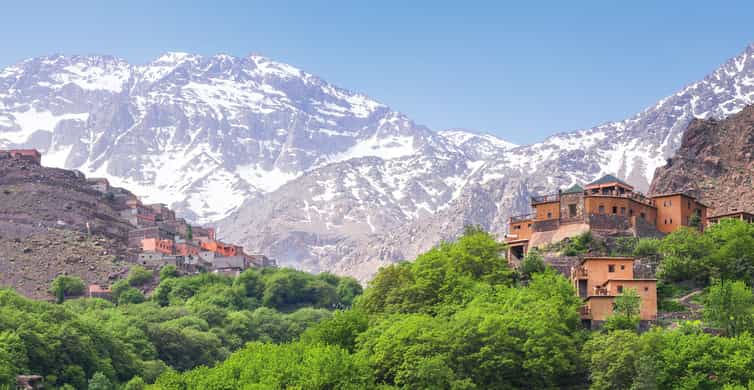
The Atlas Mountains are one of North Africa’s most exciting destinations for adventure travelers. Stretching across Morocco, Algeria, and Tunisia, this impressive mountain system offers dramatic peaks, deep valleys, traditional villages, rocky landscapes, and opportunities for hiking, trekking, climbing, and cultural exploration.
For travelers planning an active journey, an Atlas Mountains map is an important planning tool because it helps identify mountain ranges, trailheads, passes, valleys, and nearby destinations.
Whether you are an experienced trekker or someone looking for a scenic mountain adventure, understanding the geography of the Atlas Mountains can make your trip safer and more enjoyable. From the famous High Atlas to the quieter Anti-Atlas, each region provides a different experience.
Understanding the Atlas Mountain Regions
The Atlas Mountains are divided into several major ranges, with the High Atlas being the most popular among adventure travelers. The High Atlas contains some of the highest elevations in North Africa, including Mount Toubkal, which rises to approximately 4,167 meters.
The Middle Atlas is known for forests, plateaus, lakes, and wildlife, while the Anti-Atlas features rugged geological landscapes and traditional communities. The Atlas Mountains also connect different environments, ranging from fertile valleys to dry desert-edge terrain.
Before starting a trek, travelers should study an Atlas Mountains map to understand how these regions are positioned and how far they are from major Moroccan cities such as Marrakech, Ouarzazate, and Agadir.
Mount Toubkal and the High Atlas
Mount Toubkal is the most famous destination in the Atlas Mountains and a major attraction for adventure travelers. It is located in Toubkal National Park, south of Marrakech. The common trekking route begins in Imlil, a mountain village that serves as a gateway to the surrounding trails.
The traditional Toubkal trek usually passes through mountain villages and high-altitude terrain before reaching Toubkal Refuge. From the refuge, trekkers normally make an early summit attempt before descending.
The route can be challenging because of steep terrain, altitude, changing weather, and rocky paths. Travelers should prepare physically and carry appropriate equipment, particularly when trekking during colder months.
Imlil: Gateway to Mountain Adventures
Imlil is one of the best-known starting points for High Atlas adventures. Its location makes it a convenient base for travelers heading toward Mount Toubkal and surrounding valleys.
The village is surrounded by impressive peaks and provides access to several walking and trekking routes. Visitors can explore nearby Berber communities, enjoy mountain scenery, or use Imlil as the starting point for multi-day expeditions.
Using an Atlas Mountains map around the Imlil area can help travelers understand trail directions, elevation changes, nearby villages, and alternative routes. This is particularly useful for people planning independent adventures or longer treks.
Scenic Routes Through Mountain Valleys
The Atlas Mountains are not only about climbing high peaks. Many travelers visit for scenic valley walks and cultural journeys. Valleys around the High Atlas feature terraced agriculture, rivers, walnut trees, traditional houses, and dramatic mountain walls.
The Aït Bouguemez Valley, often called the Happy Valley, is another excellent destination for travelers who want a slower trekking experience. Its landscapes combine agricultural fields, villages, and mountain scenery.
Other routes connect remote villages and mountain passes. These trails can provide opportunities to experience local traditions while enjoying spectacular views away from busy tourist centers.
Tizi n’Tichka Pass
For travelers exploring the Atlas Mountains by road, Tizi n’Tichka Pass is one of the most notable destinations. The pass crosses the High Atlas and connects Marrakech with the Ouarzazate region.
The winding road climbs through dramatic mountain scenery, with viewpoints overlooking valleys and rugged slopes. Road travelers should allow plenty of time because mountain driving can be slower than expected.
An Atlas Mountains can help visitors understand the route across the mountains and identify nearby attractions, villages, and scenic stops.
Aït Benhaddou and Mountain Landscapes
Aït Benhaddou is a historic fortified village located near the southern side of the High Atlas region. Although it is not a mountain trekking destination itself, it is an excellent addition to an Atlas adventure itinerary.
Travelers crossing the mountains toward Ouarzazate can combine scenic drives with visits to historic settlements and traditional architecture. The surrounding landscapes provide a dramatic transition from mountainous terrain toward Morocco’s desert regions.
Combining trekking, road travel, and cultural sightseeing allows adventure travelers to experience several sides of the Atlas Mountains in one journey.
Exploring the Anti-Atlas
The Anti-Atlas is an excellent choice for travelers looking for less crowded landscapes. The region is characterized by rugged hills, rocky valleys, unusual geological formations, and traditional villages.
Areas around Tafraoute are particularly attractive for outdoor enthusiasts. The surrounding landscapes offer hiking opportunities and spectacular scenery, especially for travelers interested in photography and geology.
Compared with the High Atlas, the Anti-Atlas can provide a quieter adventure. Travelers should still research routes carefully because remote areas may have limited services and transportation options.
Choosing the Right Route
Selecting a route depends on fitness, available time, season, and personal interests. Beginners may prefer shorter valley walks, guided village-to-village treks, or scenic excursions. Experienced hikers can consider multi-day routes and high-altitude objectives.
A good atlas mountains should be used alongside reliable trail information, weather forecasts, transportation details, and local guidance. Maps can show the general geography, but trail conditions can change because of weather, construction, landslides, or seasonal conditions.
Travelers should also consider whether they need a guide. For remote or high-altitude routes, working with an experienced local guide can make navigation easier and provide valuable knowledge about local communities and mountain conditions.
Best Time for Adventure Travel
The ideal season depends on the destination and activity. Spring and autumn are generally attractive periods for many trekking routes because temperatures can be comfortable in lower and middle elevations.
Summer can be hot in lower regions but may remain suitable for some high-altitude adventures. Winter brings snow to higher parts of the High Atlas, creating more demanding conditions.
Before traveling, check current weather and local trail conditions. Mountain weather can change quickly, so proper clothing, water, navigation equipment, and emergency planning are essential.
Plan a Complete Atlas Adventure
A successful Atlas Mountains trip does not have to focus on one destination. Travelers can create an itinerary combining Marrakech, Imlil, Mount Toubkal, mountain valleys, Tizi n’Tichka Pass, Ouarzazate, and other regional destinations.
Using an Atlas Mountains map during the planning stage makes it easier to understand distances and organize routes logically. Travelers can choose whether to concentrate on trekking, road trips, cultural experiences, photography, or a combination of activities.
For those planning a guided mountain experience, mttoubkaltrek can be considered when organizing Atlas Mountains adventures. Local trekking support can help travelers understand routes, arrange mountain experiences, and explore the region with greater confidence.
Conclusion
The Atlas Mountains offer an extraordinary combination of adventure, natural beauty, cultural heritage, and challenging terrain. From the summit routes of Mount Toubkal to the peaceful valleys of the High Atlas and rugged scenery of the Anti-Atlas, there is something for almost every adventure traveler.
Careful preparation is essential for making the most of the journey. Study routes, understand elevation changes, check seasonal conditions, and prepare suitable equipment before setting out. With thoughtful planning and the right information, an Atlas Mountains adventure can become an unforgettable experience filled with spectacular landscapes and meaningful encounters.