
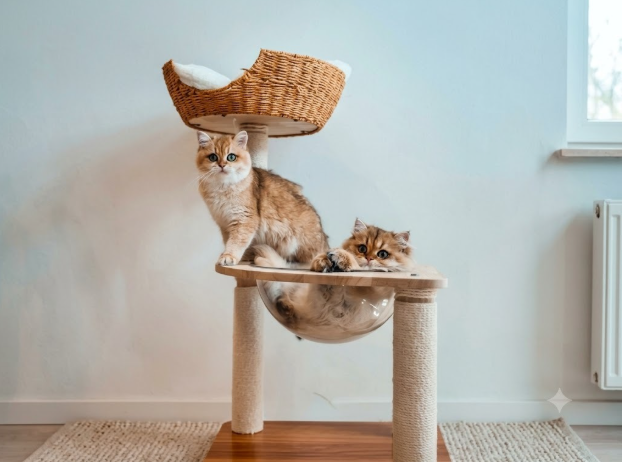
The British Shorthair is one of the most recognizable cat breeds, known for its dense coat, rounded features, sturdy build, and calm personality. For people considering a British shorthair cat, understanding the breed’s temperament, grooming needs, activity level, health considerations, and living requirements can help determine whether it is a good match for their household.
Although this breed is often described as easygoing, responsible ownership still requires attention to diet, enrichment, preventive veterinary care, and long-term health. Learning about these factors before bringing a cat home can make the transition smoother for both the owner and the animal.
What Is a British Shorthair Cat Like?
A British shorthair cat typically has a broad chest, strong body, round head, and thick plush coat. The breed is commonly associated with blue-grey colouring, but British Shorthairs can appear in many colours and patterns.
Their facial structure and dense fur give them a distinctive teddy-bear-like appearance.
Temperament is one of the breed’s strongest characteristics. British Shorthairs are generally calm, observant, and independent. They often enjoy being near people without constantly demanding attention.
Many are affectionate but not overly clingy, making them suitable for owners who appreciate companionship without needing a highly energetic or vocal cat.
Are British Shorthairs Good Indoor Cats?
Yes, a British shorthair cat can adapt well to indoor living when provided with enough enrichment.
Because they are not typically as hyperactive as some other breeds, they can be comfortable in apartments or homes with moderate space. However, indoor cats still need opportunities to climb, scratch, explore, and play.
Cat trees, scratching posts, interactive toys, window perches, puzzle feeders, and short daily play sessions can help prevent boredom.
Indoor living can also reduce exposure to traffic, infectious diseases, parasites, and other outdoor hazards.
How Much Grooming Do They Need?
The British Shorthair has a short but very dense coat.
Weekly brushing is often enough for routine maintenance, although more frequent grooming may be helpful during seasonal shedding periods. Brushing removes loose hair and can reduce the amount of fur swallowed during self-grooming.
A British shorthair cat should also have its nails checked regularly. Ear condition and dental health should be monitored as part of routine care.
Because the coat is short, professional grooming is not usually necessary for most healthy cats, but regular home care can keep the coat in better condition.
What Should a British Shorthair Eat?
Nutrition should be based on age, body condition, activity level, and veterinary guidance.
British Shorthairs can have a naturally solid build, but this should not be confused with excess body fat. Their relatively relaxed temperament may make some individuals prone to unwanted weight gain if calorie intake exceeds activity levels.
Measured meals and portion control can therefore be useful.
A British shorthair cat should receive a nutritionally complete diet appropriate for its life stage. Fresh water should always be available, and treats should remain a relatively small part of daily calorie intake.
How Active Are British Shorthairs?
British Shorthairs are generally moderate in their activity level.
They may enjoy short bursts of play but are not usually known for constant climbing or high-energy behaviour. Interactive toys that encourage chasing, pouncing, and problem-solving can help maintain both physical and mental stimulation.
Owners should avoid assuming that a calm cat does not need exercise.
Regular play can help manage weight, support mobility, and provide enrichment. Even ten to fifteen minutes of structured activity several times a day can make a meaningful difference.
Are British Shorthairs Good With Families?
A well-socialized British shorthair cat can often adapt well to family life. Their calm nature may make them suitable for homes with respectful children, provided interactions are supervised and the cat has a quiet place to retreat when needed.
They may also live successfully with other cats or cat-friendly dogs when introductions are managed gradually.
British Shorthairs generally prefer gentle handling. Some may enjoy sitting beside their owners more than being carried for long periods, so family members should learn to respect the individual cat’s comfort level.
What Health Issues Should Owners Know About?
Like all pedigreed breeds, British Shorthairs can be predisposed to certain inherited conditions.
Potential concerns may include hypertrophic cardiomyopathy, a disease that affects the heart muscle, as well as other genetic or metabolic conditions depending on the bloodline.
Weight management is also important because excess body weight can place additional stress on joints and contribute to other health problems.
Regular veterinary examinations can help identify changes early. Owners should also ask breeders about health screening, pedigree history, vaccination, and veterinary records before acquiring a kitten.
What Should You Look for When Choosing a Kitten?
Anyone looking for a British shorthair in Singapore or elsewhere should focus on health, temperament, and responsible breeding practices rather than appearance alone.
A healthy kitten should appear alert, curious, and appropriately socialized. Eyes and nose should look clear, and the coat should appear clean and well maintained.
Prospective owners should ask about vaccinations, deworming, veterinary checks, microchipping where applicable, and any genetic screening performed on the parents.
It is also important to understand the kitten’s early socialization environment because positive early experiences can influence behaviour later in life.
How Long Do British Shorthairs Live?
With appropriate care, many British Shorthairs can live well into their teens.
Longevity depends on genetics, diet, body condition, preventive healthcare, dental care, environment, and access to veterinary treatment.
Keeping cats indoors, maintaining a healthy weight, providing enrichment, and attending routine veterinary appointments can all contribute to long-term well-being.
Because this breed can live for many years, potential owners should view adopting or purchasing one as a long-term commitment.
Conclusion
British Shorthairs are valued for their calm temperament, distinctive appearance, moderate activity level, and ability to adapt well to indoor living. Prospective owners should still consider grooming, weight management, enrichment, health screening, and veterinary care before deciding that the breed is right for them. People researching reputable sources such as Cat Connoisseur should compare health practices, kitten socialization, veterinary documentation, and breeder transparency rather than choosing solely by coat colour or appearance. For owners prepared to provide consistent care and companionship, a British shorthair cat can become a relaxed and affectionate long-term member of the household.