
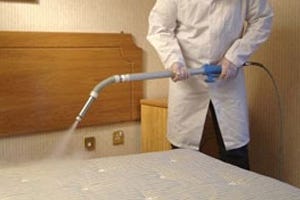
Discovering unexplained bites, tiny dark stains, or unusual insects around a bed can leave homeowners wondering whether they have a bed bug problem. Because these pests are small and can hide in narrow spaces, simply looking at the mattress may not provide a reliable answer. A thorough Bed Bug Inspection in Jacksonville FL can help identify physical evidence, locate potential hiding areas, and determine whether further pest-control action may be appropriate.
Bed bugs can hide in mattress seams, box springs, bed frames, furniture, cracks, crevices, and other protected locations. The University of Florida’s IFAS Extension specifically recommends looking for live bugs, nymphs, eggs, excrement, and blood spotting during an inspection.
For Jacksonville homeowners, understanding how inspection works, what signs to look for, and what to do before calling a pest professional can make the process much easier.
What Is a Bed Bug Inspection?
A bed bug inspection is a systematic examination of a property for evidence of bed bug activity. The objective isn’t simply to find a live insect. An experienced inspector looks for multiple indicators that can help determine whether bed bugs are present.
A typical inspection may examine:
- Mattresses and mattress seams
- Box springs
- Bed frames
- Headboards
- Nightstands and dressers
- Upholstered furniture
- Baseboards
- Cracks and crevices
- Closets
- Areas surrounding beds and other resting locations
The University of Florida notes that bed bug evidence can occur in mattresses, furniture, flooring, walls, ceilings, behind baseboards, and other concealed spaces.
This is why a professional bed bug inspection should involve more than simply lifting the sheets and checking the top of a mattress.
Why Is Bed Bug Inspection Important in Jacksonville?
One of the biggest challenges with bed bugs is that they can remain hidden while an infestation develops.
A homeowner may experience bites for several days or weeks without seeing a live insect. At the same time, bites alone don’t prove that bed bugs are responsible. Other insects and skin conditions can produce similar reactions.
A professional inspection can help answer a more useful question:
Is there physical evidence of bed bug activity in the property?
That information can help homeowners determine whether they need additional pest-control services.
Florida’s Department of Health provides resources for bed bug inspection, monitoring, prevention, and control, emphasizing the importance of recognizing and managing these pests appropriately.
What Are the Common Signs of Bed Bugs?
Knowing the warning signs can help homeowners decide when to investigate further.
1. Live Bed Bugs
Adult bed bugs are small and generally reddish-brown. Younger nymphs can be smaller and lighter, making them particularly difficult to spot.
Finding a live bed bug can provide strong evidence, but homeowners shouldn’t assume that the absence of visible insects means there is no infestation.
2. Bed Bug Eggs
Bed bug eggs are extremely small and may be found in cracks, seams, or other protected locations.
3. Shed Skins
As bed bugs develop, they shed their outer skins. These discarded skins can sometimes be found near areas where the insects hide.
4. Dark Fecal Spots
Small dark marks can appear on bedding, mattresses, furniture, or nearby surfaces.
5. Blood Stains
Small blood spots or smears may occasionally appear on sheets or mattresses.
6. Unexplained Bites
Some people experience itchy bites, but skin reactions vary considerably. Bites should therefore be considered a reason to investigate rather than definitive proof of bed bugs.
Where Do Bed Bugs Hide?
Bed bugs are particularly difficult to manage because they can occupy small, protected spaces.
During a professional bed bug inspection, attention may be given to areas such as:
- Mattress piping and seams
- Box spring edges
- Bed-frame joints
- Headboard cracks
- Nightstands
- Dressers
- Couches
- Chairs
- Baseboards
- Cracks around walls and floors
- Closets
- Upholstered furniture
Florida guidance also identifies mattresses, box springs, bed frames, headboards, nightstands, dressers, couches, chairs, closets, and surrounding structural areas as potential harborage locations.
This explains why finding no insects on top of the mattress doesn’t necessarily eliminate the possibility of an infestation.
How Does a Professional Bed Bug Inspection Work?
Although inspection procedures vary between providers, a systematic process usually makes it easier to identify evidence.
Step 1: Discuss the Symptoms
The inspector may ask what homeowners have noticed, when the problem started, and where suspicious signs have appeared.
This information can help establish which rooms and areas deserve closer attention.
Step 2: Inspect Sleeping Areas
The mattress, box spring, bed frame, headboard, and surrounding furniture may be examined carefully.
Step 3: Examine Nearby Areas
The inspection can expand beyond the bed to baseboards, cracks, furniture, closets, and other nearby areas.
Step 4: Search for Physical Evidence
The inspector looks for live insects, eggs, shed skins, fecal spotting, blood stains, and other evidence.
Step 5: Explain the Findings
After inspection, homeowners should receive an explanation of what was found and what the recommended next steps may be.
A thorough inspection provides information that can help homeowners avoid unnecessary treatments or inappropriate DIY solutions.
Can Homeowners Inspect for Bed Bugs Themselves?
Homeowners can certainly perform a basic visual check, especially when they know what signs to look for.
However, there are limitations.
Bed bugs are small, and their hiding behavior makes low-level infestations difficult to identify. An inexperienced homeowner may also mistake another insect for a bed bug.
The University of Florida notes that professional canine detection can be useful in situations where bed bugs are suspected but visual inspection does not reveal live bugs or viable eggs. It also notes that canine detection is a regulated pest-control activity in Florida and requires appropriate licensing and training.
For that reason, professional inspection can be valuable when evidence is unclear or the suspected infestation involves multiple rooms.
What Should You Do Before a Bed Bug Inspection?
Good preparation can help an inspector access the areas that need examination.
Keep Suspicious Areas Accessible
Avoid blocking beds, furniture, baseboards, or other areas where inspection may be necessary.
Don’t Move Potentially Infested Items
Moving mattresses, clothing, furniture, or bedding between rooms can potentially spread bed bugs.
Don’t Immediately Discard Furniture
Throwing away a mattress or bed frame doesn’t necessarily eliminate bed bugs elsewhere in the property.
Record What You’ve Observed
Note where you saw insects, stains, bites, or other suspicious signs. Photos can also be useful if they clearly show the evidence.
Avoid Unplanned Chemical Treatments
Applying random pesticides before identifying the pest may complicate the situation and doesn’t guarantee that hidden insects will be eliminated.
Why Is Early Detection Useful?
When dealing with bed bugs, information can be valuable.
Florida Department of Health materials emphasize that smaller populations are generally easier to control than larger infestations.
This doesn’t mean homeowners should panic when they notice one suspicious sign. Instead, it means that homeowners shouldn’t ignore repeated evidence.
An early Expert bed bug inspection in Jacksonville FL can help determine whether there is a genuine problem before homeowners make larger decisions about treatment or replacing belongings.
Can Bed Bugs Spread From One Room to Another?
Yes. Bed bugs can potentially move through a property, particularly when infested belongings are transported from one room to another.
For example, if a homeowner discovers suspicious insects around one bedroom and then moves the mattress or bedding into another room, the movement could potentially complicate containment.
A more sensible approach is to identify the problem first and follow appropriate professional recommendations for handling potentially infested items.
Bed Bug Inspection vs. Bed Bug Treatment
These two services are related but serve different purposes.
Inspection determines whether evidence of bed bugs exists and helps identify potential areas of activity.
Treatment is the process used to control an identified infestation.
This distinction is important because an inspection itself isn’t intended to eliminate bed bugs.
Depending on the findings, a pest-control professional may recommend additional steps, monitoring, or treatment.
Florida’s Department of Health recommends integrated pest-management resources for addressing bed bug concerns rather than relying on a single approach.
What Should You Look for in a Jacksonville Bed Bug Inspection Service?
Homeowners comparing bed bug inspection services in Jacksonville FL should look at more than the advertised price.
Consider asking:
- What areas are included in the inspection?
- Does the company inspect both bedrooms and surrounding areas?
- How does the technician identify bed bugs?
- Will the company explain its findings?
- Is treatment available if evidence is discovered?
- What preparation is required?
- Is follow-up inspection available?
- Are canine detection services used when appropriate?
- Is the company properly licensed for the services it performs?
These questions can help homeowners understand what they’re actually receiving.
Jacksonville has a range of pest-control providers, so homeowners can compare service scope and inspection methods rather than choosing solely based on a promotional price.
How Can Homeowners Reduce Bed Bug Risks?
No prevention method guarantees that a property will never encounter bed bugs. However, practical habits can reduce opportunities for an infestation to enter or spread.
Inspect Used Furniture
Carefully examine secondhand mattresses, furniture, and upholstered items before bringing them inside.
Check Luggage After Travel
Inspect luggage and belongings after returning from trips, particularly when staying in unfamiliar accommodations.
Avoid Bringing Discarded Furniture Indoors
Items left outside or discarded may carry unwanted pests.
Reduce Excess Clutter
Keeping sleeping and resting areas reasonably accessible makes inspection easier.
Investigate Suspicious Evidence
Don’t ignore recurring signs around beds or upholstered furniture.
Avoid Moving Suspected Items
If bed bugs are suspected, avoid transferring belongings from one room to another until you understand the situation.
Is a Professional Bed Bug Inspection Worth Considering?
For homeowners who repeatedly notice suspicious signs, professional inspection can provide useful information.
Instead of guessing whether an insect is a bed bug or repeatedly applying household products, homeowners can have the property examined systematically.
The goal is not simply to find a bug. The goal is to understand whether bed bug evidence exists, where activity may be located, and what should happen next.
That information can be particularly useful when homeowners are dealing with an uncertain or developing pest problem.
Common Mistakes Homeowners Make
Mistake 1: Assuming Every Bite Is a Bed Bug Bite
Skin reactions alone aren’t enough to identify bed bugs.
Mistake 2: Checking Only the Mattress
Bed bugs can hide in furniture, baseboards, cracks, and other surrounding locations.
Mistake 3: Throwing Away Furniture Immediately
Discarding one item doesn’t necessarily address activity elsewhere.
Mistake 4: Moving Belongings Around
Moving potentially infested items can make containment more difficult.
Mistake 5: Waiting Too Long
Repeated evidence deserves attention. Early inspection can provide useful information before a suspected problem becomes more complicated.
Final Thoughts
Bed bugs are small, persistent pests that can hide in places homeowners don’t normally inspect. Their presence can be difficult to confirm based solely on bites or a quick look at the mattress.
For homeowners searching for Bed Bug Inspection in Jacksonville FL, a systematic professional inspection can help identify physical evidence, locate potential hiding areas, and provide information about appropriate next steps.
The most practical approach is to stay observant, avoid moving potentially infested belongings, document suspicious evidence, and seek qualified pest-control assistance when necessary. Whether the inspection confirms bed bugs or finds another explanation, having accurate information gives homeowners a better foundation for deciding what to do next.
Frequently Asked Questions
What is included in a bed bug inspection?
A professional inspection may include mattresses, box springs, bed frames, headboards, furniture, baseboards, cracks, closets, and other areas where bed bugs may hide.
How do I know if I need a bed bug inspection?
Repeated unexplained bites, live insects, dark fecal spots, blood spotting, shed skins, or suspected eggs can justify further investigation. Bites alone, however, don’t confirm an infestation.
Where should I look for bed bugs?
Start around sleeping and resting areas, particularly mattress seams, box springs, bed frames, headboards, nearby furniture, and baseboards. Broader inspection may be necessary if evidence is found.
Can bed bugs hide in furniture?
Yes. Bed bugs can hide in cracks, seams, joints, and other protected spaces in upholstered and wooden furniture.
Should I throw away my mattress if I find bed bugs?
Not necessarily. Replacing a mattress without addressing other potential hiding locations may not solve the underlying problem. Professional inspection can help determine the extent of the issue.
Can I inspect my home for bed bugs myself?
You can perform a basic visual inspection, but small infestations can be difficult to identify. Professional inspection may be appropriate when signs are unclear.
Can bed bugs spread to other rooms?
They can potentially spread when they move or when infested belongings are transferred between rooms. Avoid moving suspected items until you have an appropriate plan.
Does a bed bug inspection remove the infestation?
No. Inspection identifies evidence and potential activity. Bed bug treatment is a separate process.
Are bed bugs caused by poor housekeeping?
No. Bed bugs can enter homes through luggage, clothing, furniture, and other belongings. Their presence shouldn’t automatically be attributed to cleanliness.
How should I prepare for a bed bug inspection?
Keep beds, furniture, baseboards, and suspected areas accessible. Avoid moving potentially infested belongings between rooms and document suspicious evidence when possible.
Blog written by: Rank Business Listings