

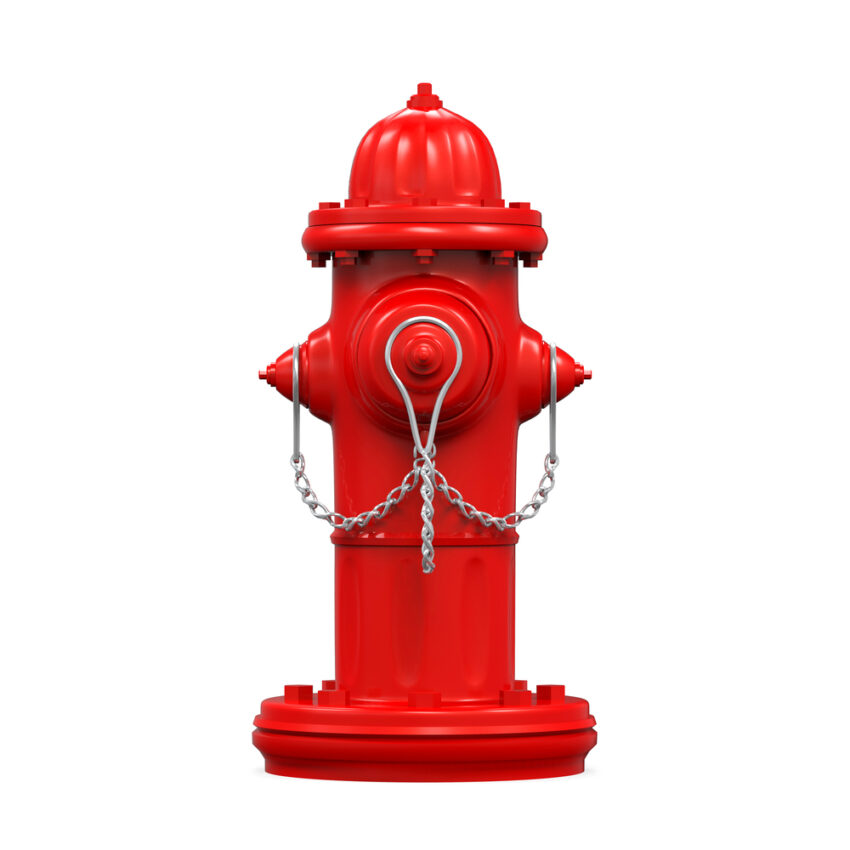
A fire in a large warehouse can develop faster than people expect. Once the alarm is raised and occupants begin leaving, firefighters may need a dependable source of water to tackle the flames. At that moment, having an installed Fire Hydrant System is only part of the solution. The real question is whether the equipment can deliver the required water when the emergency begins.
Reliability comes from several factors working together. Water availability, pressure, pipework, valves, pumps, outlet access, equipment condition, and regular testing all influence performance. A system that looks complete during a routine walk-through may still have a hidden problem that becomes serious during an actual fire.
What Does a Hydrant Network Need to Deliver?
The basic purpose of a hydrant network is to provide water at designated firefighting points. Water travels through connected pipework toward outlets where hoses and nozzles can be attached for firefighting operations.
The arrangement varies between buildings because a warehouse, factory, commercial complex, and high-rise property can have very different fire risks. The required water supply and distribution method should be determined according to the building’s design and applicable fire safety requirements.
Several components may form part of the arrangement:
- Water storage or an approved water source
- Fire pumps where required
- Supply and distribution pipes
- Control valves
- Hydrant outlets
- Hoses and nozzles
- Pressure and flow monitoring equipment
Each component has a role. A weakness in one area can affect the usefulness of the complete installation.
Why Does Water Pressure Matter During Firefighting?
Having water available does not automatically mean that it will reach the required location with useful pressure. Pressure can change because of elevation, pipe friction, pump performance, pipe dimensions, and the number of outlets being used.
Hydraulic assessment is therefore an important part of planning. Firefighting water demand needs to be considered alongside the characteristics of the building and the intended operation of the equipment.
Flow testing can also provide information about the available water supply. NFPA 291 includes procedures for evaluating hydrant flow and available water supply, showing why performance should be assessed rather than assumed.
How Can Fire Pumps Improve Water Delivery?
Some properties require pumps to provide the pressure and flow needed by their firefighting arrangements. The pump does not work independently. It depends on an adequate water source, suitable pipework, reliable controls, and proper operating conditions.
A pump may appear physically intact while still having an operational problem. Electrical faults, mechanical issues, incorrect valve positions, or inadequate maintenance can interfere with performance.
During routine checks, responsible personnel may need to review:
- Pump starting and stopping functions.
- Suction and discharge pressure
- Valve positions
- Water supply availability
- Electrical or fuel arrangements, where applicable
- Leakage or unusual mechanical conditions
The testing schedule should be based on the system design, applicable standards, and manufacturer’s instructions.
Why Should Hydrant Outlets Remain Accessible?
An emergency is not the time to discover that a hydrant has been blocked by stored materials or construction equipment. Firefighting connections need to remain identifiable and accessible so trained responders can reach them without unnecessary delay.
Building use can change over time. A clear area around an outlet may become crowded with vehicles, pallets, machinery, landscaping, or temporary storage.
A practical inspection should ask whether responders can:
- Identify the outlet quickly.
- Approach it without unnecessary obstacles.
- Connect the required equipment.
- Operate associated valves safely.
- Move hoses toward the fire without avoidable interference.
Accessibility should be reviewed whenever the surrounding layout changes.
How Does Equipment Selection Affect Fire Response?
Different fires require different extinguishing approaches. Water is useful for many ordinary combustible materials, but it is not a universal solution for every fire classification.
For example, a water extinguisher can be appropriate for certain Class A fires involving materials such as wood, paper, and textiles. It should not be assumed to be suitable for energized electrical equipment or fires involving substances where water can increase the hazard.
The same principle applies to larger firefighting arrangements. Equipment should be selected according to the hazards present rather than simply because water is readily available.
What Can Valves and Pipework Tell You About System Condition?
The visible outlet is only one part of the water delivery arrangement. Behind it are pipes, valves, joints, connections, and other components that must remain in suitable condition.
A valve that has been unintentionally closed can restrict water delivery. Corrosion can weaken components or contribute to leakage. Physical damage can affect pipework, while unauthorized modifications can change the way water moves through the network.
Regular checks can help identify signs such as:
- Corrosion or physical damage
- Water leakage
- Damaged connections
- Difficult-to-operate valves
- Missing or damaged caps
- Obstructed outlets
NFPA material addressing hydrant maintenance includes checks for leaks, cracks, outlet condition, operating components, and water-flow testing.
Why Is Regular Testing More Than a Routine Task?
Fire equipment can remain unused for months or years. That long period of inactivity can make it easy to assume everything is ready when there may be an unnoticed defect.
Testing provides an opportunity to check whether the installation behaves as intended. It can reveal changes in water flow, pressure problems, valve issues, pump concerns, or other conditions that may not be visible during a simple inspection.
NFPA 25 is the standard covering inspection, testing, and maintenance of water-based fire protection systems, with a 2026 edition currently available.
Records are also valuable. Keeping information about inspections, tests, defects, repairs, and corrective work helps responsible personnel understand how the equipment has been maintained over time.
Can Building Modifications Reduce Reliability?
A fire protection installation is designed around the conditions that existed when it was planned. Those conditions can change.
A warehouse may add taller storage racks. An office may be converted into a production area. A factory may introduce different materials. A building extension may increase the protected area.
Such changes can affect firefighting requirements, water demand, access, and equipment positioning. A review should be considered when major changes occur rather than assuming that the original arrangement remains suitable indefinitely.
This is particularly important where new storage, partitions, machinery, or construction work could obstruct access to firefighting equipment.
How Does a Reliable System Support Emergency Response?
A dependable water supply gives trained responders another tool for controlling a fire. It does not, however, replace alarms, evacuation procedures, emergency lighting, fire doors, or other protective measures.
The response should begin with early warning and safe evacuation. Firefighting equipment is then available for trained personnel and emergency responders according to the building’s emergency plan.
A sensible fire safety arrangement brings different functions together:
- Detection provides an early warning.
- Alarms notify occupants.
- Escape routes support evacuation.
- Portable equipment can address suitable small fires.
- Fixed water supplies support firefighting operations.
- Emergency responders coordinate fire control and rescue.
The strength of the overall plan depends on how well these different elements work together.
Frequently Asked Questions
What makes a hydrant installation reliable?
Reliable performance depends on an adequate water supply, suitable pressure and flow, functioning pumps where required, sound pipework, correctly positioned valves, accessible outlets, suitable equipment, and regular inspection and testing.
Why is water-flow testing important?
Flow testing helps determine whether the available water supply can provide useful performance at the tested location. It can also reveal changes in pressure or flow that may need further investigation.
Can a hydrant outlet be blocked temporarily?
It should not be treated as ordinary storage space. Obstructions can delay access during an emergency, so the area around firefighting connections should remain accessible according to the applicable requirements.
Do all buildings require the same arrangement?
No. Fire protection needs vary according to building use, size, height, fire hazards, occupancy, water supply, and applicable regulations.
Can maintenance problems affect water delivery?
Yes. Issues involving valves, pumps, pipework, outlets, or the water source can affect performance. This is why inspection and testing are important parts of maintaining readiness.
Can building renovations affect the existing installation?
Yes. Changes to occupancy, storage, partitions, building size, or fire hazards can alter the conditions for which the original design was developed. A qualified review may be appropriate after significant modifications.
Conclusion
Reliable firefighting water does not come from installing outlets and leaving them untouched. Performance depends on the entire arrangement, including the water source, pressure, pumps, pipework, valves, accessibility, and condition of associated equipment.
Regular inspection and testing provide a way to identify problems before an emergency exposes them. Building changes should also trigger a review when they could affect water demand, access, or fire risk.