

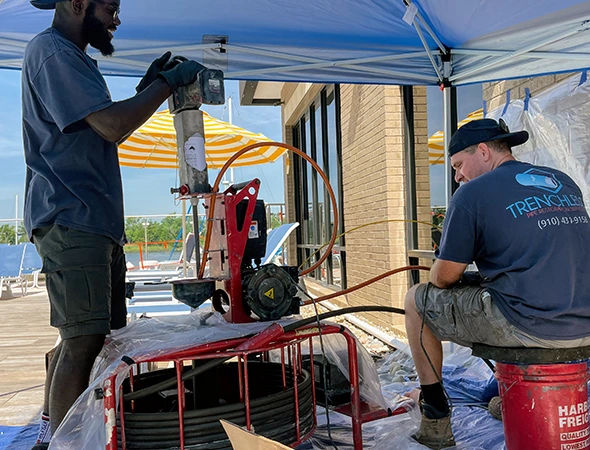
Most homeowners do not think about their sewer lines until something goes wrong. Because these pipes are located underground, problems can develop without being immediately visible. By the time a homeowner notices repeated drain issues, unpleasant odours or unusually wet areas in the yard, the underlying problem may already require professional attention.
Understanding how sewer systems work and recognising early warning signs can help homeowners respond more quickly when something seems unusual. Sewer problems can range from relatively simple blockages to cracked, damaged or deteriorated underground pipes.
Modern repair methods have also changed the way some sewer problems can be addressed. Traditional repairs may require excavation, while trenchless techniques can sometimes restore or replace underground pipes with significantly less digging.
For homeowners researching Sewer Repairs Services in Wilmington NC, understanding the available options can make it easier to have an informed conversation with a plumbing professional. Trenchless Pipe Restoration Services provides sewer repairs, trenchless pipe restoration, pipelining and general plumbing services for residential and commercial properties.
What Does a Sewer Line Do?
A sewer line carries wastewater away from a property and towards the appropriate municipal or private sewage system.
Inside a home, wastewater from toilets, sinks, showers, tubs and other fixtures enters the drainage system. It then travels through underground piping.
When the sewer line is functioning correctly, wastewater should flow away from the property without repeated backups, unusual noises or persistent drainage problems.
Because much of the system is underground, homeowners often do not know there is an issue until symptoms begin appearing inside the property or around the yard.
What Are the Early Signs of Sewer Problems?
One of the most common warning signs is repeated slow drainage.
A single slow drain may simply have a local blockage. However, when multiple sinks, showers or tubs begin draining slowly at the same time, the problem may be further down the drainage system.
Gurgling toilets can also indicate that air or water is not moving normally through the plumbing system.
Unpleasant sewage odours are another reason to investigate. Sewer gas should not normally be noticeable throughout a home or around areas where sewer lines are located.
Other potential warning signs include recurring backups, unusually wet patches of grass or changes in the ground around the sewer line.
The important point is to look at patterns rather than treating every individual plumbing problem as evidence of a damaged sewer line.
What Causes Sewer Line Damage?
Sewer lines can develop problems for several reasons.
Age is one factor. Older pipes may deteriorate over time depending on the material and environmental conditions.
Tree roots can also enter small cracks or joints in underground pipes. Once inside, roots may grow and restrict wastewater flow.
Shifting soil can place stress on underground piping. In some situations, this may contribute to cracks, offsets or other forms of damage.
Corrosion and material deterioration can also affect certain types of older pipes.
Blockages are another common issue. Grease, foreign objects and accumulated debris can restrict the flow of wastewater.
Identifying the actual cause is important because clearing a blockage may not resolve a damaged pipe.
Why Sewer Inspections Matter
When sewer problems repeatedly return, simply clearing the immediate blockage may not be enough.
A sewer camera inspection can allow a professional to examine the inside of the pipe and identify conditions that cannot be seen from the surface.
Depending on the situation, an inspection may reveal cracks, root intrusion, blockages, corrosion, collapsed sections or other abnormalities.
This information can help determine whether the appropriate response is cleaning, repair, relining or replacement.
A proper diagnosis is particularly valuable before major excavation because homeowners want to understand exactly where the problem is and what is causing it.
What Is Trenchless Pipe Repair?
Trenchless pipe repair is a method of addressing underground pipe problems without excavating a large trench across the property.
Depending on the condition of the existing pipe, techniques such as pipe lining may be considered.
With pipelining, a new liner is installed inside the existing pipe and hardened to create a renewed interior surface. The approach can address certain cracks and deterioration while reducing the need for extensive excavation.
Trenchless methods are not suitable for every situation. The condition, location, size and configuration of the existing pipe all need to be considered.
Why Do Homeowners Consider Trenchless Methods?
The biggest attraction of trenchless technology is reduced disruption.
Traditional sewer replacement can require digging through lawns, landscaping, driveways, patios or other surfaces above the pipe.
When a trenchless solution is appropriate, much of that excavation can potentially be avoided.
This can mean less disturbance to established landscaping and fewer surfaces that need to be repaired after the plumbing work.
Trenchless methods can also make some projects faster to complete, although the actual timeline depends on the pipe, property and repair method.
Is Trenchless Repair Always the Best Option?
No. There is no single repair method that is appropriate for every sewer problem.
Some pipes may be too severely damaged for lining or other trenchless techniques. Certain configurations may also make excavation more practical.
A professional needs to assess the existing system before recommending a solution.
The goal should not simply be to choose the newest technology. The goal is to select a repair or replacement method that appropriately addresses the actual condition of the sewer line.
What Is Pipelining?
Pipelining is one type of trenchless rehabilitation.
A liner is inserted into the existing pipe and positioned against the interior walls. The liner is then cured to create a new pipe-like interior within the existing structure.
This can seal certain cracks and restore the internal surface without requiring the entire old pipe to be removed.
Pipelining can be used for various pipe materials and conditions, but suitability depends on the individual project.
Trenchless Pipe Restoration Services offers pipelining services designed to restore damaged sewer and drain lines while reducing the need for major excavation.
When Is Traditional Excavation Necessary?
Although trenchless technology can reduce excavation in suitable cases, traditional excavation remains an important option.
If a pipe has completely collapsed, has severe structural damage or cannot accommodate a trenchless method, excavation and replacement may be necessary.
Access can also affect the decision. A professional needs to consider where the pipe is located and what structures or surfaces are above it.
The best repair method is therefore determined by the condition and circumstances of the property.
How Can Homeowners Reduce Sewer Problems?
Homeowners cannot prevent every sewer problem, but sensible maintenance can reduce unnecessary stress on the system.
Avoid flushing items that are not designed to break down in wastewater. Even products marketed as flushable may contribute to plumbing issues under certain conditions.
Grease and cooking fats should also not be poured down household drains because they can accumulate and contribute to blockages.
Trees should be considered when landscaping near underground utility lines. Mature roots can sometimes reach underground pipes, particularly where existing joints or cracks provide access.
Regular attention to recurring drainage problems is also important. Repeated symptoms should not simply be treated as isolated incidents.
What About General Plumbing Problems?
Not every drainage issue is caused by a sewer line.
A clogged sink, leaking faucet, malfunctioning toilet or damaged water supply pipe may require a completely different solution.
This is why a professional diagnosis is useful. A plumber can determine whether the problem is isolated to one fixture or connected to a larger part of the property’s plumbing system.
For homeowners looking for Plumbing Service in Wilmington NC, a broad plumbing service can address issues ranging from repairs and maintenance to installations and emergency plumbing needs.
Trenchless Pipe Restoration Services provides general plumbing services alongside its sewer and trenchless pipe solutions.
When Should You Call a Professional?
A homeowner should consider professional assistance when plumbing symptoms become persistent, recurring or unusually severe.
Repeated backups, multiple slow drains, sewage odours, unexplained wet areas or recurring blockages can all justify further investigation.
A professional assessment can help determine whether the issue is a simple blockage or evidence of a deeper sewer line problem.
Waiting until a sewer line completely fails can potentially make the situation more disruptive. Early investigation gives homeowners more information about the condition of their system and the options available.
How Can Professional Repairs Protect Your Property?
Sewer repairs are not only about restoring wastewater flow. They are also about addressing the underlying problem in a way that suits the property.
When excavation is required, landscaping, paving and other surfaces may need to be disturbed. When trenchless technology is appropriate, the amount of surface disruption may be significantly reduced.
This can be especially useful for properties with established landscaping, patios, driveways or other features located above underground pipe routes.
A professional can explain the expected impact of each repair option before work begins.
FAQs
What are the most common signs of sewer line problems?
Repeated drain backups, multiple slow drains, gurgling toilets, sewage odours and unexplained wet areas around the sewer line can indicate a potential sewer problem.
Can tree roots damage sewer pipes?
Yes. Tree roots can enter existing cracks or joints and grow inside underground pipes, potentially restricting wastewater flow and contributing to further damage.
Does trenchless sewer repair require digging?
Trenchless methods are designed to minimise excavation. Depending on the technique and property, some access points may still be necessary.
Is pipelining the same as replacing a sewer pipe?
Not exactly. Pipelining rehabilitates the existing pipe from the inside by installing a new liner. Traditional replacement removes and replaces the existing pipe.
How do I know whether I need sewer repair or regular plumbing service?
The symptoms can overlap, so professional diagnosis is useful. A local fixture problem may require routine plumbing work, while recurring problems affecting multiple fixtures may point towards the sewer line.
Can sewer problems be prevented?
Not all sewer problems can be prevented, but homeowners can reduce certain risks by avoiding inappropriate items in drains, disposing of grease properly and addressing recurring drainage problems promptly.
Conclusion
Sewer line problems can be difficult to identify because much of the system is hidden underground. Learning the warning signs can help homeowners recognise when a recurring plumbing issue may require more than a simple drain cleaning.
Modern trenchless methods can provide an alternative to extensive excavation in suitable situations. Techniques such as pipelining can restore certain damaged pipes while reducing disruption to landscaping and other surfaces. However, the appropriate solution depends on the condition and configuration of the existing system.
For homeowners researching Sewer Repairs Services in Wilmington NC, understanding the difference between blockage removal, repair, pipelining and replacement can make the decision-making process easier. Trenchless Pipe Restoration Services also provides Plumbing Service in Wilmington NC, giving property owners access to general plumbing and specialised pipe restoration solutions through the same provider.