

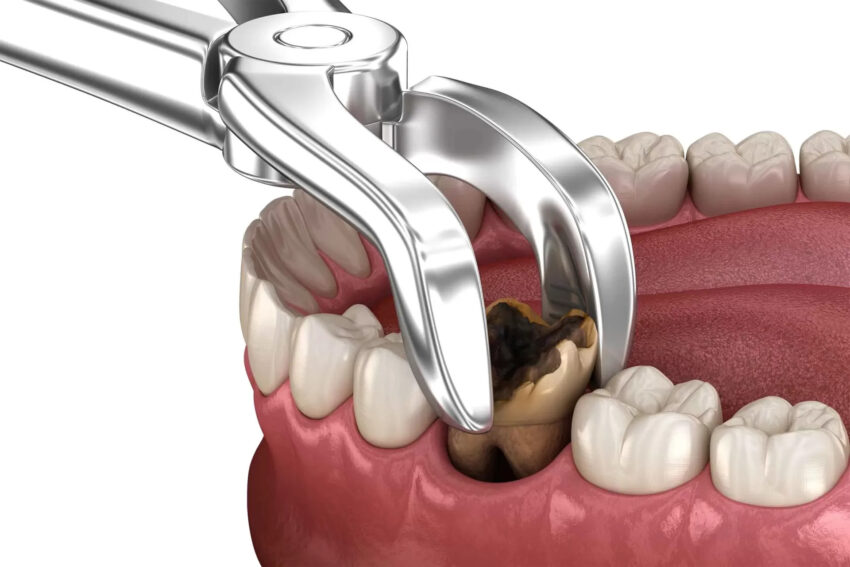
Most people think of a pulled tooth as a ten-minute affair. You sit, it comes out, you go home. The real story, though, is the week around it. In a busy town where families travel for darshan, plan weddings months ahead and eat heavy, spicy meals, tooth extraction in Tirupati needs some scheduling sense, not just a dental chair.
This article covers that planning part. It is general information, so your own dentist’s advice always comes first.
When Does a Tooth Actually Need to Come Out?
Dentists try to save a natural tooth wherever possible. Extraction is suggested when saving it is no longer practical. Common reasons include:
- A tooth cracked below the gum line
- Decay so deep that a filling or root canal cannot hold it
- Gum disease that has loosened the tooth
- A wisdom tooth stuck sideways and pressing on its neighbour
Whether it is a child’s milk tooth that refuses to fall or an elder’s loose molar, tooth extraction treatment in Tirupati begins with an X-ray and a short talk about your medical history. Do mention blood pressure, diabetes, blood-thinning medicines and allergies. That small list changes how the procedure is planned.
Simple and Surgical Extractions
A simple extraction is for a visible tooth that can be loosened with instruments. A surgical one is for teeth that are broken, buried or impacted, and may need a small cut in the gum. Both are done under local anaesthesia, so the area stays numb. You feel pressure, but sharp pain should not be part of it.
Why Wisdom Teeth Are a Different Story?
Wisdom teeth often grow at awkward angles because the jaw has little room left by the time they arrive. An impacted tooth may cause swelling, a bad taste or pain near the back of the jaw. Not every wisdom tooth must be removed, though. Sometimes watching it with X-rays is the sensible choice.
Preparing for the Day
Pick your day carefully. Avoid scheduling tooth removal in Tirupati right before a long journey, an exam, a festival fast or a family function where you will be on your feet and eating. Two quiet days afterwards make recovery easier.
- Eat a normal meal beforehand unless told otherwise
- Carry old X-rays and prescriptions
- Bring someone along, especially if you are older or anxious
It also helps to speak with a tooth extraction dentist about costs, the number of visits and whether a replacement tooth will be needed later.
The First Twenty-Four Hours
This stretch matters most, because the blood clot in the empty socket works like the body’s own bandage. Protect it.
Things to Do
- Bite on the gauze for as long as advised, usually thirty to forty-five minutes
- Take medicines exactly as prescribed
- Apply a cold pack on the outside of the cheek in short intervals
- Rest with your head slightly raised
Things to Avoid
- Spitting hard, rinsing forcefully or using a straw
- Smoking, tobacco, gutka or alcohol
- Hot tea, very spicy food and hard snacks
- Poking the area with your tongue or fingers
Many patients ask how to judge a best tooth extraction clinic. Instead of chasing ratings alone, look for clean sterilisation practice, a clear consent talk, honest explanation of options and willingness to answer follow-up calls.
Food and Routine in the First Week
Soft, lukewarm food is your friend. Think curd rice, dal water, idli softened in sambar, khichdi, mashed banana and buttermilk without a straw. Return to regular meals slowly as comfort allows. Chew on the opposite side for a few days. Anything crunchy, sticky or very chilli-heavy can wait.
Visitors and working people often ask about travel. Short trips are usually manageable, but a long hill journey with no access to your dentist is risky in the early days. Planning tooth removal treatment before a holiday, or after you are back, keeps things simple.
Signs That Need a Call to Your Dentist
Some soreness, mild swelling and a little oozing are common for a day or two. Contact your dentist if you notice:
- Pain that grows worse after the third day
- Bleeding that does not slow with firm gauze pressure
- Fever or pus
- A bad smell or taste that will not go away
- Swelling that keeps increasing
A condition called dry socket happens when the clot is lost early. It brings a dull, deep ache and can be treated, so do not just wait it out at home.
What About Replacing the Tooth?
A gap does not stay harmless forever. Neighbouring teeth can drift and the opposite tooth may grow out of position. A bridge, an implant or a removable denture can be discussed once the area heals. Every dental tooth extraction plan works better when the replacement question is raised before the procedure, not months later.
Choosing Where to Go
A nearby neighbourhood dental clinic in Tirupati that keeps proper records and explains things in a language you understand, be it Telugu, Hindi or English, is often enough for routine cases.
If your case is complicated, such as a deeply impacted tooth or a heart condition, a dentist in Tirupati who is comfortable coordinating with your physician is useful.
FAQs
Is tooth extraction painful?
The area is numbed first, so you should feel pressure rather than pain. Some soreness can come once the numbness fades, and prescribed medicines usually keep it manageable.
How long does recovery take?
Gum healing usually takes one to two weeks, while the bone underneath needs longer. Most people return to routine within a few days, though this varies from person to person.
Does every wisdom tooth need removal?
No. Only those causing trouble, or likely to, are removed. Your dentist decides after an X-ray.
Should extraction be done in a hospital setup?
For routine cases a clinic is usually enough. A dental hospital in Tirupati may suit patients with serious health conditions who need closer monitoring. Ask your dentist which setting is appropriate.
How do I pick a reliable place?
People often search for the best dental clinic in Tirupati, but a better test is whether the team explains your options, sterilises instruments openly and answers calls after treatment.
Conclusion
A pulled tooth is a fairly small event, but the days around it deserve care. Plan the date, follow the aftercare, watch for warning signs and think about replacement early. Whenever you are unsure, a conversation with an Experienced Dentist in Tirupati is the safest first step.
Source: deviantart.com