

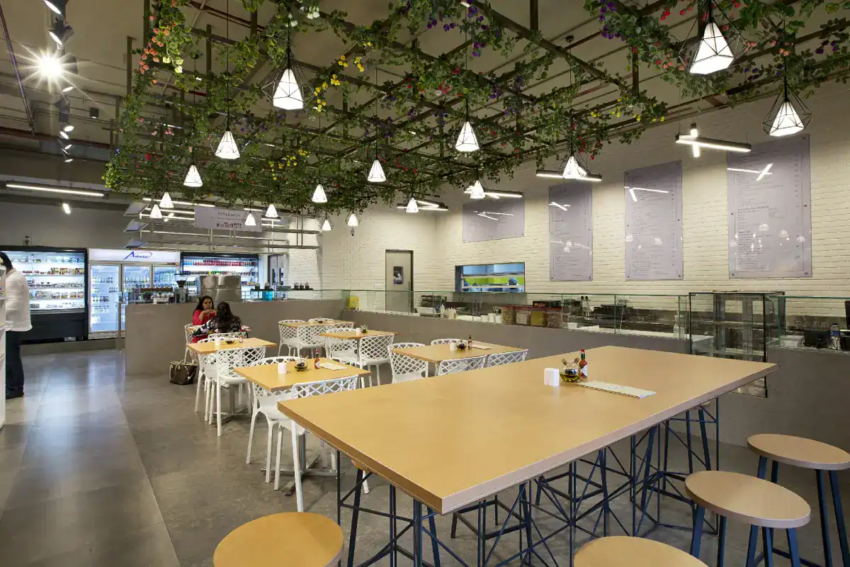
A restaurant is more than a place where people enjoy good food. It is a space where ambience, service, comfort, and visual appeal come together to shape the overall dining experience. From the moment guests walk through the entrance, the interiors influence their expectations and first impressions. Thoughtful design can make a restaurant feel welcoming, encourage customers to stay longer, and give them a reason to return.
Whether you are opening a new cafe, renovating an existing restaurant, or developing a fine dining establishment, the right design approach can help transform your vision into a distinctive space that reflects your brand and appeals to your target audience.
Why Restaurant Interior Design Matters
In a competitive food and beverage industry, an attractive menu alone may not be enough to create a lasting impression. Customers increasingly look for dining spaces that offer a complete experience. Lighting, furniture, colour schemes, textures, and spatial arrangements all contribute to how guests perceive a restaurant.
A well-planned interior can improve customer comfort, create a recognisable brand identity, and make the space more appealing for photographs and social media sharing. It can also support staff movement, improve seating efficiency, and ensure that the restaurant operates smoothly during busy hours.
Working with an experienced luxury interior designer helps restaurant owners balance aesthetics with functionality. Every design decision, from the entrance and reception area to the dining layout and decorative elements, should support the restaurant’s concept and business objectives.
Key Elements of an Effective Restaurant Interior
1. Create an Ambience That Reflects Your Brand
The atmosphere of a restaurant should communicate its identity without requiring an explanation. A fine dining establishment may benefit from sophisticated finishes, warm lighting, elegant furniture, and carefully selected decorative accents. A contemporary cafe might feature minimalist interiors, comfortable seating, and a relaxed colour palette.
The objective is to ensure that every element feels connected to the restaurant’s concept. Consistent design choices help establish a recognisable identity and create an environment that customers can associate with the brand.
2. Plan the Layout for Comfort and Efficiency
An attractive restaurant must also function efficiently. Poorly positioned tables, narrow walkways, or an inconvenient service counter can affect both customer comfort and staff productivity.
Effective planning considers the relationship between the kitchen, dining area, entrance, billing counter, and service stations. Seating arrangements should provide sufficient privacy without wasting valuable floor space. Clear circulation paths also help staff serve customers efficiently while allowing guests to move around comfortably.
A practical layout ensures that the restaurant remains organised and welcoming, even during peak dining hours.
3. Use Lighting to Shape the Dining Experience
Lighting has a significant influence on the mood of a restaurant. Soft, warm lighting can create an intimate atmosphere for fine dining, while brighter illumination may be suitable for casual cafes and quick-service establishments.
A combination of ambient, task, and accent lighting can highlight architectural features, illuminate dining tables, and draw attention to selected design elements. Pendant lights, wall fixtures, concealed lighting, and decorative installations can add character without overwhelming the space.
Lighting should also be practical, ensuring that customers can read menus comfortably and staff can carry out their responsibilities safely.
4. Choose Materials That Combine Style and Durability
Restaurants experience constant foot traffic, frequent cleaning, and regular furniture use. Therefore, material selection must consider maintenance, durability, and appearance.
Stone surfaces, quality laminates, wood finishes, metal accents, and easy-to-clean upholstery can help create attractive interiors while meeting everyday operational needs. Flooring should offer suitable slip resistance, and frequently touched surfaces should withstand repeated cleaning.
The best material choices depend on the restaurant’s concept, budget, expected usage, and maintenance requirements. A carefully balanced palette can deliver a premium appearance without creating unnecessary upkeep.
5. Make the Dining Area Visually Distinctive
Memorable interiors often include a few carefully designed features that give customers something distinctive to remember. These might include a statement ceiling, an artistic wall installation, a custom bar counter, textured surfaces, or an interesting arrangement of furniture.
Rather than filling every corner with decorative elements, it is better to create a clear visual focus. Feature walls, mirrors, artwork, and architectural details should complement the overall theme and contribute to the atmosphere.
These elements can also make the space more recognisable in customer photographs, helping strengthen brand recall.
Why Professional Planning Makes a Difference
Restaurant projects involve several interconnected decisions, including space planning, architectural coordination, material selection, lighting, furniture, and execution. When these elements are handled without a coordinated plan, the result can be inconsistent design, unexpected costs, and delays.
Professional design consultancy brings structure to the process. It begins with understanding the restaurant’s concept, audience, operational requirements, and budget. From there, the team develops layouts, refines the design direction, finalises materials, and coordinates execution.
At Goldmine Project Consultants, the approach combines creative thinking with practical project planning. Clear communication, customised solutions, and attention to execution help ensure that the finished restaurant reflects the original vision while meeting the needs of its owners and customers.
Designing Restaurants for Long-Term Success
A successful restaurant interior should remain functional and appealing beyond its opening day. This means considering changing customer expectations, ease of maintenance, flexible seating arrangements, and the possibility of future updates.
Investing in timeless design elements can help prevent the space from feeling outdated too quickly. Durable materials, adaptable furniture, efficient layouts, and well-planned lighting can support long-term usability. At the same time, smaller decorative updates can refresh the atmosphere without requiring a complete renovation.
Ultimately, restaurant design is an investment in customer experience, operational efficiency, and brand identity. When these aspects work together, the space becomes more than a backdrop for dining; it becomes an important part of what customers remember.
Turn Your Restaurant Vision into Reality
Creating an inviting restaurant requires a clear concept, thoughtful planning, and careful execution. From selecting the right materials to designing a layout that supports daily operations, every decision contributes to the overall experience.
Goldmine Project Consultants brings a considered approach to architecture and interior design, helping businesses create distinctive hospitality spaces that balance visual appeal with practical requirements.
If you are planning a new restaurant, upgrading an existing cafe, or reimagining your dining space, contact us today to discuss your project and explore a design approach tailored to your requirements.