

Introduction
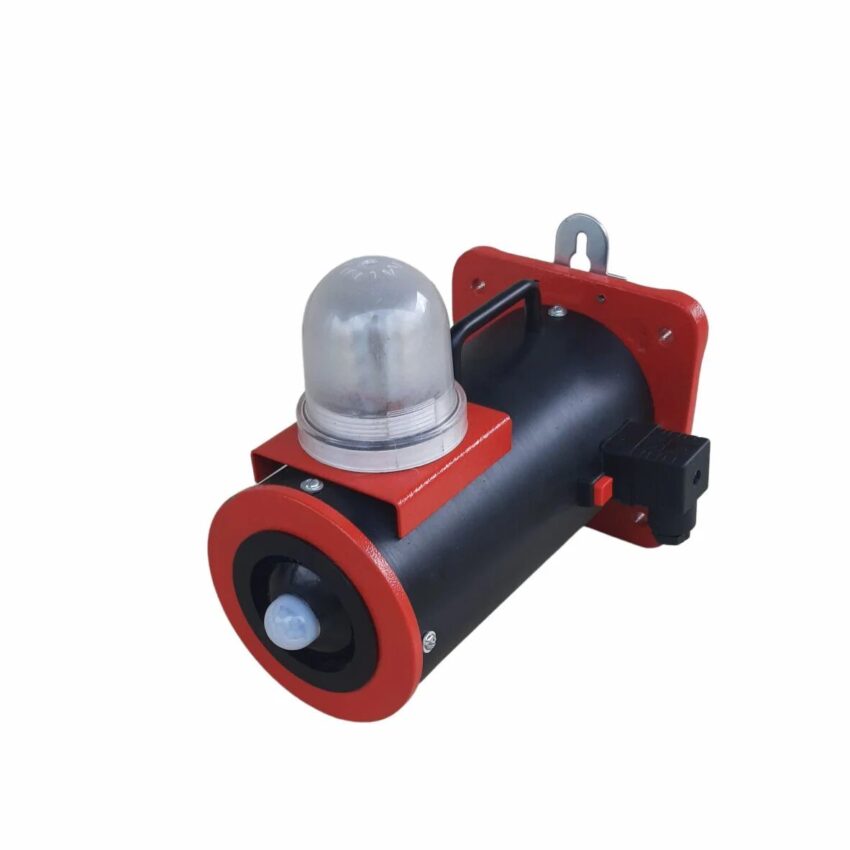
In industrial environments, even a small delay in noticing an equipment warning can interrupt operations or affect workplace safety. Control panels help operators monitor machinery, electrical systems, and automated processes, but their alerts must be easy to recognize in busy work areas. This is where a sounder strobe for control panel applications can make a practical difference by combining an audible signal with a flashing visual indication.
By providing two forms of notification, these devices help draw attention to abnormal conditions and support quicker operator responses. They are useful in manufacturing units, electrical control rooms, automation systems, and other industrial installations where clear warning signals are important.
Why Do Control Panels Need Audible and Visual Alerts?
Industrial facilities often contain background noise, moving machinery, and several operating stations. An alarm that relies on only one type of signal may not always attract attention.
A combined warning device offers two complementary signals:
-
Audible notification: A sound alerts personnel when an abnormal condition or predefined event occurs.
-
Visual indication: A flashing light helps operators identify an alert, particularly when surrounding noise makes an audible signal difficult to hear.
-
Improved awareness: Using sound and light together can make warning events more noticeable across different working conditions.
-
Clearer response: Recognizable alerts help personnel identify situations that may require inspection or corrective action.
The effectiveness of an alarm still depends on its placement, signal strength, visibility, and suitability for the environment.
Important Features to Consider When Selecting a Sounder Strobe
Choosing an appropriate warning device involves more than comparing its appearance or size. Buyers should review the operating requirements of the installation before making a decision.
1. Supply Voltage Compatibility
Check the control panel’s available power supply and select a device designed for that voltage. Industrial installations may use different AC or DC supplies, so verifying the product specifications is essential for proper integration.
2. Audible Signal Requirements
Consider the ambient noise level and the distance between the alarm and the personnel who need to hear it. The sound output should be suitable for the application without creating unnecessary disturbance in nearby areas.
3. Flashing Light Visibility
The visual indicator should be noticeable from the expected viewing positions. Consider lighting conditions, obstructions, mounting height, and the presence of other indicator lights around the panel.
4. Enclosure Protection
Industrial equipment may be exposed to dust, moisture, or other environmental conditions. An IP 66 sounder may be appropriate for installations requiring protection against dust ingress and powerful water jets, provided the complete device carries the required rating and is installed according to the manufacturer’s instructions.
5. Mounting and Integration
Check the available panel space, mounting arrangement, wiring requirements, and compatibility with the control system. These details help reduce installation difficulties and support reliable operation.
Applications Across Industrial and Electrical Systems
A combined audible and visual alarm can be used in several settings where operators need to recognize warnings promptly.
Manufacturing and production lines: Alerts can indicate selected machine conditions, process interruptions, or events that require operator attention.
Electrical control panels: Warning devices can notify personnel when connected monitoring or control equipment activates an alarm output.
Industrial automation: Automated systems can use audible and visual indicators to communicate predefined fault or status conditions.
Utility and equipment rooms: Combined signals can help identify warnings in areas containing pumps, motors, electrical equipment, and supporting machinery.
Security systems: Depending on the system design, sound and light indicators may provide notification when a connected security or monitoring system triggers an alert.
The alarm’s specific function depends on the control logic, connected sensors, and installation design. It should not be treated as a substitute for required protective devices or emergency procedures.
Sounder Strobe vs. Separate Audible and Visual Indicators
A combined device integrates sound and flashing light into one unit, while separate indicators use individual components for each function.
A combined unit may simplify equipment arrangement and reduce the number of separate devices mounted on a panel. Separate units, however, can offer greater flexibility when sound and visual signals need to be positioned independently.
The better choice depends on panel dimensions, required signal coverage, maintenance preferences, wiring arrangements, and the operating environment. Reviewing the complete installation requirements before purchasing can help identify the more practical option.
Installation and Maintenance Best Practices
Correct installation supports the performance and service life of an industrial warning device. Before commissioning, verify the rated supply voltage, wiring connections, mounting instructions, and environmental suitability.
Routine maintenance should include:
-
Inspecting the housing for damage or signs of deterioration.
-
Checking that the flashing light is visible and the audible signal is functioning.
-
Reviewing wiring and connections according to the manufacturer’s guidance.
-
Keeping the unit clear of obstructions that could reduce sound or light effectiveness.
-
Testing the alarm as part of the site’s established maintenance schedule.
Electrical work should be carried out by qualified personnel using appropriate isolation and safety procedures. Any replacement should match the required electrical and environmental specifications.
Choosing the Right Product for Your Control Panel
Before selecting a warning device, identify the operating voltage, required sound and light output, mounting arrangement, environmental exposure, and control-system requirements. These details provide a useful basis for comparing available models.
Mimic Products offers a range of industrial warning alarm products for different applications. Buyers can review the available options and product specifications to determine which solution suits their control panel requirements.
Conclusion
A suitable sounder strobe can improve how industrial personnel recognize alerts by combining an audible warning with a visible flashing indication. Careful consideration of voltage compatibility, signal visibility, sound output, enclosure protection, and installation requirements helps ensure the selected device fits its intended application.
For control panel designers and industrial buyers, reviewing these factors before selection supports more practical alarm integration and clearer communication of operating conditions.
Frequently Asked Questions
1. What is a sounder strobe for a control panel?
It is a warning device that combines an audible signal with a flashing light to help attract attention when a connected system activates an alert.
2. What does IP66 protection mean?
IP66 indicates protection against dust ingress and powerful water jets under specified test conditions. It does not automatically mean a product is suitable for immersion or every outdoor environment.
3. How do I select the correct operating voltage?
Confirm the control panel’s supply voltage and compare it with the device’s rated input voltage before installation.
4. Can a sounder strobe be used in industrial automation?
Yes, it can be integrated into compatible automation systems to signal predefined alarms, faults, or operating events, subject to the system design.