

A technician working beneath a machine or inspecting equipment inside a cabinet cannot always depend on overhead lighting. Shadows, narrow spaces, and inaccessible corners can make routine checks more difficult. Having a portable light available helps direct illumination toward the area that needs attention, making inspection and servicing tasks more convenient.
An LED Hand Lamp is a practical option for workplaces that require movable lighting for regular technical activities. From manufacturing units to maintenance workshops, this type of light can support visual inspections, equipment servicing, and repair work. Choosing a suitable model, however, requires an understanding of its specifications and the conditions in which it will be used.
Why Portable Lighting Matters in Industrial Work
Industrial facilities contain machinery, electrical panels, production equipment, and service areas with different lighting requirements. Fixed lighting provides general visibility, but it may not reach every component that requires inspection.
Portable lighting allows workers to position a light closer to the task. This is useful when examining equipment surfaces, checking accessible connections, or working around machinery that creates shadows.
A suitable hand lamp can support several activities:
-
Routine machinery inspections
-
Equipment servicing and troubleshooting
-
Workshop maintenance
-
Visual checks in restricted spaces
-
Inspection of accessible components
-
Maintenance work in areas with limited illumination
Portable lighting is an additional aid rather than a substitute for approved inspection methods. Electrical and mechanical work must still follow the relevant safety procedures.
Important Features to Evaluate Before Purchase
Different industrial environments place different demands on lighting equipment. Understanding a few key specifications can help buyers compare available models more effectively.
1. Brightness and Light Distribution
Light output is generally expressed in lumens. This measurement indicates the total visible light produced by a source, but it does not tell the whole story about how well a particular area will be illuminated.
Beam direction, distance from the work surface, surrounding light, and the size of the component all influence visibility. When selecting a lamp for inspection, consider the actual task instead of relying on brightness figures alone.
2. Electrical Compatibility
Operating voltage is an essential specification. A lamp designed for a 12 VDC supply requires a compatible power source and must be connected according to the manufacturer’s instructions.
Before purchasing industrial lighting, confirm the available supply, connector requirements, and any restrictions associated with the intended application. Using an incompatible supply can damage equipment and create safety risks.
3. Construction and Protective Components
The body and protective cover are worth examining when selecting a lamp for regular workshop use. Materials such as aluminium may provide a sturdy housing, while protective mesh or a suitable dome can help shield internal components.
The actual level of protection depends on the complete design and the manufacturer’s specifications. Buyers should review the product information to understand its intended operating conditions.
4. Environmental Protection
Dust and moisture can affect the suitability of electrical equipment for a particular workplace. An ingress protection rating helps explain the protection offered against specified solids and liquids.
For example, an IP66 rating indicates dust-tight protection and resistance to powerful water jets under defined test conditions. It does not automatically establish suitability for immersion, explosive atmospheres, or every harsh industrial environment.
5. Handling and Positioning
A portable light should be manageable during the tasks for which it is intended. Weight, grip, cable arrangement, and access to the area being illuminated may all influence day-to-day usability.
Workers should also follow instructions concerning safe handling, storage, cleaning, and inspection.
Eagle LED Hand Lamp from Mimic Products
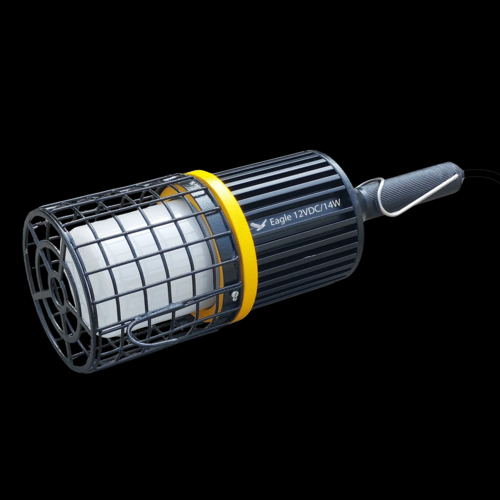
Mimic Products lists an Eagle LED Hand Lamp for industrial lighting and inspection applications. Reviewing its published specifications provides an example of how buyers can evaluate a product against their requirements.
The listed model has the following features:
-
Voltage: 12 VDC
-
Power consumption: 14 watts
-
Light output: Approximately 1400 lumens
-
Body: Aluminium extruded construction
-
Protective features: Wire mesh and polycarbonate dome
-
Ingress protection: IP66
These specifications offer useful starting points for comparing portable industrial lighting. The operating voltage identifies the required power supply, while the wattage and lumen rating provide information about power consumption and light output.
The aluminium body, wire mesh, and polycarbonate dome are additional construction details to consider. The IP66 rating may be relevant for suitable environments where dust and water exposure are concerns, subject to the product’s instructions and the actual conditions of use.
Before ordering, buyers should verify the latest product specifications and confirm that the lamp meets the electrical and environmental requirements of their workplace.
Product reference: Eagle LED Hand Lamp – Mimic Products
Applications Across Different Work Environments
Manufacturing and Production Facilities
Production equipment may need frequent visual checks as part of routine maintenance. Portable lighting can help technicians examine accessible machine components and identify visible changes that require further investigation.
Engineering and Repair Workshops
Repair work often involves components positioned beneath equipment or inside partially enclosed spaces. An appropriate hand lamp helps workers direct light toward the relevant area without depending entirely on ceiling fixtures.
Plant Maintenance Departments
Maintenance personnel regularly move between equipment, service points, and inspection areas. Portable illumination can support these activities when fixed lighting does not provide sufficient visibility.
Vehicle and Equipment Servicing
Some vehicle and industrial equipment maintenance tasks require additional light to examine accessible parts. The lamp must be suitable for the electrical supply and working conditions involved, especially where specialist safety requirements apply.
Depending on the intended use and applicable requirements, a suitable product may be evaluated as a Safety lamp, Maintenance Lamp, or Inspection lamp. These terms describe application needs, but they do not independently certify a product for a particular hazardous or specialised environment.
How to Choose the Right Lamp for Your Requirements
Selecting industrial lighting becomes easier when the intended application is clearly defined.
First, identify where the lamp will be used and what needs to be illuminated. A general visual inspection may have different requirements from detailed work inside a machine compartment.
Next, check the operating voltage and ensure that a compatible power source is available. Compare the light output with the size of the work area, and review the housing and ingress protection rating against expected environmental conditions.
It is also helpful to consider how frequently the lamp will be handled, how it will be stored, and what maintenance it requires. For specialised applications, consult the manufacturer to confirm compatibility with the site’s safety procedures.
A simple comparison of specifications can prevent buyers from selecting equipment based on appearance or brightness alone.
Maintenance Practices for Longer Service
Regular inspection helps users identify visible damage before using portable electrical equipment. The lamp should be checked according to the manufacturer’s recommendations, particularly if it is handled frequently or used in demanding environments.
Useful practices include:
-
Examine the body, cable, connections, and protective components for damage.
-
Clean the equipment using an approved method.
-
Keep the lamp away from incompatible power sources.
-
Store it in a suitable place when not in use.
-
Stop using damaged equipment until it has been inspected and repaired appropriately.
-
Arrange electrical repairs through qualified personnel.
Never open or repair an energised lamp. Follow the site’s isolation procedures and the manufacturer’s instructions whenever maintenance is necessary.
Conclusion
Portable lighting is a useful part of routine industrial maintenance because it helps workers direct illumination toward equipment that may be difficult to see under fixed lights. The right choice depends on the task, available power supply, required brightness, construction, and environmental conditions.
The Eagle LED Hand Lamp from Mimic Products is listed with a 12 VDC supply, 14-watt LED, approximately 1400 lumens of output, and IP66-rated construction. These details can help buyers determine whether the model suits their intended inspection and maintenance activities.
Rather than selecting a lamp on one feature alone, compare its complete specifications with the requirements of the workplace.
Frequently Asked Questions
1. What is an LED Hand Lamp used for?
It provides portable illumination for equipment inspection, workshop repairs, machinery servicing, and other suitable tasks in areas where fixed lighting is insufficient.
2. What are the specifications of the Eagle model?
The Mimic Products listing specifies 12 VDC operation, 14-watt power consumption, and approximately 1400 lumens of light output.
3. Why is the IP rating important?
The rating indicates the level of protection against specified solids and liquids. Buyers should check whether it meets the requirements of the intended working environment.
4. Can a hand lamp be used for maintenance work?
Yes, a suitable model can provide additional illumination during routine maintenance and visual inspections, provided its electrical and environmental ratings meet the application requirements.
5. What should buyers check before ordering?
Review the voltage, light output, construction, ingress protection, handling requirements, and manufacturer instructions before selecting a lamp.