

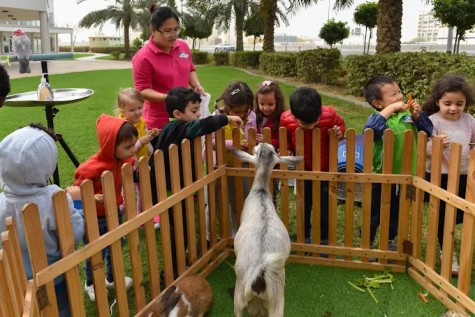
Language development begins long before children can form complete sentences. Everyday conversations, songs, stories, and interactions help young children understand words and express their needs. Parents comparing JLT nurseries should consider how educators create opportunities for listening, speaking, early literacy, and meaningful communication throughout the day.
Why Communication Skills Matter
Communication helps children share ideas, express emotions, build relationships, and understand instructions. During the early years, children develop these abilities at different rates, influenced by their experiences, individual development, and the languages used around them.
A supportive nursery environment gives children regular opportunities to listen, respond, ask questions, and communicate without unnecessary pressure.
Building Language Through Everyday Conversations
Young children learn language through repeated exposure to meaningful words and interactions. Educators can support this process by talking about familiar objects, describing activities, and responding to children’s attempts to communicate.
Encouraging Children to Express Themselves
Open-ended questions can encourage children to share their observations. For example, an educator might ask what a child noticed during outdoor play or invite them to describe a picture.
Younger children may respond through gestures, sounds, or single words. Adults can acknowledge these attempts and model slightly more detailed language without making communication feel like a test.
Expanding Vocabulary Naturally
Everyday routines provide opportunities to introduce new words. During an art activity, educators might discuss colours, shapes, and textures. During outdoor exploration, children may learn words associated with plants, weather, movement, and animals.
Connecting vocabulary to real experiences helps children understand meaning and use new words in context.
The Role of Books and Storytelling
Reading aloud introduces children to different characters, settings, events, and expressions. It can also help them become familiar with the sounds and rhythms of language.
Making Storytime Interactive
Educators can pause to discuss pictures, invite children to predict what might happen, and encourage them to retell familiar events in their own words.
Repeated readings of favourite stories help children recognize patterns and become more confident participating. Picture books can also provide opportunities to discuss emotions, friendship, and everyday situations.
Introducing Early Literacy
Early literacy develops through experiences such as listening to stories, noticing print, recognizing familiar symbols, singing rhymes, and exploring books independently.
These experiences build familiarity with written language without requiring young children to complete formal reading exercises before they are developmentally ready.
Supporting Multilingual Children
In a multilingual environment, children may hear different languages at home and in their educational setting. They may initially use more words in one language than another or take time to become comfortable speaking in a new environment.
Educators should respect children’s existing language abilities and encourage communication without treating multilingualism as a problem.
Parents can share the languages used at home, familiar words, and cultural experiences that may help staff build connections. Continuing to speak naturally in the family’s preferred language can support communication and maintain meaningful family relationships.
Developing Listening and Social Communication
Language development includes more than speaking. Children also learn to listen, respond to others, recognize conversational turns, and interpret facial expressions and gestures.
Group stories, music sessions, pretend play, and collaborative activities create opportunities to practise these skills.
Educators can model respectful communication by listening carefully, allowing children time to respond, and helping them express disagreement or ask for assistance appropriately.
How Parents Can Reinforce Learning at Home
Families can support communication through simple daily experiences. Talk about familiar activities, read together, sing songs, and give children time to explain what interests them.
Respond positively to questions and attempts to communicate. If a child has persistent communication difficulties or parents have developmental concerns, discussing them with the child’s healthcare professional can help determine whether further assessment or support is appropriate.
Final Thought
Strong communication skills develop through meaningful conversations, interactive storytelling, play, and supportive relationships. Parents should look for an early education environment where children are encouraged to express themselves at their own pace and where educators communicate regularly with families. Choosing a suitable nursery in Marina Dubai can help parents find an environment that supports language development, social confidence, and a positive start to lifelong learning.