

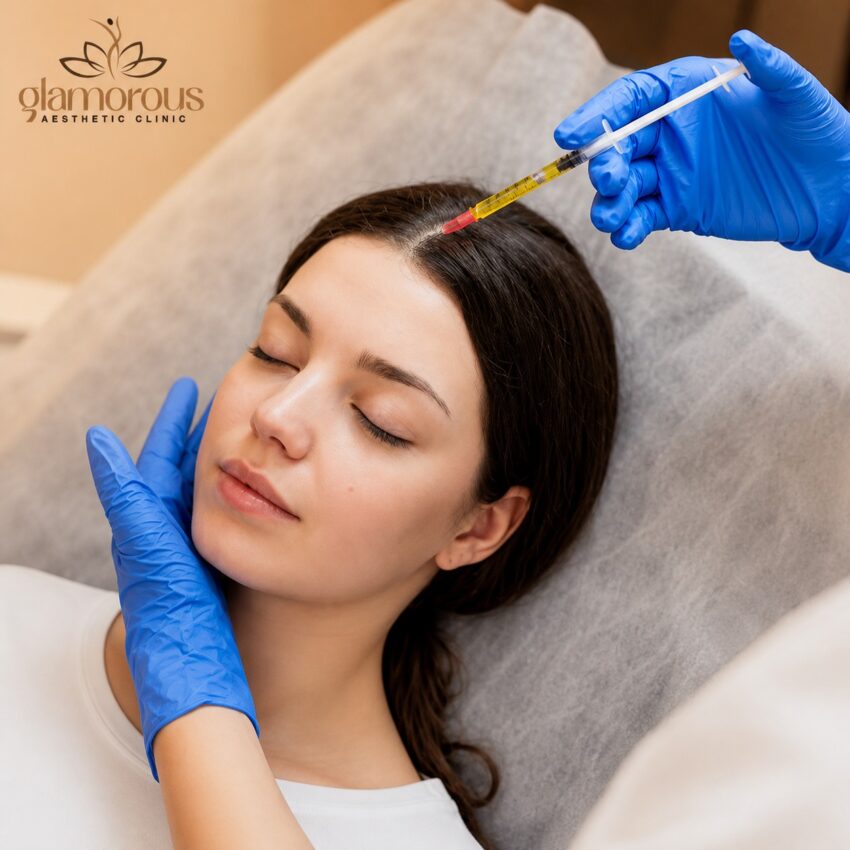
Noticing a wider parting, a thinner ponytail or more strands on your pillow can be unsettling, especially when it starts earlier than you expected. Many people brush these changes aside until they become obvious, but early thinning is often the best moment to act. Treatments that support the scalp’s own biology tend to work better when follicles are still active rather than long dormant. For those exploring PRP in Islamabad platelet-rich plasma therapy has become one of the more talked-about options for people who want a non-surgical approach to early hair thinning. This article explains what PRP is, how it may help, who is most likely to benefit and what realistic expectations look like.
Recognizing the Early Signs of Hair Thinning
Hair thinning rarely happens overnight. It usually begins with subtle changes that are easy to miss. You may notice that your parting looks broader, your hairline appears slightly higher, or your hair feels less dense when tied back. Some people see more hair in the shower drain or on their brush than before, while others notice that individual strands have become finer and shorter.In men, thinning often starts at the temples or the crown. In women, it more commonly appears as diffuse thinning across the top of the scalp, with the hairline largely preserved. Recognizing these patterns early matters because follicles that have only begun to shrink are generally more responsive to treatment than those that have stopped producing hair altogether.
Common Causes Behind Early Thinning
Understanding why hair is thinning is essential before choosing any treatment. Genetics and hormones play a major role, particularly in pattern hair loss, where follicles gradually become more sensitive to hormonal changes and shrink over time. Stress, illness, rapid weight loss, childbirth and surgery can trigger a temporary shedding phase. Nutritional shortfalls, including low iron, vitamin D or protein intake, can weaken hair growth. Thyroid disorders, certain medications and harsh styling habits can also contribute.Because causes differ, a proper assessment by a qualified professional is the right starting point. Treating the scalp without addressing an underlying deficiency or medical issue can lead to disappointing results.
What Is PRP Therapy?
Platelet-rich plasma therapy uses a concentrated portion of your own blood to support tissue repair and growth. A small sample of blood is drawn and placed in a centrifuge, which separates the components. The platelet-rich layer is then collected and prepared for use.Platelets contain growth factors, which are natural proteins involved in healing and cell signaling. In hair treatment, the aim is to deliver these factors to the scalp so that they may encourage follicles to become more active. Because the material comes from your own body, the risk of allergic reaction is generally low, which is one reason many patients find the idea appealing.
How PRP May Help Hair Thinning?
The exact mechanisms are still being studied, but current understanding suggests several possible effects. Growth factors in platelets may help prolong the growth phase of the hair cycle, support blood supply around the follicle and stimulate dormant or weakened follicles. They may also help improve the scalp environment, which can contribute to thicker, healthier-looking strands over time.Research on PRP for hair thinning has shown encouraging results in some studies, particularly for early pattern hair loss, though the evidence is not uniform. Protocols, preparation methods and patient groups differ between studies, which makes direct comparison difficult. This is why it is more accurate to describe PRP as a promising supportive treatment rather than a guaranteed cure.
Who Is Most Likely to Benefit?
PRP tends to be most suitable for people in the early or moderate stages of thinning, when follicles are still alive but weakened. Those who have noticed gradual loss of density, a widening parting or early recession often fit this profile. It may also be considered by people with thinning related to certain temporary triggers, once the underlying cause has been addressed.It is generally less effective in areas of long-standing, complete baldness where follicles have been lost. In such cases, other approaches, including hair transplantation, may be discussed. Candidates should also be in reasonable general health. People with certain blood disorders, active scalp infections, some chronic illnesses or those taking blood-thinning medication may need special evaluation before treatment.
What Happens During a PRP Session?
A typical session begins with a consultation and scalp examination, during which the practitioner assesses your hair pattern, scalp condition and medical history. On the day of treatment, blood is drawn from your arm and processed in the centrifuge. The scalp is cleaned, and a numbing cream or local anesthetic may be applied to improve comfort.The prepared plasma is then injected into targeted areas of the scalp using fine needles, or applied using other techniques depending on the clinic’s method. The injection process usually takes a short while, and many patients describe it as tolerable, though some areas of the scalp may feel more sensitive than others. Most people return to daily activities soon afterward.
Recovery and Aftercare
Downtime is minimal. Mild redness, tenderness, slight swelling or a feeling of tightness in the scalp can occur in the first day or two. Practitioners commonly advise avoiding vigorous exercise, hair dyes, heat styling and harsh products for a short period after treatment, and keeping the scalp clean and protected from strong sun.Following the aftercare instructions given by your clinic helps the scalp settle and reduces the chance of irritation. If you notice persistent pain, swelling, pus or fever, contact your practitioner promptly.
How Many Sessions Are Typically Needed?
PRP is not usually a one-time solution. Many treatment plans involve a series of sessions spaced several weeks apart, followed by maintenance sessions after that, although the exact schedule depends on your condition and your practitioner’s protocol. Hair grows slowly, so visible changes take time. Some people begin noticing less shedding or improved texture after a few weeks, while changes in density generally take a few months to become apparent.Results vary from person to person, and maintenance may be needed to sustain improvement because the underlying causes of thinning, such as genetics, often continue to act on the follicles.
Possible Risks and Limitations
PRP is considered relatively safe for most people, but it is not free of risk. Temporary side effects can include pain at the injection site, headache, scalp tenderness, bruising and mild swelling. Rarely, infection, scarring or an adverse reaction to the anesthetic may occur. Using sterile technique and a qualified practitioner reduces these risks.It is equally important to understand the limitations. PRP will not change your genetics, it cannot regrow hair in areas where follicles have been lost, and it may not work equally well for everyone. Anyone promising guaranteed or permanent results should be approached with caution.
Combining PRP With Other Approaches
For many people, PRP works best as part of a broader plan. Doctors may recommend topical or oral medications, nutritional correction, treatment of thyroid or hormonal issues, gentler hair care and stress management alongside PRP sessions. Addressing the root cause while stimulating the follicles gives a more complete approach than relying on any single method.Lifestyle also matters. A balanced diet with adequate protein, iron and vitamins, good sleep, regular exercise and avoiding smoking can all support healthier hair growth and help you get more from your treatment.
Setting Realistic Expectations
A sensible goal for PRP is to slow down thinning, improve the quality and thickness of existing hair and support the growth of weakened follicles. It is not a way to restore a full head of hair overnight. Honest practitioners will explain what is achievable for your specific pattern and will not exaggerate outcomes.Taking clear photographs of your scalp before beginning and at regular intervals can help you judge progress objectively, since gradual changes are easy to overlook in the mirror.
Choosing a Qualified Practitioner
Because PRP involves drawing blood and injecting the scalp, the experience and qualifications of the practitioner matter greatly. Look for a clinic that offers a proper consultation, explains the process clearly, follows strict hygiene standards and uses appropriate equipment for plasma preparation. Ask about the number of sessions recommended, the expected timeline and what happens if results are limited. A transparent provider will welcome these questions.
Conclusion
PRP therapy can be a worthwhile option for people who notice early signs of hair thinning and want to support their own follicles with a minimally invasive treatment. It works best when started early, when the cause of thinning is properly understood and when expectations are realistic. While results vary and the evidence continues to develop, many patients value PRP as a low-downtime way to improve hair density and strength. If you are noticing changes in your hair, the most useful first step is a professional consultation to identify the cause, check whether PRP is suitable for you and build a plan that fits your needs.
Read More :
https://www.pikumil.com/blogs/219421/What-Should-You-Know-About-Skin-Sensitivity-After-PRP-Facial