

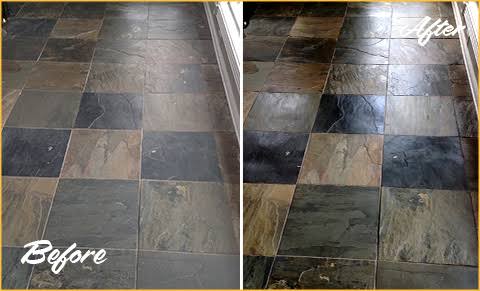
Outdoor pavers are widely used across Tampa, Florida, for driveways, patios, walkways, pool decks, and other hardscape surfaces. However, constant exposure to sunlight, humidity, rainfall, and everyday use can gradually affect their appearance and condition. Paver sealing Tampa is an important maintenance process that helps protect compatible paving materials, reduce certain types of staining, and maintain the overall appearance of outdoor surfaces. Understanding how sealing works, its benefits, and the factors affecting its performance helps property owners make informed maintenance decisions.
What Is Paver Sealing?
Paver sealing is the process of applying a protective product to compatible paving surfaces. Depending on the formulation, the sealer can reduce moisture absorption, limit the penetration of certain stains, enhance existing colors, and help stabilize joint sand between pavers.
The purpose of sealing is not to make pavers completely waterproof or eliminate all maintenance requirements. Instead, it provides an additional layer of protection against specific environmental conditions and everyday wear.
In Tampa, paver sealing Tampa is particularly relevant because outdoor surfaces regularly encounter humid weather, heavy rainfall, strong sunlight, and organic debris. These conditions can contribute to discoloration, algae growth, and gradual deterioration when surfaces are not properly maintained.
How Tampa’s Climate Affects Pavers
Tampa’s subtropical climate presents several challenges for outdoor paved areas. High humidity and frequent rainfall can keep surfaces damp, especially in shaded locations with limited airflow. Moist conditions may encourage algae and mildew growth, making pavers appear discolored or slippery.
Direct sunlight can also affect the appearance of exposed paving materials over time. Driveways experience vehicle traffic and occasional oil stains, while patios and walkways may accumulate dirt, food spills, and organic debris.
Poor drainage creates additional concerns. Standing water can contribute to recurring organic growth, joint sand loss, and surface staining. Although sealing may help reduce certain forms of moisture penetration, it cannot correct inadequate drainage or structural problems beneath the paving.
What Are the Benefits of Paver Sealing?
One of the primary benefits of paver sealing Tampa is improved resistance to certain stains. Depending on the paver material and sealer, the protective treatment may reduce the absorption of oil, grease, dirt, and other contaminants. This can make routine cleaning easier and help maintain a more consistent appearance.
Another benefit is color enhancement. Some sealers preserve the natural appearance of pavers, while others deepen their colors and create a wet-look or glossy finish. The final result depends on the product selected and the characteristics of the paving material.
Certain sealers also help stabilize compatible joint sand. This can reduce sand displacement caused by rainfall, routine cleaning, and everyday activity. Properly maintained joints support the overall stability of the paved surface, although sealing alone cannot prevent all weed growth or movement.
The benefits vary according to the material, surface preparation, application conditions, and ongoing maintenance.
Why Surface Preparation Matters
Proper preparation is essential for achieving consistent sealing results. Before application, pavers generally need to be cleaned to remove dirt, algae, mildew, loose sand, and existing stains. Any damaged sections, unstable pavers, or deteriorated joints should also be identified.
Drying is another important consideration. Applying a sealer to damp pavers can result in cloudy areas, uneven finishes, or adhesion problems, depending on the product. Tampa’s humidity and rainfall can make drying times longer, so application conditions should be evaluated carefully.
For effective paver sealing Tampa, the surface must be compatible with the selected product, and the manufacturer’s instructions should be followed. Sealing over unresolved drainage problems, loose pavers, or deteriorated joint sand may produce unsatisfactory results.
Which Paver Sealer Is Suitable for Tampa Properties?
The appropriate sealer depends on the paving material and the intended use of the area. Concrete pavers, clay bricks, and natural stone can have different absorption rates and surface characteristics, so a product suitable for one material may not work well on another.
Penetrating sealers generally absorb into the material and help reduce moisture penetration without creating a prominent surface coating. Film-forming sealers create a protective layer on top and may provide a more noticeable finish or color enhancement.
Slip resistance is especially important for pool decks, walkways, and other areas frequently exposed to water. Some coatings can change the surface texture or become slippery when wet. Product selection should therefore consider the area’s use, exposure, and safety requirements.
Testing a small, inconspicuous section can help assess color changes and finish compatibility before treating the entire surface.
How Often Should Pavers Be Sealed?
The frequency of resealing depends on the type of sealer, weather exposure, foot or vehicle traffic, and the condition of the existing coating. Surfaces exposed to direct sunlight, frequent rainfall, or heavy use may require attention sooner than protected areas.
Rather than relying on a universal schedule, property owners can inspect pavers periodically for fading, uneven appearance, peeling, discoloration, or reduced water resistance. These signs may indicate that maintenance or resealing should be evaluated.
Routine cleaning also contributes to the condition of sealed pavers. Removing leaves, dirt, and other debris helps limit staining and organic growth. Suitable cleaning products and methods should be used to avoid damaging the surface or protective coating.
Common Mistakes to Avoid
Several mistakes can reduce the effectiveness of paver sealing. Applying a product before the surface has dried sufficiently can cause finish problems. Using an incompatible sealer may lead to poor adhesion, discoloration, or an undesirable appearance.
Excessive application can also create uneven coatings or a slippery finish. In addition, sealing over weeds, algae, damaged joints, or loose pavers does not resolve the underlying maintenance issues.
For reliable paver sealing Tampa, surface condition, weather conditions, product compatibility, and application instructions should all be considered before work begins.
Conclusion
Paver sealing is an important consideration for maintaining outdoor hardscape surfaces in Tampa’s humid and rainy climate. When performed correctly, it can help reduce certain stains, support joint sand stability, and preserve the appearance of compatible paving materials. However, results depend on proper preparation, suitable product selection, and regular maintenance. Understanding these factors helps property owners make informed decisions about protecting driveways, patios, pool decks, and walkways while maintaining their long-term condition.