

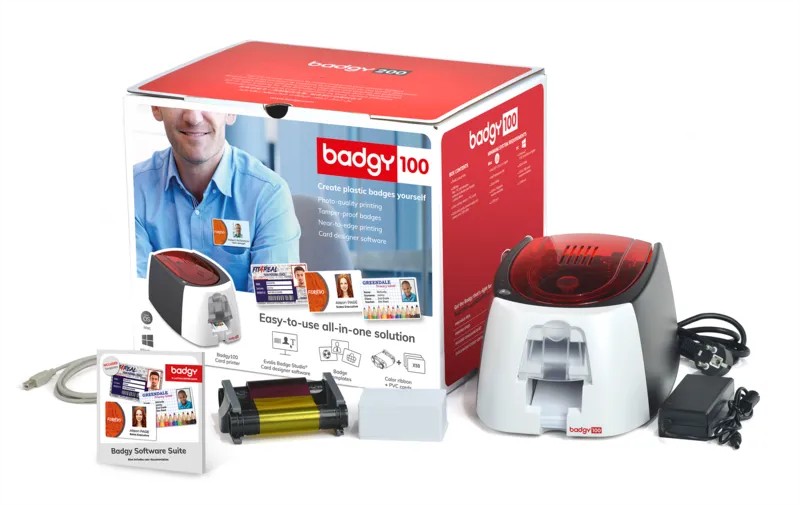
An identification card needs to do more than display a person’s name. It may need a photograph, organisation details, an identification number, a logo, or another visual element that helps people recognise its purpose quickly. For organisations producing these cards internally, a dedicated plastic card printer can be a practical alternative to ordering every card externally.
A badgy printer is designed for this type of card-printing environment. Before selecting a setup, however, it is useful to understand the relationship between the printer, card design, consumables, and the purpose of the finished card.
Understanding ID Card Printing
ID card printing involves transferring personalised information onto a card-sized plastic surface. Unlike standard document printing, the available space is limited, so the design needs to be carefully planned.
An effective identification card normally prioritises information that the holder and other people need to recognise quickly.
This might include:
- Full name
- Photograph
- Employee or member number
- Company or organisation name
- Department or role
- Expiry information
- Barcode or QR code where appropriate
The exact design should depend on the card’s purpose.
Why Use a Dedicated Card Printer?
A conventional office printer is designed around paper. A dedicated card-printing system is intended for plastic card applications, making it more suitable when the final product needs the appearance and handling characteristics of an identification card.
A badgy id printer may be considered by organisations that want to personalise cards internally instead of maintaining a large stock of pre-printed personalised cards.
Selecting the Right Printing Approach
Not every organisation has the same requirements. A small business producing a limited number of employee cards may have different needs from a large organisation managing several types of identification.
Think about the following factors:
- Card purpose: Determine whether the cards are for employees, visitors, students, members, or another group.
- Printing frequency: Estimate how often new or replacement cards are required.
- Design requirements: Identify whether photographs, logos, codes, and colour elements are needed.
- Data management: Consider how cardholder information will be collected and updated.
- Supplies: Check which cards and printing ribbons are suitable for the selected equipment.
This approach keeps the purchase connected to the actual workflow.
Exploring Plastic Card Printing
A badgy plastic card printer can be relevant where users need personalised cards with a more durable plastic format. Plastic cards can be useful for applications that involve regular handling or carrying.
The printing process should be supported by a well-prepared design. Text that is too small, low-quality photographs, and overcrowded layouts can reduce the usefulness of an otherwise good card.
Design Is Part of the Printing Solution
A card printer cannot compensate for poor artwork. Before printing, review the design at its actual card size.
Check that:
- Names are easy to read.
- Photographs are positioned consistently.
- Important numbers are not hidden among decorative elements.
- Logos remain recognisable.
- Colour combinations provide sufficient contrast.
- Codes have enough space to be scanned if they are included.
Create a Reusable Template
A reusable template can make repeated card production much easier. The fixed elements—such as a logo, background, headings, or standard wording—can remain unchanged while personal information is updated for each new card.
This approach also helps maintain consistency when different employees or administrators are responsible for printing cards.
Consumables and Maintenance
A printer requires compatible consumables to operate as intended. Users should consider the availability of suitable cards, ribbons, and cleaning supplies before establishing a printing workflow.
Regular cleaning is also worth including in routine administration. Dust and residue can affect the printing process, so following the manufacturer’s maintenance recommendations is a sensible part of ownership.
The badgy printer should therefore be considered alongside the ongoing requirements of card production, not just the initial equipment purchase.
Where an In-House Setup Can Help
Internal printing can be particularly useful when card information changes regularly. A new employee can require an identification card, a lost card may need replacement, or a membership record may need updating.
Instead of waiting for a large external print run, an organisation with a suitable badgy id printer can maintain greater control over when personalised cards are produced.
This can also reduce the need to store large quantities of personalised cards that may become outdated.
Why Choose Us
Customers often need straightforward information before purchasing card-printing equipment. A useful supplier relationship should make it easier to understand product options, compatible supplies, and the practical requirements of different card applications.
Our approach focuses on clear product information and customer needs rather than unnecessary complexity. The aim is to help users build a card-printing setup that suits their intended application.
About Us
Badgy offers card-printing products for organisations that want to produce personalised plastic cards. The solutions can support different identification and card-related applications where internal printing is useful.
We focus on making card-printing options easier to understand so customers can consider the equipment and consumables relevant to their workflow.
Conclusion
Successful ID card printing depends on more than the printer alone. Card design, personalisation, consumables, maintenance, and printing frequency all influence the overall experience. Assess these factors together before selecting a badgy plastic card printer or another suitable card-printing solution.