
Introduction
Obesity has become one of the most pressing health concerns of the modern era, affecting millions of individuals worldwide and contributing to a wide range of chronic medical conditions. Excess body weight is closely associated with type 2 diabetes, cardiovascular disease, hypertension, sleep apnea, joint disorders, and numerous other health challenges that can significantly reduce quality of life. While healthy eating habits and regular exercise remain essential components of weight management, some individuals require more advanced interventions to achieve sustainable and meaningful results.
Bariatric surgery has emerged as one of the most effective solutions for severe obesity, offering substantial weight loss and significant improvements in overall health. Over the years, surgical techniques have evolved dramatically, moving away from traditional open procedures toward highly sophisticated minimally invasive methods. These modern approaches provide greater precision, reduced recovery times, and enhanced patient comfort. Today, Bariatric Surgery is increasingly performed using minimally invasive techniques that combine advanced technology with personalized care to deliver exceptional outcomes.
Understanding Minimally Invasive Surgery
Minimally invasive surgery refers to procedures performed through small incisions rather than the larger openings traditionally required in open surgery, and it is widely used in Bariatric Surgery in Abu Dhabi. Specialized instruments and high-definition cameras allow surgeons to perform complex operations with exceptional precision while minimizing disruption to surrounding tissues.
In bariatric surgery, minimally invasive methods typically involve laparoscopic or robotic-assisted techniques. During these procedures, surgeons access the stomach and digestive system through several small incisions, using advanced instruments guided by detailed visual imaging.
This modern approach has transformed the patient experience by reducing physical trauma, lowering complication rates, and promoting faster recovery. The result is a safer and more comfortable surgical journey for individuals seeking long-term weight management solutions.
The Evolution of Bariatric Procedures
The field of bariatric surgery has undergone remarkable advancements over recent decades. Earlier procedures often required large abdominal incisions, extended hospital stays, and prolonged recovery periods. While effective for weight loss, these traditional techniques presented challenges related to pain, scarring, and post-operative recovery.
Advances in surgical technology have dramatically changed the landscape of obesity treatment. The introduction of laparoscopic techniques revolutionized bariatric care by enabling surgeons to perform complex operations with greater precision and less tissue damage.
Today’s minimally invasive procedures are supported by high-definition visualization systems, advanced surgical instruments, and sophisticated operating room technologies. These innovations have improved safety, enhanced outcomes, and expanded access to effective obesity treatment for a broader range of patients.
Common Minimally Invasive Bariatric Procedures
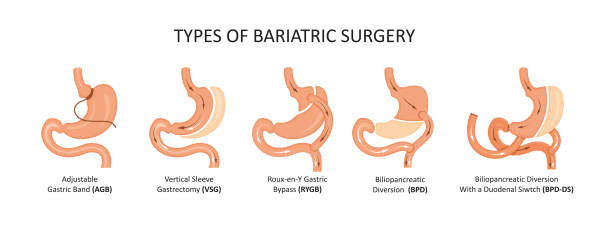
Several bariatric procedures can be performed using minimally invasive techniques, depending on the patient’s needs and health objectives.
Sleeve gastrectomy remains one of the most widely performed weight-loss surgeries. During this procedure, a significant portion of the stomach is removed, creating a smaller, sleeve-shaped stomach. This reduces food intake while also influencing hormones that regulate hunger and appetite.
Gastric bypass surgery is another highly effective option. The procedure creates a small stomach pouch and reroutes part of the digestive system, limiting calorie absorption and improving metabolic function.
Both procedures can be performed using laparoscopic or robotic-assisted methods, providing patients with the benefits of minimally invasive surgery while achieving substantial and sustainable weight loss.
Enhanced Precision Through Advanced Technology
One of the most important advantages of minimally invasive bariatric surgery is the precision it offers. High-definition cameras provide magnified views of internal anatomy, allowing surgeons to visualize structures with exceptional clarity.
This enhanced visibility supports more accurate surgical movements and reduces the risk of unintended tissue damage. Surgeons can navigate delicate anatomical areas with greater confidence and control, improving procedural safety and effectiveness.
Robotic-assisted systems further enhance precision by translating the surgeon’s hand movements into highly controlled instrument actions. These systems offer increased flexibility and stability, enabling meticulous surgical performance during complex procedures.
The combination of advanced imaging and precision-guided technology contributes significantly to improved patient outcomes and greater procedural success.
Reduced Surgical Trauma and Faster Recovery
A major benefit of minimally invasive techniques is the reduction of physical trauma associated with surgery. Because the incisions are much smaller than those used in traditional open procedures, there is less disruption to muscles, tissues, and surrounding structures.
This reduced trauma often leads to less post-operative discomfort and a smoother recovery experience. Many patients are able to return to daily activities sooner compared to traditional surgical approaches.
Smaller incisions also decrease the likelihood of wound-related complications and promote faster healing. Patients typically experience shorter hospital stays, allowing them to continue their recovery in the comfort of their own homes.
The ability to recover more quickly is particularly valuable for individuals eager to begin implementing the lifestyle changes necessary for long-term weight-loss success.
Improved Cosmetic Outcomes
While the primary purpose of bariatric surgery is health improvement, cosmetic considerations can also influence patient satisfaction. Minimally invasive methods result in significantly smaller scars compared to traditional open surgery.
The small incisions used during laparoscopic and robotic procedures often heal with minimal visible scarring. For many patients, this contributes to increased confidence and a more positive overall surgical experience.
Reduced scarring reflects the broader philosophy of minimally invasive surgery, which emphasizes achieving optimal medical outcomes while minimizing the physical impact of treatment.
Supporting Long-Term Weight Loss
The effectiveness of bariatric surgery extends well beyond the operating room. Successful long-term weight management requires a combination of physiological changes, healthy lifestyle habits, and ongoing support.
Minimally invasive procedures help facilitate significant weight reduction by altering digestive function and appetite regulation. Patients often experience reduced hunger, improved satiety, and greater control over food intake.
As weight decreases, many individuals find it easier to engage in physical activity and maintain healthier eating patterns. These positive lifestyle changes reinforce surgical outcomes and contribute to sustainable long-term success.
The ability to achieve meaningful weight loss while experiencing a smoother recovery process makes minimally invasive surgery an attractive option for many patients.
Benefits Beyond Weight Reduction
Modern bariatric surgery is recognized for its ability to improve numerous obesity-related health conditions. Significant weight loss often leads to improvements in blood pressure, blood sugar control, cholesterol levels, and cardiovascular health.
Patients frequently experience better management of type 2 diabetes, reduced symptoms of sleep apnea, and improved joint function. Enhanced mobility and increased energy levels further contribute to overall wellness.
These health benefits highlight the comprehensive nature of bariatric treatment. Rather than focusing solely on weight reduction, minimally invasive procedures support broader improvements in physical health and quality of life.
Personalized Patient Care
Every patient presents unique health challenges, goals, and treatment requirements. Modern bariatric programs emphasize individualized care to ensure optimal outcomes.
Comprehensive evaluations help healthcare providers determine the most appropriate surgical approach based on medical history, body composition, metabolic health, and personal objectives. This personalized assessment process allows treatment plans to be tailored to each individual.
Following surgery, patients receive ongoing guidance related to nutrition, exercise, behavioral changes, and recovery management. Continuous support helps patients navigate lifestyle adjustments while maintaining progress toward their health goals.
Personalized care remains a cornerstone of successful bariatric treatment and contributes significantly to long-term patient satisfaction.
The Future of Minimally Invasive Bariatric Surgery
Technological innovation continues to drive advancements in bariatric care. Future developments are expected to further improve surgical precision, patient safety, and treatment personalization.
Artificial intelligence, enhanced robotic systems, advanced imaging technologies, and digital monitoring tools are likely to play increasingly important roles in obesity treatment. These innovations may allow healthcare providers to optimize procedures and predict patient outcomes with even greater accuracy.
As medical technology evolves, minimally invasive bariatric surgery will continue to become more efficient, personalized, and patient-centered. Abu Dhabi’s commitment to healthcare innovation positions it as a leading destination for advanced obesity treatment and surgical excellence.
Conclusion
Obesity is a complex medical condition that often requires comprehensive intervention to achieve lasting health improvements. Modern bariatric surgery offers an effective solution by combining significant weight loss with meaningful enhancements in overall well-being.
Through the use of advanced laparoscopic and robotic-assisted techniques, Bariatric Surgery in Abu Dhabi provides patients with safer procedures, faster recovery, reduced discomfort, and improved long-term outcomes. Minimally invasive methods have transformed obesity treatment by delivering exceptional precision while minimizing the physical impact of surgery.
As healthcare technology continues to advance, these innovative approaches will play an increasingly important role in helping individuals achieve healthier lives, greater confidence, and sustainable long-term wellness.