
Preventive dentistry focuses on protecting teeth and gums before dental problems develop. While regular brushing, flossing, and routine dental checkups are essential components of good oral health, some areas of the mouth remain difficult to clean effectively. This is especially true for the deep grooves and pits found on the chewing surfaces of molars and premolars.
One of the most effective preventive treatments available today is dental sealants. At Art Family Dental, we often recommend dental sealants as part of a comprehensive preventive care plan because they provide an additional layer of protection against cavities and tooth decay. For both children and adults, sealants can play a valuable role in maintaining long-term oral health and reducing the need for future dental treatments.
What Are Dental Sealants?
Dental sealants are thin, protective coatings made from a durable resin material. They are applied directly to the chewing surfaces of the back teeth, where cavities most commonly occur.
Molars and premolars contain natural grooves and fissures that can trap food particles, plaque, and bacteria. Even with excellent oral hygiene habits, these areas can be difficult to clean thoroughly.
Dental sealants fill and cover these grooves, creating a smooth protective barrier that helps prevent decay from developing.
The Goal of Preventive Dentistry
Preventive dentistry aims to reduce the risk of oral health problems before they require more extensive treatment.
Common preventive services include:
- Routine dental examinations
- Professional cleanings
- Fluoride treatments
- Dental sealants
- Oral hygiene education
The primary objective is to maintain healthy teeth and gums while minimizing the need for fillings, crowns, root canals, and extractions.
Dental sealants fit perfectly into this philosophy because they help stop cavities before they start.
How Dental Sealants Prevent Cavities
Cavities develop when bacteria in the mouth produce acids that attack tooth enamel.
The chewing surfaces of molars are particularly vulnerable because:
- They contain deep grooves
- Food particles become trapped easily
- Bacteria accumulate in hard-to-clean areas
- Toothbrush bristles may not reach every crevice
Dental sealants create a physical barrier over these vulnerable areas, helping prevent bacteria and food debris from settling into the grooves.
As a result, the risk of cavity formation is significantly reduced.
Benefits of Dental Sealants
Effective Cavity Protection
One of the greatest advantages of dental sealants is their ability to reduce the likelihood of tooth decay.
By protecting vulnerable chewing surfaces, sealants help preserve healthy tooth structure and reduce the need for restorative procedures.
Quick and Painless Application
Applying dental sealants is a simple, non-invasive procedure.
The process typically involves:
- Cleaning the tooth.
- Preparing the surface.
- Applying the sealant material.
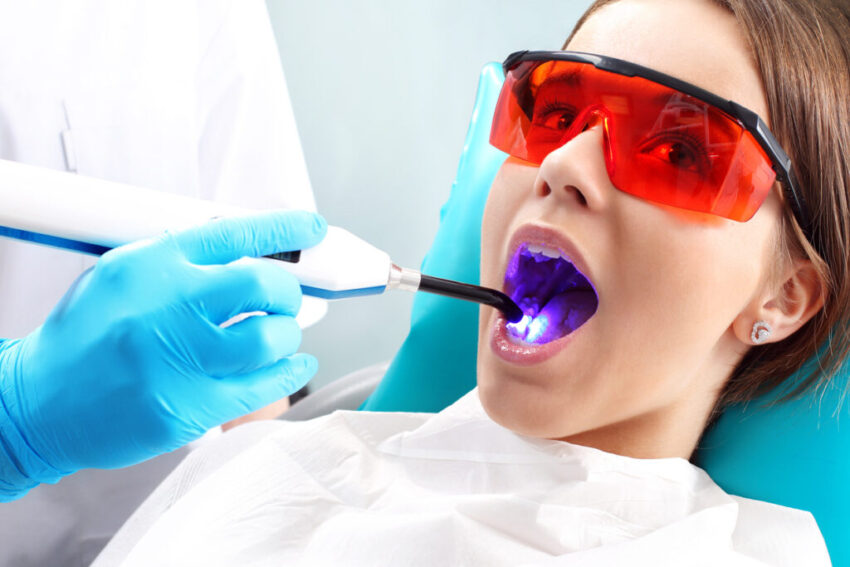
- Hardening the sealant with a curing light.
No drilling or anesthesia is usually required, making sealants an easy preventive treatment option.
Long-Lasting Results
Dental sealants are durable and can provide protection for several years.
Regular dental visits allow your dentist to monitor the condition of the sealants and recommend maintenance if necessary.
Cost-Effective Prevention
Preventing cavities is generally less expensive than treating them.
Sealants can help patients avoid future costs associated with:
- Fillings
- Crowns
- Root canals
- Tooth extractions
This makes sealants a smart investment in long-term oral health.
Why Children Benefit from Dental Sealants
Children are especially prone to cavities because their newly erupted permanent teeth often have deep grooves and because oral hygiene habits are still developing.
Dentists commonly recommend sealants for:
- First permanent molars
- Second permanent molars
- Cavity-prone teeth
Applying sealants early can help protect these teeth during critical developmental years and reduce the likelihood of decay.
Adults Can Benefit Too
Although dental sealants are frequently associated with pediatric dentistry, many adults can benefit from them as well.
Adults with:
- Deep grooves in their teeth
- No existing decay on molars
- Increased cavity risk
- Difficulty cleaning certain areas
may be excellent candidates for sealant treatment.
Sealants provide added protection and complement good oral hygiene practices.
Dental Sealants and Comprehensive Oral Care
While dental sealants are highly effective, they work best when combined with other preventive measures.
Patients should continue to:
- Brush twice daily with fluoride toothpaste
- Floss every day
- Eat a balanced diet
- Limit sugary snacks and beverages
- Attend regular dental appointments
Together, these habits create a strong foundation for long-term oral health.
Are Dental Sealants Safe?
Dental sealants have been used safely and successfully for many years.
Dental professionals widely recognize sealants as a safe, effective, and beneficial preventive treatment for patients of all ages. The materials used are designed to provide durable protection while maintaining patient comfort and safety.
Long-Term Oral Health Advantages
By preventing cavities before they develop, dental sealants help:
- Preserve natural tooth structure
- Reduce future dental treatment needs
- Lower the risk of tooth decay
- Support healthier smiles
- Improve overall oral health outcomes
Preventive treatments often lead to fewer dental problems and a more comfortable dental experience over time.
Conclusion
Dental sealants are an important part of preventive dentistry because they provide a simple yet highly effective defense against cavities. By protecting vulnerable tooth surfaces from plaque, bacteria, and food particles, sealants help preserve healthy teeth and reduce the need for future restorative treatments.
At Art Family Dental, we are committed to helping patients maintain strong, healthy smiles through proactive preventive care. If you or your child may benefit from dental sealants, our team can evaluate your oral health and recommend the best strategies for long-term cavity prevention and overall dental wellness.