
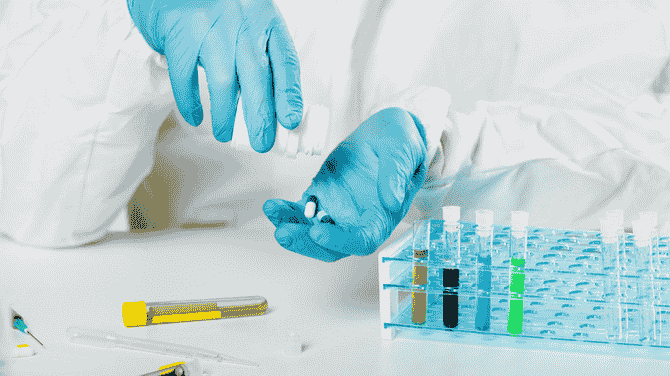
Biochemical Pharmacology of Drug Action is at the forefront of modern medical science, offering critical insights into how drugs interact with biological systems at the molecular level. As pharmaceutical innovation accelerates, understanding these biochemical mechanisms has become essential for developing safer and more effective therapies. This field bridges the gap between chemistry and biology, revealing how medications influence cellular processes and ultimately shape clinical outcomes.
For more info https://bi-journal.com/biochemical-pharmacology-drug-action/
Biochemical pharmacology explores how drugs affect living organisms through chemical interactions within cells and tissues. It focuses on the molecular basis of drug action, examining how compounds bind to receptors, alter enzyme activity, and influence signaling pathways. This scientific discipline plays a vital role in understanding both therapeutic effects and potential side effects. Insights shared in Business Insight Journal often highlight how advancements in this field are transforming healthcare and pharmaceutical strategies.
One of the central aspects of Biochemical Pharmacology of Drug Action involves receptor interactions. Drugs typically exert their effects by binding to specific receptors on the surface or inside cells. These receptors act as molecular switches that trigger biological responses when activated or inhibited. The specificity of this interaction determines the drug’s effectiveness and safety profile. BI Journal frequently discusses how precision targeting of receptors has led to the development of highly specialized treatments for various diseases.
Cellular responses to drug interactions are complex and multifaceted. Once a drug binds to a receptor, it can initiate a cascade of biochemical events within the cell. These events often involve second messengers and signaling molecules that amplify the drug’s effect. The outcome may include changes in gene expression, protein synthesis, or metabolic activity. Understanding these processes is essential for predicting how a drug will behave in different biological contexts.
Enzyme modulation is another critical component of biochemical pharmacology. Many drugs work by inhibiting or enhancing the activity of enzymes that regulate biochemical reactions. For example, enzyme inhibitors can block the production of harmful substances in the body, while activators can stimulate beneficial processes. This approach is widely used in the treatment of conditions such as cardiovascular diseases and infections. Business Insight Journal emphasizes how enzyme-targeting drugs have revolutionized therapeutic approaches across multiple medical fields.
Signal pathways play a crucial role in determining how drugs influence biological systems. These pathways consist of interconnected networks of proteins and molecules that transmit signals within cells. Drugs can modify these pathways by either enhancing or disrupting signal transmission. This can lead to desired therapeutic effects or unintended consequences depending on the context. BI Journal often explores how a deeper understanding of signaling networks is enabling researchers to design more precise and effective medications.
Drug metabolism and distribution are equally important in understanding the overall impact of a medication. Once administered, drugs undergo chemical transformations in the body, primarily in the liver. These metabolic processes can activate or deactivate the drug, influencing its efficacy and duration of action. Distribution refers to how the drug is transported throughout the body, reaching various tissues and organs. Factors such as blood flow, tissue permeability, and protein binding all play a role in this process.
Despite significant progress, challenges remain in the field of biochemical pharmacology. One major issue is the variability in individual responses to drugs. Genetic differences, environmental factors, and underlying health conditions can all influence how a person reacts to a medication. This variability makes it difficult to predict outcomes and highlights the need for personalized medicine. Business Insight Journal frequently addresses these challenges, emphasizing the importance of tailored therapeutic approaches.
Another challenge is the complexity of biological systems themselves. The intricate interactions between molecules, cells, and organs make it difficult to fully understand how drugs will behave in real-world scenarios. Unexpected side effects and drug interactions can arise, requiring continuous research and monitoring. Advances in technology, such as computational modeling and high-throughput screening, are helping to address these issues by providing more accurate predictions.
The future of Biochemical Pharmacology of Drug Action is closely tied to innovations in biotechnology and data science. Emerging techniques such as gene editing and molecular imaging are providing new ways to study drug interactions at an unprecedented level of detail. These advancements are expected to accelerate the development of targeted therapies and improve treatment outcomes. For professionals seeking deeper insights into these evolving trends, resources like Inner Circle : https://bi-journal.com/the-inner-circle/ offer valuable perspectives and updates.
In addition, the integration of artificial intelligence into pharmacological research is opening new possibilities. AI can analyze vast amounts of data to identify patterns and predict drug behavior more efficiently than traditional methods. This capability is particularly useful in drug discovery, where identifying potential candidates quickly can save time and resources. BI Journal continues to highlight how these technological advancements are reshaping the pharmaceutical landscape.
In conclusion, Biochemical Pharmacology of Drug Action provides a comprehensive framework for understanding how drugs interact with biological systems. From receptor binding and enzyme modulation to metabolism and signal pathways, this field encompasses the essential mechanisms that determine drug efficacy and safety. While challenges persist, ongoing research and technological innovations are paving the way for more precise and personalized treatments. As the field continues to evolve, it will remain a cornerstone of modern medicine and pharmaceutical development.
This news inspired by Business Insight Journal https://bi-journal.com/