
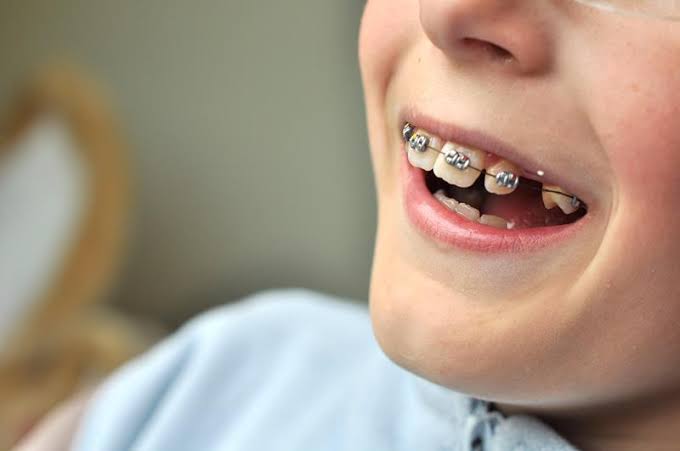
A healthy, well-aligned smile is an important part of a child’s overall oral health. If your child has crowded, crooked, or improperly positioned teeth,
Braces Treatment in Kolhapur can help improve tooth alignment and bite function. However, many parents are unsure about when orthodontic care should begin. The ideal timing depends on the child’s dental development, jaw growth, type of alignment problem, and individual treatment needs.
Orthodontic treatment is not based on age alone. Some children may benefit from early assessment, while others may need treatment later when most of their permanent teeth have erupted. Understanding the different stages of dental development can help parents make informed decisions about their child’s smile and oral health.
What Is Orthodontic Treatment?
Orthodontic Treatment in Kolhapur focuses on correcting the position of teeth and the relationship between the upper and lower jaws. It can help manage concerns such as crowding, spacing, overbite, underbite, crossbite, and other alignment issues.
Depending on the child’s condition, treatment may involve traditional braces, ceramic braces, clear aligners, expanders, retainers, or other orthodontic appliances.
The goal is not simply to create a straighter smile. Proper alignment can also make teeth easier to clean, improve chewing efficiency, support a balanced bite, and contribute to better long-term oral health.
What Is the Best Age to Get Braces for Children?
One of the most common questions parents ask is, “What is the best age to get braces for children?” There is no universal age that works for every child.
The American Association of Orthodontists recommends that children have their first orthodontic check-up by around age seven. At this stage, children typically have a mixture of baby and permanent teeth. An orthodontic examination can help identify potential problems with tooth eruption, spacing, crowding, or jaw development.
An early evaluation does not necessarily mean that braces will be placed immediately. In many cases, the orthodontist may recommend monitoring the child’s development and starting treatment later when the timing is more appropriate.
What Is the Right Age for Braces Treatment?
The right age for braces treatment depends on several factors, including the number of permanent teeth that have erupted and the type of orthodontic concern.
For many children, active treatment is commonly considered during late childhood or the teenage years. However, some problems may require intervention earlier, particularly when they involve jaw development, severe crowding, crossbite, or difficulties with the eruption of permanent teeth.
An orthodontist may consider:
-
Dental development
-
Jaw growth
-
Tooth eruption pattern
-
Severity of crowding or spacing
-
Bite relationship
-
Facial growth
-
Oral habits
-
Overall dental health
This individualized approach helps determine whether treatment should begin immediately or whether it is better to wait.
Braces Treatment for Children
Braces treatment for children may be recommended when there are noticeable problems with tooth alignment or jaw development.
Children can develop orthodontic concerns due to genetics, early loss of baby teeth, prolonged thumb-sucking, certain oral habits, or differences in jaw growth. In some cases, early intervention can help guide dental development and manage specific problems before they become more complicated.
For example, an orthodontist may recommend an appliance to create additional space, correct a developing bite issue, or influence jaw development. Such treatment is sometimes followed by a later phase of orthodontic care.
However, not every child needs early treatment. Some children have normal dental development and only require regular observation. Monitoring allows the dental team to determine the most suitable time for future intervention if it becomes necessary.
Braces Treatment for Teenagers
Teenage years are a common period for orthodontic care because many permanent teeth have erupted and the jaws may still be developing.
Braces treatment for teenagers can help address:
-
Crowded teeth
-
Crooked teeth
-
Gaps between teeth
-
Overbite
-
Underbite
-
Crossbite
-
Rotated teeth
-
Certain bite irregularities
Traditional metal braces are widely used for adolescents. Depending on the individual case, ceramic braces or clear aligners may also be considered.
Teenagers are generally able to participate more actively in their treatment. Maintaining good oral hygiene, attending scheduled appointments, following dietary recommendations, and using elastics or aligners as instructed can all contribute to successful treatment.
Signs That Your Child May Need an Orthodontic Check-Up
Parents may notice certain signs that suggest their child could benefit from an orthodontic assessment. These signs do not automatically mean that braces are required, but they are worth discussing with a dental professional.
Possible indicators include:
-
Teeth that overlap or appear crowded
-
Noticeable spaces between teeth
-
Difficulty biting or chewing
-
Teeth that do not meet correctly
-
Frequent cheek or palate biting
-
Jaw shifting when opening or closing the mouth
-
Difficulty cleaning certain areas because of tooth position
-
Premature or delayed loss of baby teeth
-
Persistent thumb-sucking or similar habits
-
Teeth that appear unusually prominent
A professional assessment can help determine whether the concern requires treatment, observation, or no orthodontic intervention.
Why Is Early Orthodontic Evaluation Important?
An early assessment gives parents an opportunity to understand how their child’s teeth and jaws are developing.
If an issue is detected, the orthodontist can monitor it over time and decide whether treatment would be beneficial. In selected cases, early intervention may help manage dental crowding, guide eruption, address certain bite problems, or support proper jaw development.
On the other hand, some children may not require treatment during the early years. Simply monitoring their development can be the most appropriate approach.
Therefore, an early consultation should not be viewed as an automatic recommendation for braces. Its primary purpose is to identify potential concerns and determine the most appropriate treatment timing.
How Long Does Orthodontic Treatment Take?
The length of orthodontic treatment varies from one patient to another. Simple alignment concerns may be corrected in a shorter period, while complex bite or jaw-related problems can require more time.
Treatment duration may depend on:
-
Complexity of the dental problem
-
Type of appliance used
-
Age and stage of dental development
-
Tooth movement required
-
Patient cooperation
-
Oral hygiene
-
Regularity of dental visits
-
Following orthodontic instructions
After examining the child, the orthodontist can provide an estimated treatment duration and explain the different stages involved.
What Happens During an Orthodontic Consultation?
During the first consultation, the dentist or orthodontist examines the child’s teeth, gums, bite, and jaw relationship. The dental team may also ask about previous dental treatment, oral habits, and the child’s overall dental history.
Depending on the situation, diagnostic records may include photographs, dental impressions or scans, and X-rays.
The assessment helps the orthodontist understand:
-
How the teeth are developing
-
Whether permanent teeth are erupting normally
-
Whether there is crowding or spacing
-
How the upper and lower jaws relate to each other
-
Whether early intervention could be helpful
-
When active orthodontic treatment may be appropriate
A customized plan can then be discussed with the parents.
Why Does Treatment Timing Matter?
Starting orthodontic treatment at the appropriate stage can make the treatment process more predictable. Certain dental and jaw problems can be easier to manage while a child is still growing, whereas other alignment concerns may be better treated after more permanent teeth have erupted.
Waiting too long may not always be ideal for certain developing problems, but starting treatment earlier than necessary may also not provide an advantage.
For this reason, parents should focus less on finding one specific age and more on having their child evaluated at the appropriate developmental stage.
Choosing a Family Dental Clinic in Kolhapur
Parents searching for a Family Dental Clinic in Kolhapur can look for a dental team that understands the different oral health needs of children, teenagers, and adults.
At SmyleXL Multispeciality Dental Clinic, children and teenagers can receive dental assessments based on their individual oral health and developmental requirements. Parents can discuss concerns related to tooth alignment, bite development, dental habits, and possible orthodontic care with the dental team.
If you are wondering “When should a child start braces treatment?”, the answer depends on the child’s specific dental and skeletal development. A professional evaluation can help determine whether treatment is needed now, should be considered later, or simply requires regular monitoring.
Frequently Asked Questions
What is the ideal age for braces treatment?
There is no single ideal age for every child. Many patients begin active orthodontic care during late childhood or adolescence, while certain conditions may require earlier intervention.
Can a seven-year-old child get braces?
Some children may require early orthodontic appliances or limited treatment at this age, but full braces are not automatically recommended. An assessment helps determine the most appropriate approach.
Is orthodontic treatment necessary for every child?
No. Some children have naturally well-aligned teeth and a healthy bite. Others may benefit from treatment depending on their dental development.
Can teenagers still get effective orthodontic treatment?
Yes. Adolescence is a common stage for orthodontic care, as many permanent teeth have erupted and the jaws may still be developing.
What if my child does not need treatment immediately?
The orthodontist may recommend periodic monitoring. This allows the dental team to observe tooth eruption and jaw development and identify the appropriate time for treatment if it becomes necessary.
Conclusion
The timing of orthodontic care should be based on the individual child rather than a specific number of years. An early assessment can identify developing concerns, while the decision to begin active treatment depends on tooth eruption, jaw growth, bite, and overall dental development.
Whether your child is in the early stages of mixed dentition or is already a teenager, a professional orthodontic evaluation can help determine the most appropriate next step. With timely assessment and personalized planning, children can receive the care they need for improved tooth alignment, bite function, and long-term oral health.
Source : Smylexl.com