

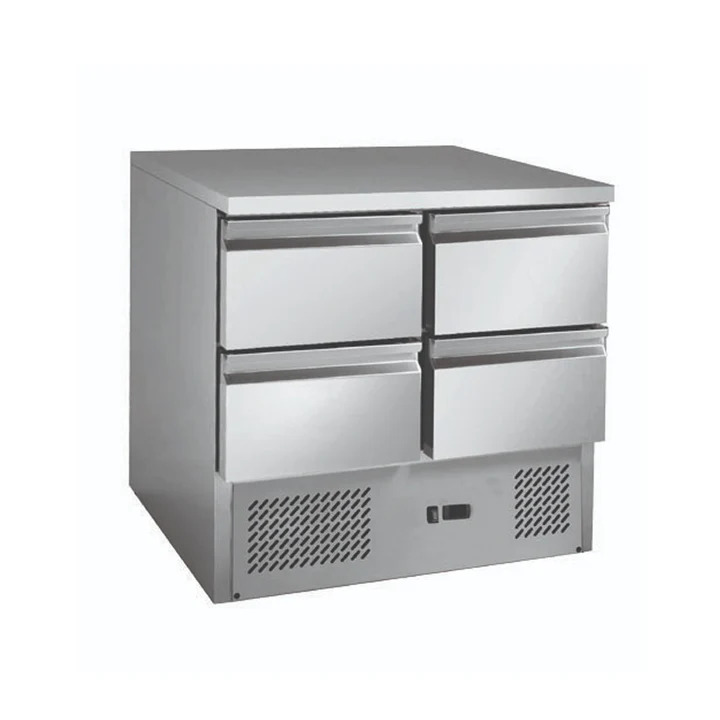
Mattys helps hospitality businesses find equipment and supplies suited to the demands of professional food service environments. Restaurants, cafés, hotels, catering companies, and other commercial kitchens depend on reliable equipment to prepare food efficiently and maintain consistent service standards. Choosing the right restaurant kitchen cooking equipment can improve kitchen workflow, support food quality, and help staff manage busy service periods. At the same time, sourcing dependable commercial kitchen supplies Sydney businesses need can make it easier to maintain an organized, productive, and professional kitchen.
1. Understanding Restaurant Kitchen Requirements
A commercial kitchen needs more than basic cooking appliances. It requires a combination of preparation equipment, refrigeration, storage, cleaning facilities, and practical utensils to support daily operations.
Every food business has different requirements. A small café may need compact cooking appliances and preparation benches, while a large restaurant may require multiple cooking stations, high-capacity refrigeration, and specialized equipment.
Before purchasing equipment, business owners should consider their menu, expected customer volume, kitchen layout, available space, and staffing needs. Planning around these factors can help avoid unnecessary purchases and create a more efficient working environment.
2. Choosing the Right Restaurant Kitchen Cooking Equipment
Selecting suitable restaurant kitchen cooking equipment is essential for preparing food consistently and managing service efficiently. Commercial cooking appliances are designed for professional environments where equipment may be used repeatedly throughout the day.
Depending on the menu, a restaurant may require:
-
Commercial ovens
-
Cooktops and ranges
-
Grills and griddles
-
Deep fryers
-
Commercial microwaves
-
Food warmers
-
Steam cooking equipment
-
Specialized appliances for particular cuisines
Each piece of equipment serves a different purpose. Restaurants should select appliances based on cooking methods, production requirements, energy considerations, and available workspace.
3. Matching Equipment to Your Menu
The menu should guide kitchen equipment decisions. A restaurant specializing in grilled dishes may need suitable grills and ventilation, while a bakery or café may require ovens, mixers, and baking accessories.
Businesses serving a varied menu may need several types of cooking appliances to prepare different dishes at the same time.
Choosing equipment that matches the menu can help reduce unnecessary movement between workstations and support a smoother cooking process. It is also important to consider future menu changes and whether the selected equipment can accommodate new requirements.
4. Commercial Kitchen Supplies Sydney Businesses Need
Finding appropriate commercial kitchen supplies Sydney businesses can rely on is an important part of setting up or maintaining a professional kitchen.
Commercial kitchen supplies include many everyday items used by chefs, kitchen assistants, and food preparation staff. These supplies support cooking, preparation, serving, storage, and cleaning.
Common requirements include:
-
Pots, pans, and cookware
-
Knives and cutting boards
-
Mixing bowls and measuring tools
-
Food preparation utensils
-
Storage containers
-
Trays and baking accessories
-
Serving equipment
-
Cleaning tools and accessories
Keeping essential supplies organized helps staff work efficiently and reduces interruptions during busy periods.
5. Food Preparation Equipment for Better Workflow
Food preparation is a major part of restaurant operations. Before cooking begins, staff may need to wash, peel, cut, mix, portion, and organize ingredients.
Suitable preparation equipment can help streamline these tasks and maintain an orderly workspace.
Depending on the business, useful equipment may include food processors, commercial mixers, slicers, preparation benches, cutting boards, and ingredient containers.
Restaurants should consider how ingredients move from storage to preparation and then to cooking stations. Organizing equipment around this workflow can reduce unnecessary movement and make better use of available space.
6. Refrigeration and Food Storage
Refrigeration is essential for businesses handling perishable ingredients. Commercial kitchens may require upright refrigerators, under-counter units, freezers, display refrigeration, or other storage solutions depending on their operations.
When choosing refrigeration equipment, businesses should consider storage capacity, temperature requirements, accessibility, and available floor space.
Organized storage can help staff locate ingredients quickly and support established food safety procedures. Equipment should be selected and maintained according to the food business’s operational requirements and applicable Australian food safety guidance.
7. Stainless Steel Equipment and Preparation Benches
Stainless steel is widely used in commercial kitchens because it is durable and generally easy to clean when maintained properly.
Stainless steel benches, sinks, shelving, and worktables can support food preparation and help create a professional workspace.
When planning a kitchen, business owners should consider bench height, available working space, storage access, and the distance between preparation and cooking areas.
A well-planned layout helps staff work comfortably and keeps frequently used supplies within easy reach.
8. Maintaining Cleanliness and Hygiene
Cleanliness is essential in every commercial food service environment. Kitchens need appropriate cleaning supplies, washing facilities, and procedures to keep work surfaces, utensils, and equipment hygienic.
Commercial dishwashers, sinks, racks, cleaning accessories, and suitable storage systems can support these daily responsibilities.
Businesses should establish cleaning schedules and ensure staff understand how equipment and food-contact surfaces should be cleaned and maintained.
Selecting practical supplies for cleaning and sanitation helps make these tasks easier to organize during busy service periods.
9. Making the Most of Kitchen Space
Kitchen space can influence productivity, especially in restaurants operating from compact premises. Poorly arranged equipment may create congestion and make it harder for employees to move safely.
Before purchasing equipment, measure the available space and identify the main working zones. These may include receiving, storage, preparation, cooking, plating, washing, and waste handling.
Where possible, keep related tasks close together and ensure staff have sufficient space to work. Equipment placement should also account for ventilation, power requirements, plumbing, access, and applicable safety regulations.
10. Buying Equipment for Long-Term Value
Price is an important factor when purchasing commercial kitchen equipment, but it should not be the only consideration. Equipment must suit the workload and operational demands of the business.
Business owners should review durability, ease of cleaning, energy consumption, maintenance needs, warranty conditions, and the availability of servicing or replacement parts.
A lower-cost appliance may not provide the best overall value if it cannot handle the expected workload. Comparing specifications and considering long-term operating costs can help businesses make informed purchasing decisions.
11. Equipment for Different Hospitality Businesses
-
Different hospitality businesses require different combinations of equipment and supplies.
-
Restaurants may need high-capacity cooking appliances, refrigeration, cookware, and preparation benches.
-
Cafés may require compact cooking equipment, beverage preparation tools, refrigeration, and food display solutions.
-
Catering businesses may need equipment that supports large-volume preparation, food holding, transport, and event service.
-
Hotels and commercial kitchens may require a wider selection of appliances and supplies to support multiple menus and service periods.
Understanding the specific requirements of the business helps ensure that equipment purchases support daily operations.
12. Planning a New Kitchen or Upgrading an Existing One
Opening a new restaurant or renovating an existing kitchen requires careful coordination. Business owners should prepare an equipment list based on the menu, staffing levels, service style, and budget.
It is useful to prioritize essential appliances first, followed by preparation equipment, storage, cookware, utensils, and cleaning supplies.
Existing kitchens may benefit from upgrades when equipment becomes unreliable, production requirements increase, or the menu changes. Replacing equipment strategically can improve workflow without requiring a complete renovation.
13. Why Choose Mattys?
Mattys serves hospitality businesses looking for equipment and supplies to support professional kitchen operations. Restaurants and food service operators can assess their requirements and explore equipment options suited to their menus, available space, and operational demands.
When sourcing restaurant kitchen cooking equipment, businesses should look for solutions that support dependable preparation and efficient service. Similarly, access to suitable commercial kitchen supplies Sydney businesses require can help maintain an organized and functional kitchen.
Planning purchases around actual needs helps hospitality operators make better use of their budget and kitchen space.
14. Creating an Efficient Commercial Kitchen
An efficient commercial kitchen combines appropriate equipment, organized storage, well-planned workstations, and consistent operating procedures.
Business owners should review the kitchen regularly to identify bottlenecks, worn equipment, missing supplies, and opportunities to improve workflow.
Staff feedback can also help identify practical changes. Employees who use the equipment every day often understand which tools make tasks easier and where unnecessary delays occur.
Regular maintenance and organized supply management can further support reliable kitchen operations.
Conclusion
Choosing the right restaurant kitchen cooking equipment is essential for food quality, productivity, and consistent service. From ovens and grills to refrigeration and preparation tools, every item should match the kitchen’s menu, workload, and available space.
Reliable commercial kitchen supplies Sydney businesses need are equally important for maintaining organized preparation areas and supporting daily food service operations. Mattys helps hospitality businesses explore equipment and supply options suited to professional kitchens. With careful planning, suitable equipment, and regular maintenance, restaurants and other food service businesses can build a more efficient kitchen that supports their long-term goals. For more visit us!