
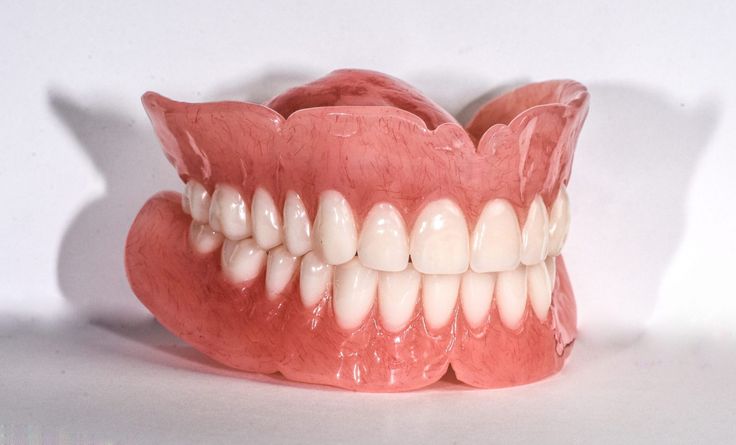
Losing all natural teeth can affect much more than your smile. It can make chewing difficult, change the way you speak, and sometimes make you less confident in social situations. Complete dentures in Navi Mumbai can offer a practical way to replace a full set of missing teeth and restore everyday oral function.
However, getting dentures is not simply about choosing artificial teeth. Their comfort, stability, appearance, and overall performance depend on several factors, including the condition of your gums and jawbone, the quality of the denture design, and how well the dentures are adjusted to your mouth.
If you are considering complete denture treatment, understanding these factors can help you make a more informed decision.
What Are Complete Dentures?
Complete dentures are removable dental appliances designed to replace all the teeth in either the upper or lower jaw. They are custom-made to fit the shape of your mouth and are generally supported by the gums and underlying oral tissues.
Unlike partial dentures, which replace only some missing teeth, complete dentures are intended for people who have lost all or nearly all teeth in one dental arch.
A dentist first examines your oral health and evaluates factors such as gum condition, jawbone structure, bite, and facial appearance before planning the treatment.
What Affects the Comfort of Complete Dentures?
Comfort is one of the most important concerns for people considering dentures. Properly designed dentures should feel reasonably comfortable once you have adapted to them.
Several factors influence this experience.
1. Accurate Fit
A denture that does not fit properly may move while eating or speaking. It can also create pressure points that cause gum irritation or soreness.
During complete denture treatment, accurate impressions and measurements help the dental team create dentures that correspond more closely to the shape of your mouth.
Even well-made dentures may require minor adjustments after you begin wearing them. This is normal and helps improve comfort.
2. Changes in the Jawbone and Gums
After natural teeth are removed, the jawbone gradually changes because it no longer receives stimulation from tooth roots. The shape of the gums and supporting tissues can also change over time.
These changes may affect how well an existing denture fits. A denture that once felt stable may eventually become loose.
Regular dental check-ups can help identify these changes and determine whether an adjustment, relining, or replacement is appropriate.
3. Denture Design and Materials
The materials and design used for dentures can influence their weight, appearance, durability, and comfort.
A dentist considers the patient’s individual requirements rather than using a one-size-fits-all approach. The shape and size of the artificial teeth, the arrangement of the teeth, and the design of the denture base can all affect how the final denture feels and functions.
How Does Denture Fit Affect Everyday Activities?
The main purpose of dentures is to help you return to everyday activities with greater confidence.
Eating
New denture wearers often need time to adjust to chewing with artificial teeth. Initially, softer foods may be easier to manage. Cutting food into smaller pieces and chewing slowly on both sides of the mouth can also help.
It is important to remember that dentures do not function exactly like natural teeth. Some foods may remain more challenging, particularly very hard, sticky, or chewy foods.
Speaking
Speech may feel slightly different when you first receive dentures. Your tongue and oral muscles need time to adapt to the new appliance.
Reading aloud and practising conversations can help you become comfortable with speaking again. If speech difficulties continue, your dentist can check whether the denture requires adjustment.
Smiling and Facial Appearance
Well-designed dentures should complement your facial appearance rather than simply replace missing teeth.
The dentist considers factors such as tooth size, shape, colour, lip support, and overall facial proportions when planning the restoration. These details can make the result look more natural.
Why Professional Evaluation Matters
If you are searching for complete dentures near Navi Mumbai, it is important not to choose dentures based only on price or appearance.
A professional dental evaluation helps determine whether conventional complete dentures are appropriate for you. Your dentist can also discuss other tooth-replacement options if they may provide better stability based on your oral condition.
Patients with significant changes in their gums or jawbone may need additional planning before their dentures are fabricated.
Choosing an experienced dentist near Navi Mumbai can also make a difference because follow-up care is an important part of successful denture treatment.
Caring for Your Complete Dentures
Good maintenance can help keep dentures comfortable and hygienic.
- Remove and clean your dentures regularly as advised by your dentist.
- Rinse them after meals when possible.
- Use a denture-cleaning method recommended by your dental professional.
- Handle dentures carefully to avoid accidental damage.
- Keep them appropriately moist when they are not being worn, according to your dentist’s instructions.
- Maintain good oral hygiene even if you no longer have natural teeth.
- Visit your dentist regularly for examination and adjustments.
Avoid trying to reshape or repair dentures yourself. An apparently small modification can affect the fit and your bite.
Choosing Denture Treatment in Navi Mumbai
When considering denture treatment in Navi Mumbai, look for a dental clinic that focuses on proper diagnosis, customised treatment planning, realistic expectations, and follow-up care.
A best dental clinic in Navi Mumbai for your needs is not necessarily the one making the biggest claims. Instead, consider whether the dentist takes time to understand your concerns, explains the available options clearly, checks the fit properly, and provides support after the dentures are delivered.
The goal should be more than simply replacing missing teeth. Good denture treatment should aim to help you eat, speak, and smile more comfortably in everyday life.
Frequently Asked Questions
1. How long does it take to get used to complete dentures?
Adjustment varies from person to person. Some people become comfortable within a few weeks, while others may need longer. Eating, speaking, and wearing the dentures regularly as advised can help with adaptation.
2. Can complete dentures feel completely like natural teeth?
Dentures can restore important functions, but they do not feel exactly like natural teeth. Most people need an adjustment period, and certain foods may remain more difficult to chew.
3. Why do my dentures feel loose after some time?
Changes in the gums and jawbone can gradually affect the fit of dentures. Your dentist may recommend an adjustment, relining, or replacement depending on the condition of the denture and supporting tissues.
4. How often should complete dentures be checked?
There is no single schedule that applies to everyone. Regular dental examinations allow your dentist to assess the denture, gums, bite, and oral tissues and identify problems before they become more troublesome.
5. Are complete dentures suitable for everyone?
Complete dentures can be suitable for many people with extensive tooth loss, but the right option depends on individual oral health, bone and gum conditions, expectations, and lifestyle. A dental examination is the best way to determine the appropriate treatment.
Final Thoughts
Comfortable dentures depend on more than the denture itself. Fit, oral health, jawbone changes, materials, design, bite, and regular follow-up can all influence how successfully you use them.
If you are considering complete dentures in Navi Mumbai, discuss your concerns openly with a qualified dentist. Understanding the treatment process and having realistic expectations can make the transition to dentures smoother and help you get the most from your new smile.
Article Source : pr3-articles.com