
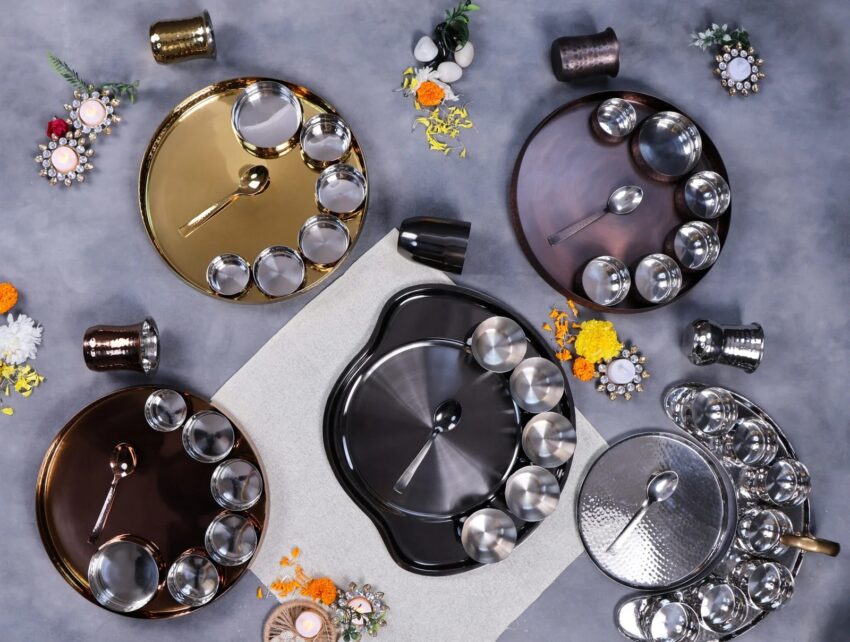
Commercial dinnerware sets are used by hotels, restaurants, catering businesses, banquet facilities, and other professional food service operations. Since these products are used frequently, businesses need to consider more than appearance when making a purchase. Material quality, durability, size, service requirements, storage, quantity, and replacement needs all play an important role.
What Are Commercial Dinnerware Sets?
Commercial dinnerware sets are groups of tableware selected for regular food service. Depending on the business, a set may include dinner plates, side plates, bowls, and other serving pieces.
The exact selection depends on the menu and service style. A restaurant serving full meals may need several plate and bowl sizes, while a catering business may focus on products that are easy to handle, transport, and store.
Choose Dinnerware Based on the Menu
The menu should be one of the first considerations when selecting dinnerware. Different foods require different shapes, sizes, and depths.
For example, deeper bowls are useful for soups and foods with sauces, while wider plates provide more space for complete meals. Serving platters and bowls are useful for shared dishes and buffet service.
Before purchasing, consider:
- Main dishes being served
- Portion sizes
- Individual or shared service
- Food presentation
- Sauces and gravies
- Buffet or table service
Choosing products according to the menu helps prevent unnecessary purchases.
Consider Material and Durability
Commercial dinnerware is handled much more frequently than tableware used occasionally. Plates and bowls may be washed, stacked, transported, and returned to service several times a day.
Stainless steel is commonly used for commercial tableware because it can provide durability and support repeated use when the appropriate grade and construction are selected.
When evaluating stainless steel dinnerware, check the material grade, thickness, construction, weight, finish, and suitability for the intended service environment.
Plan Quantities According to Guest Volume
The number of seats does not always determine how many dinnerware pieces a business needs. Guest turnover, service periods, and washing time also affect the required quantity.
A restaurant serving breakfast, lunch, and dinner may need considerably more stock than a similar-sized restaurant with only one service period.
A practical inventory can include:
Core stock: Required for normal daily service.
Reserve stock: Extra pieces for busy periods or slower washing cycles.
Replacement stock: Additional pieces for damaged, broken, or missing items.
The exact quantity should be based on actual usage and operating conditions.
Standardize Frequently Used Items
Standardizing dinnerware can simplify purchasing and inventory management. Businesses can establish preferred sizes, materials, finishes, and specifications for commonly used products.
This becomes especially useful when replacement pieces are required. Consistent specifications help businesses maintain a uniform table setting and make future purchasing easier.
For example, a restaurant may standardize its dinner plates and side plates while selecting different bowls according to the menu.
Consider Storage and Handling
Storage is an important part of bulk dinnerware purchasing. A large order requires enough space for safe and organized storage.
Before placing an order, check shelf dimensions and available storage areas. Stackable products can help save space, while lighter products may be easier for staff to handle during busy service.
Frequently used items should be easy to access. Reserve stock can be stored separately to prevent unnecessary movement during daily operations.
Compare Quality and Price
Price matters, but the lowest price does not always provide the best value. Dinnerware that needs frequent replacement can increase the total purchasing cost over time.
When comparing commercial dinnerware sets, consider:
| Factor | What to check |
|---|---|
| Material | Grade and construction |
| Size | Suitability for the menu |
| Durability | Ability to handle regular use |
| Weight | Ease of handling |
| Price | Overall purchase cost |
| Availability | Bulk and repeat-order support |
| Lead time | Expected delivery period |
Looking at these factors together gives procurement teams a clearer basis for comparison.
Plan for Future Requirements
Dinnerware purchasing should also consider future needs. Businesses may expand seating, open new outlets, increase event capacity, or experience seasonal increases in demand.
Keep records of product specifications, including size, material, finish, quantity, and supplier information. These details make repeat orders easier and help ensure that replacement products match existing stock.
Commercial Dinnerware Buying Checklist
Before placing an order, check:
-
Products match the menu
-
Required sizes are confirmed
-
Material specifications are clear
-
Guest volume has been considered
-
Peak demand has been reviewed
-
Storage space is available
-
Reserve stock has been planned
-
Replacement needs have been considered
-
Lead time is confirmed
-
Repeat-order availability is understood
Key takeaway: Good commercial dinnerware should match the food service operation, support frequent use, fit available storage, and remain practical to replace or reorder.
Conclusion
Choosing commercial dinnerware sets requires more than comparing designs and prices. Businesses should consider their menu, guest volume, service style, material requirements, storage capacity, and future replacement needs.
A practical purchasing plan helps hotels, restaurants, caterers, and other food service businesses maintain suitable tableware for daily operations while avoiding unnecessary inventory.
Looking for commercial dinnerware for your hotel, restaurant, or catering business? Contact us to discuss your bulk tableware requirements and find suitable options for your service needs.
Frequently Asked Questions
What are commercial dinnerware sets used for?
They are used in professional food service operations such as hotels, restaurants, catering businesses, banquet facilities, and institutional dining.
How do I choose the right commercial dinnerware?
Consider the menu, portion sizes, guest volume, service style, material, storage space, washing process, and expected frequency of use.
Are stainless steel dinnerware sets suitable for restaurants?
Stainless steel can be suitable for restaurants because it can provide durability and support repeated commercial use when the appropriate grade and construction are selected.
Should commercial dinnerware be purchased in bulk?
Bulk purchasing can be useful for businesses with regular high-volume requirements. Quantities should be based on actual usage, service cycles, storage capacity, and replacement needs.
What should I check before ordering dinnerware?
Check material, dimensions, quality, quantity, price, minimum order requirements, lead time, packaging, and future replacement availability.