
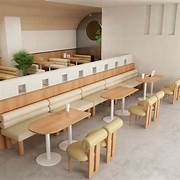
Custom Restaurant Furniture Suppliers provide specialized furniture solutions designed around the layout, concept, branding, and operational requirements of restaurants. Unlike standard furniture, customized tables, chairs, booths, counters, bar stools, and storage units can be manufactured according to specific dimensions, materials, finishes, and design preferences. This flexibility helps restaurant owners create dining spaces that are both visually distinctive and practical for everyday operations.
Material selection is equally important when planning Home Furniture and commercial furniture. The appropriate combination of wood, plywood, metal, laminate, upholstery, or other materials can influence durability, maintenance, comfort, and appearance. Commercial restaurant furniture must withstand frequent use, spills, cleaning, and regular movement, so material choices should be based on the restaurant’s operating conditions.
Understanding Custom Restaurant Furniture
Custom restaurant furniture is developed according to the specific requirements of a dining establishment. Suppliers can work from architectural drawings, interior design concepts, measurements, sketches, or reference images to create furniture that fits the available space.
This approach is particularly useful when a restaurant has an unusual floor plan, specific seating requirements, or a distinctive interior theme. Customized furniture can be manufactured to make efficient use of available space without compromising customer comfort.
Furniture Designed Around the Restaurant Concept
Every restaurant has a different identity. A luxury restaurant may require elegant upholstered seating and premium wood finishes, while a contemporary café may prefer minimalist metal frames and compact tables.
Custom furniture suppliers can coordinate shapes, colours, textures, materials, and finishes with the restaurant’s overall design concept. This creates a more consistent environment where furniture becomes part of the brand experience.
Durable Materials for Commercial Use
Restaurant furniture experiences considerably more frequent use than many residential furniture pieces. Chairs are repeatedly moved, tables are cleaned between customers, and surfaces are exposed to food, beverages, and cleaning products.
Steel, aluminum, solid wood, plywood, laminate, and commercial upholstery are among the materials used for restaurant furniture. The best combination depends on traffic levels, indoor or outdoor use, maintenance requirements, and the desired aesthetic.
Customized Restaurant Tables
Tables can be manufactured in different shapes and sizes according to the restaurant’s seating plan. Two-seater tables can support flexible arrangements, while larger rectangular tables can accommodate families and groups.
Tabletop materials can include solid wood, plywood with suitable finishes, HPL or laminate, stone, compact laminate, and other commercial-grade options. High-use restaurants often prioritize surfaces that are easy to clean and resistant to everyday wear.
Comfortable and Attractive Seating
Restaurant chairs need to combine comfort, stability, and visual appeal. Custom suppliers can develop chairs with different frame materials, seat shapes, upholstery, backrest profiles, and finishes.
Commercial upholstery should be selected according to expected usage and cleaning requirements. Easy-clean materials can be particularly useful in high-turnover dining environments where chairs may require frequent maintenance.
Booths and Banquette Seating
Customized booths and banquette seating can make efficient use of wall areas while creating a distinctive restaurant atmosphere. They can be designed according to the available length, seating capacity, table dimensions, and interior theme.
Upholstery colours and textures can also be coordinated with wall finishes, lighting, flooring, and other furniture. Built-in seating can be especially useful in restaurants that want to maximize seating while maintaining defined dining zones.
Bar and Café Furniture
Restaurants with bars or café-style areas may require specialized furniture such as bar stools, high tables, counters, and compact seating.
Custom manufacturing allows the height, seat dimensions, frame design, and finishes to be coordinated with the counter and overall interior. For outdoor cafés and terraces, lightweight and corrosion-resistant materials may be preferable depending on environmental conditions.
Space Optimization
Restaurant layouts need to balance seating capacity with comfortable circulation. Oversized furniture can restrict movement, while poorly planned tables can make service difficult.
Custom furniture allows dimensions to be adjusted according to the floor plan. Tables, booths, chairs, counters, and storage units can be positioned to support customer movement and staff workflows.
Branding Through Furniture
Furniture can contribute significantly to a restaurant’s visual identity. Custom designs can incorporate brand colours, distinctive shapes, logo details, signature materials, or specific finishes.
For restaurant chains, suppliers can also reproduce approved designs across multiple locations. Maintaining consistent furniture styles can help create a recognizable customer experience across different branches.
Quality Manufacturing
The final performance of custom restaurant furniture depends on manufacturing quality. Accurate measurements, strong joints, appropriate hardware, suitable surface treatments, and careful finishing all contribute to durability.
Before placing a large order, restaurant owners can request samples or prototypes to evaluate dimensions, comfort, materials, colour, finish, and construction quality. This is particularly useful for projects involving large quantities of furniture.
Maintenance and Long-Term Value
Restaurant furniture should be selected with maintenance in mind. Easy-clean surfaces, durable finishes, replaceable components, and suitable upholstery can help simplify ongoing maintenance.
Choosing furniture based on expected traffic and cleaning requirements can also help reduce premature replacement. Commercial furniture guidance emphasizes balancing durability, maintenance, appearance, and cost rather than selecting materials based on aesthetics alone.
Choosing Custom Restaurant Furniture Suppliers
Before selecting Custom Restaurant Furniture Suppliers, businesses should evaluate their design capabilities, manufacturing facilities, material options, finishing quality, customization flexibility, production capacity, delivery services, installation support, and after-sales assistance.
It is also useful to review previous commercial projects and inspect physical samples. A supplier who understands restaurant-specific requirements can provide better guidance on materials, dimensions, comfort, durability, and maintenance.
Conclusion
Custom Restaurant Furniture Suppliers help restaurants create furniture solutions that are tailored to their space, brand identity, customer experience, and operational requirements. From dining tables and chairs to booths, bar stools, counters, and specialized storage, customized furniture can combine aesthetics with practical commercial performance.
By selecting appropriate materials, accurate dimensions, durable finishes, comfortable designs, and reliable manufacturing, restaurant owners can create interiors that remain attractive and functional under everyday use. With the right supplier, custom furniture becomes more than a furnishing choice—it becomes an important part of the restaurant’s overall design and customer experience.