
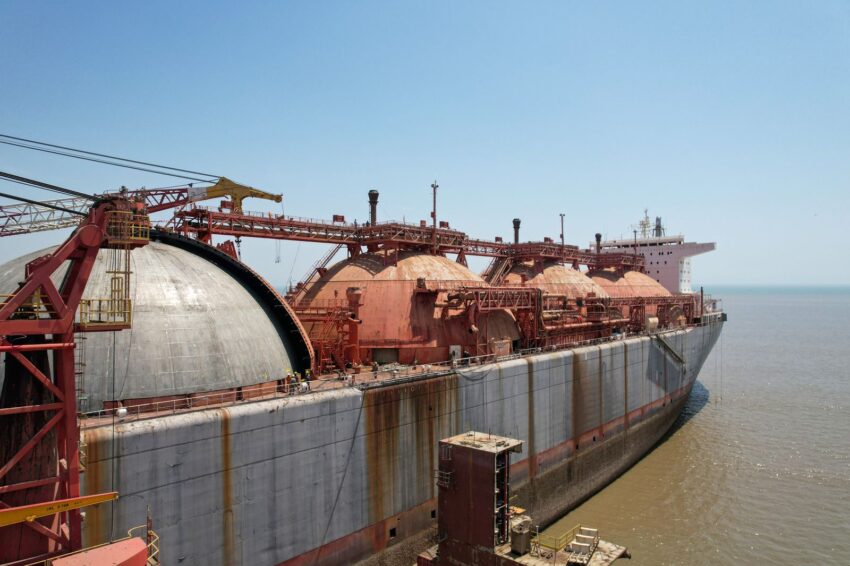
When a vessel reaches the end of its trading life, where it gets dismantled matters just as much as who buys it. The industry has come a long way from the days when “recycling a ship” simply meant beaching it and stripping it for parts with little oversight. Green ship recycling has emerged as the standard that responsible owners, regulators, and financiers now expect — and understanding how it works is essential before signing any sale agreement.
Here’s a practical look at what green ship recycling involves, how the world’s major ship breaking yards stack up against each other, and what role a green ship recycling company plays in tying it all together.
Defining Green Ship Recycling
At its core, green ship recycling means dismantling a vessel in a way that limits environmental damage and protects the people doing the work. This isn’t a marketing label — it’s a certified status, awarded after independent audits by classification societies confirm that a yard meets defined engineering, safety, and environmental benchmarks, most commonly under the Hong Kong Convention (HKC).
A certified green yard will have:
- Impermeable, engineered surfaces to prevent soil and water contamination
- Documented procedures for removing and disposing of hazardous materials such as asbestos and oily waste
- Trained labor with proper safety equipment
- Verifiable audit trails, including Statements of Completion for each vessel processed
Comparing the World’s Major Ship Breaking Yards
Ship recycling activity is concentrated in four main regions, and each has taken a very different path toward environmental compliance.
India — Alang, Gujarat Alang is home to roughly 124 shipyards, and about 90 of them now operate as certified green yards under HKC compliance. Certification comes from recognized classification bodies including Class NK, RINA Class, and the Indian Register of Shipping. Yard sea fronts range from 30 to 120 meters, and the region continues to push toward higher standards. Priya Blue Industries Pvt Ltd holds a notable distinction here — it was the first yard in Alang certified by Class NK under HKC, and it’s also audited under the EU Ship Recycling Regulation for whitelist status, confirmed by Lloyd’s Register.
Bangladesh — Chattogram Chattogram has around 117 yards, with 40 currently active — but only 4 are HKC-approved so far. The market here is still largely non-green, though industry expectations point toward broader HKC compliance within the next four to five years.
Pakistan — Gadani Gadani has roughly 100 yards, about 54 of which are operational. None are currently HKC-certified, though several recyclers have applied and are optimistic about approval.
Türkiye — Aliağa Turkey’s 25 recycling yards, each around 55 meters wide, use a distinctive “landing method” — the vessel’s bow is grounded on shore while the stern remains afloat, and blocks are lifted by crane onto a drained, impermeable working area. Nine of these facilities are on the EU’s approved list of ship recycling yards.
| Region | HKC-Certified Yards | Key Distinction |
|---|---|---|
| Alang, India | ~90 of 124 | Most mature green recycling infrastructure; EU-SRR whitelisted yards present |
| Chattogram, Bangladesh | 4 of 40 active | Compliance improving, still developing |
| Gadani, Pakistan | 0 (applications pending) | No certified yards yet |
| Aliağa, Türkiye | 9 on EU approved list | Unique landing method; strong EU alignment |
The Role of a Green Ship Recycling Company
Ship owners rarely deal with a yard directly — and for good reason. Negotiating across borders, verifying yard certifications, managing hazardous materials documentation, and structuring payment terms is a specialized job. This is where a green ship recycling company comes in.
Rather than simply matching buyer and seller, a proper green ship recycling company manages the full lifecycle of the transaction:
- Valuing the vessel based on light displacement tonnage and market rates
- Vetting and selecting only HKC-compliant, certified yards
- Preparing Inventory of Hazardous Materials (IHM) documentation
- Structuring transparent, upfront-payment contracts
- Confirming final compliance through Statements of Completion
This end-to-end accountability is what separates a trustworthy partner from a middleman simply chasing commission.
Why Owners Can No Longer Treat This as an Afterthought
Regulatory pressure and stakeholder expectations have shifted the calculus. Financiers, charterers, and flag states increasingly expect documented proof that a vessel was dismantled responsibly — particularly for EU-flagged ships, which must be recycled at EU-SRR whitelisted facilities. Choosing a non-compliant ship breaking yard doesn’t just carry environmental risk; it can create liability and reputational exposure for the seller long after the transaction closes.
Final Thoughts
The gap between the industry’s best and worst yards is still significant, but the trajectory is unmistakable: certification, documentation, and transparency are becoming baseline requirements rather than differentiators. For any owner preparing to retire a vessel, partnering with an experienced green ship recycling company — one that only works with certified ship breaking yards — is the clearest path to a transaction that holds up under scrutiny, both today and years down the line.