
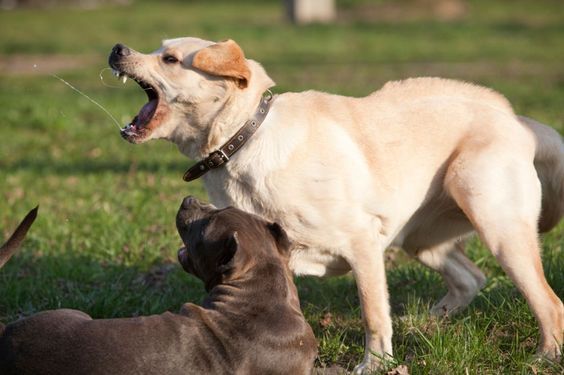
dog aggression toward other dogs is one of the most discussed behavioral challenges among pet owners across the United States, especially in busy neighborhoods, parks, and urban walking routes. Many dog owners feel stressed or confused when their pet suddenly reacts aggressively toward another dog without any obvious reason. In reality, dog aggression toward other dogs is usually a result of communication breakdown, environmental pressure, or emotional imbalance rather than pure hostility. In the USA, where dogs frequently interact in public spaces, understanding this behavior is essential for safe and peaceful outings. With guidance from trusted platforms like petsoulcare, owners can learn practical ways to manage behavior and reduce conflict in daily life.
Understanding Core Behavior Behind Dog Aggression Toward Other Dogs
dog aggression toward other dogs is deeply connected to how dogs interpret their surroundings and communicate with other animals. Dogs rely heavily on body language, scent, and energy rather than verbal cues, which often leads to misunderstandings. In many American households, owners notice that dog aggression toward other dogs appears suddenly during walks or social encounters, but this behavior is often building up internally over time. Stress, excitement, or confusion can trigger reactions that seem aggressive but are actually communication attempts. Understanding this behavioral foundation helps owners see that dog aggression toward other dogs is not random but rooted in instinct and learned experiences.
Dog Reactivity Causes and Dog Aggression Toward Other Dogs
dog aggression toward other dogs is often influenced by dog reactivity causes that include overexcitement, anxiety, or lack of exposure to other animals. Reactive dogs tend to respond quickly and intensely to external stimuli, especially when they feel overwhelmed. In the USA, busy environments with constant movement and noise can increase these reactions significantly. Dog reactivity causes often overlap with emotional triggers, making behavior appear more intense than it actually is. When owners understand dog reactivity causes, they can better manage dog aggression toward other dogs by reducing exposure to triggers and improving emotional control through training.
Canine Territorial Aggression and Dog Aggression Toward Other Dogs
dog aggression toward other dogs is commonly linked to canine territorial aggression, where dogs feel the need to protect their space, home, or even their owner. This is especially noticeable in suburban American homes where dogs can see other animals passing by frequently. Canine territorial aggression causes dogs to bark, growl, or block access when another dog enters perceived boundaries. In many cases, dog aggression toward other dogs is not about dislike but about protection and control of space. Recognizing territorial instincts allows owners to manage behavior more effectively and reduce unnecessary conflict during everyday interactions.
Dog Socialization Problems and Dog Aggression Toward Other Dogs
dog aggression toward other dogs often develops due to dog socialization problems during early life stages. Puppies that are not exposed to other dogs in a safe and controlled environment may grow up unsure of how to behave socially. In the USA, trainers emphasize early socialization as one of the most important steps in preventing long-term behavioral issues. Dog socialization problems can lead to fear, confusion, or overreaction when encountering unfamiliar dogs. As a result, dog aggression toward other dogs becomes more likely in adulthood. Proper social exposure helps build confidence and reduces misunderstandings between animals.
Fear Based Dog Aggression and Dog Aggression Toward Other Dogs
dog aggression toward other dogs is often driven by fear based dog aggression, where the dog reacts defensively because it feels threatened or unsafe. This type of aggression is very common in rescue dogs or pets with negative past experiences. In the USA, many adopted dogs need time to adjust to new environments and social situations. Fear based dog aggression is not true aggression in the traditional sense but a protective response. When fear is reduced through calm training and positive reinforcement, dog aggression toward other dogs usually decreases significantly over time.
Interdog Behavior Issues and Dog Aggression Toward Other Dogs
dog aggression toward other dogs can also be explained through interdog behavior issues, where dogs fail to properly interpret each other’s signals. Dogs use subtle body language like ear position, tail movement, and posture to communicate intent. When these signals are misunderstood, tension builds quickly. In busy American environments like dog parks, interdog behavior issues become more noticeable due to fast interactions and unfamiliar dogs. Dog aggression toward other dogs in these cases is often a result of miscommunication rather than intentional hostility. Better understanding of interdog behavior helps reduce unnecessary conflict.
Leash Situations and Dog Aggression Toward Other Dogs
dog aggression toward other dogs becomes more intense in leash situations because dogs feel restricted and unable to freely communicate. This is commonly known as leash frustration, where dogs react strongly when they see another dog while being controlled. In the USA, leash laws are strict, which means most interactions happen under restraint. This can increase stress levels and trigger barking or pulling. Dog aggression toward other dogs in leash scenarios can often be managed by increasing distance, improving focus training, and rewarding calm behavior during walks.
Training Methods for Dog Aggression Toward Other Dogs
dog aggression toward other dogs can be improved significantly with consistent training methods that focus on calm behavior and emotional control. Positive reinforcement is widely recommended in the USA because it encourages dogs to repeat good behavior without fear-based punishment. Training commands like “sit,” “focus,” and “leave it” help redirect attention during stressful encounters. Over time, structured training reduces reactive patterns and builds confidence. With support from platforms like petsoulcare, owners can access practical guidance that helps manage dog aggression toward other dogs in a realistic and affordable way.
Environmental Stress and Dog Aggression Toward Other Dogs
dog aggression toward other dogs can also be influenced by environmental stress such as loud noises, crowded streets, or unfamiliar surroundings. In many American cities, dogs are constantly exposed to stimulation that can raise anxiety levels. Environmental stress makes dogs more likely to react strongly when they see other dogs. This does not always indicate aggression but emotional overload. By controlling exposure and creating calm routines, owners can significantly reduce dog aggression toward other dogs and improve overall behavior in public spaces.
Petsoulcare Support for Dog Aggression Toward Other Dogs
dog aggression toward other dogs is a challenge that many pet owners face, and petsoulcare provides practical support for managing it effectively. The brand focuses on real-world solutions that help USA pet owners understand behavior without expensive or complicated methods. Through guidance, training insights, and behavioral education, petsoulcare helps owners build better relationships with their pets. Dog aggression toward other dogs becomes easier to handle when owners have access to reliable, easy-to-follow advice that fits everyday life and budget needs.
Cost Conscious Solutions for Dog Aggression Toward Other Dogs
dog aggression toward other dogs does not always require expensive training programs or tools. Many effective solutions are simple, consistent, and free. Structured walking routines, controlled exposure, and reward-based reinforcement can all help reduce unwanted behavior. In the USA, many pet owners look for budget-friendly options that still deliver results. Understanding behavior is the key to reducing unnecessary spending. Dog aggression toward other dogs can often be managed at home with patience and consistency rather than costly professional intervention.
Myths About Dog Aggression Toward Other Dogs
dog aggression toward other dogs is often misunderstood due to common myths that label all reactive behavior as dangerous or uncontrollable. In reality, most cases are situational and influenced by environment or experience. In the USA, media portrayals sometimes exaggerate dog aggression, leading to unnecessary fear. Another myth is that aggressive dogs cannot be trained, which is not true. With proper understanding and structured training, dog aggression toward other dogs can be significantly improved in many cases, leading to safer and calmer interactions.
Prevention Strategies for Dog Aggression Toward Other Dogs
dog aggression toward other dogs can often be prevented with early training, proper socialization, and consistent routines. Preventing behavioral issues is always easier than correcting them later. In the USA, responsible ownership practices like early exposure to different environments help reduce long-term problems. Prevention includes teaching calm behavior, managing triggers, and ensuring positive experiences with other dogs. When owners focus on prevention, dog aggression toward other dogs becomes far less common and easier to control throughout a dog’s life.
Final Thoughts on Dog Aggression Toward Other Dogs
dog aggression toward other dogs is a complex behavior shaped by instinct, emotion, and environment rather than simple hostility. In American households and public spaces, this behavior is common but manageable with the right understanding and training approach. By addressing root causes like fear, territorial instincts, and socialization gaps, owners can create more peaceful experiences for their pets. With support from trusted resources like petsoulcare, dog aggression toward other dogs can be reduced significantly, leading to safer walks, better social behavior, and a more balanced life for both dogs and their owners.