

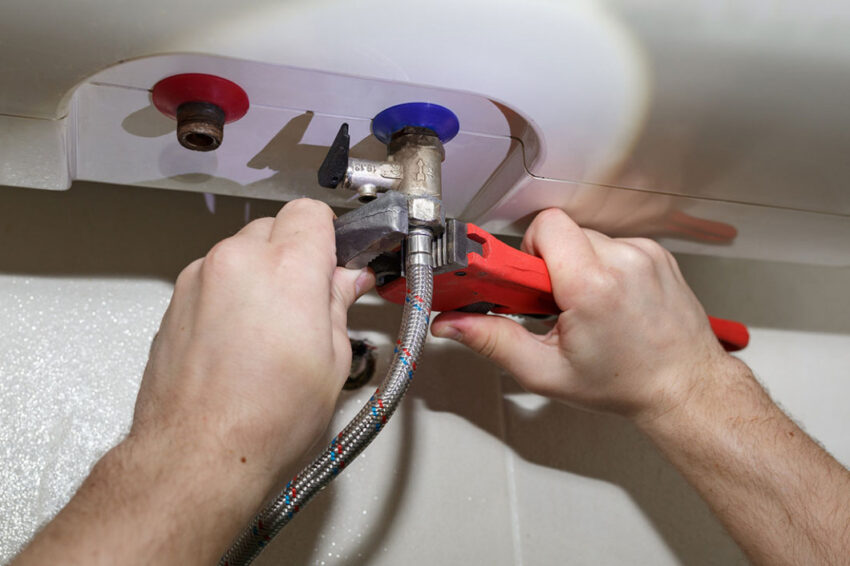
A water heater can operate quietly in the background until something begins to change. Homeowners may first notice the difference during ordinary activities such as taking a shower, washing dishes, or doing laundry. Small changes in hot water performance can sometimes provide useful clues about the condition of the system.
For homeowners looking for Water Heater Repair in St. Clair Shores, MI, paying attention to these everyday changes can help identify when professional service may be needed. A drop in hot water availability, unusual sounds, inconsistent temperatures, or visible moisture around the equipment can all deserve attention rather than being ignored.
Notice How Quickly Hot Water Runs Out
One of the most noticeable changes is running out of hot water sooner than usual.
A household may follow the same routine for months or years without problems and then suddenly find that hot water does not last through normal activities.
Several factors can contribute to this change. The water heater itself may need attention, household demand may have increased, or another part of the system may be affecting performance.
The timing of the problem can provide useful information during a professional inspection.
Pay Attention to Temperature Changes
Hot water should generally remain consistent during normal use. If the temperature frequently changes without an obvious reason, homeowners may want to have the system checked.
Temperature changes can become particularly noticeable during showers or when multiple fixtures are being used.
Instead of repeatedly adjusting faucets to compensate, it is better to have recurring changes evaluated so the actual cause can be identified.
Listen for New Sounds
Water heaters can make some operating sounds, but a noticeable change from their normal behavior can be worth mentioning to a professional.
Popping, rumbling, or other unusual sounds may appear as the system ages or as conditions inside the tank change.
The sound itself does not confirm a specific problem. However, when unusual noise continues or appears alongside other performance changes, it can provide useful information about the condition of the equipment.
Check the Area Around the Unit
The space around a water heater can sometimes reveal changes that are easy to miss.
Homeowners may notice moisture, staining, corrosion, or other visible changes near the equipment. These signs should not simply be covered or ignored.
Visible water can have different possible causes, so identifying where it is coming from is important. A professional can inspect the system and determine whether service is necessary.
Look at Changes in Household Demand
Sometimes a water heater appears to perform differently because household demand has changed.
A new family member, more frequent laundry, additional guests, or changes in shower schedules can increase hot water use.
Before assuming the equipment has failed, homeowners can consider whether daily demand has increased. If the household routine has remained similar but performance has changed, professional evaluation may be more appropriate.
Repeated Recovery Delays Matter
A water heater needs time to restore hot water after heavy use. If recovery seems noticeably slower than it used to be, that change may deserve attention.
For example, a household may notice that normal hot water availability takes much longer after several showers.
A gradual change in recovery performance can provide useful information about the system’s condition.
Changes in Water Quality Can Be Noticeable
Water coming from a hot-water fixture may sometimes look or smell different from what homeowners normally expect.
Changes in color, odor, or visible particles can have several possible causes, including conditions within the water heater or plumbing system.
If the change is persistent or unusual, homeowners should avoid guessing at the cause and arrange an appropriate inspection.
Age Can Change Maintenance Needs
Water heaters do not remain in the same condition forever. As equipment gets older, components may require more attention and performance may gradually change.
An older system that has begun showing several small problems may need a more complete evaluation rather than repeated attention to individual symptoms.
Knowing the approximate age of the equipment can also help a professional assess whether repair or replacement should be considered.
Small Problems Can Become Disruptive
A minor issue may not seem important when hot water is still available. However, repeated problems can eventually interfere with household routines.
A small leak, inconsistent temperature, or unusual noise may become more noticeable over time.
Addressing recurring changes earlier can give homeowners more options and may help prevent a sudden loss of hot water service.
Seasonal Changes Can Affect Usage
Household water use may change during different parts of the year. Guests may visit more often during holidays, routines can shift during school breaks, and laundry demands may vary.
These changes can make a water heater seem less capable even when the equipment has not changed.
Comparing current performance with the household’s actual usage can help determine whether the problem is increased demand or a change in system performance.
Keep Track of Recurring Symptoms
Homeowners do not need to become experts in water heater systems to provide useful information.
Simply noting when a problem occurs can help. Useful details may include whether the issue happens every day, only after heavy use, during certain fixtures, or at specific times.
This information can give a technician a clearer picture of the problem before the inspection begins.
Know When Professional Service Makes Sense
Some water heater concerns cannot be accurately diagnosed by looking at the outside of the unit. Internal components and plumbing connections may need professional evaluation.
If a problem keeps returning, affects normal hot water use, or involves visible moisture around the equipment, professional service is a sensible next step.
Homeowners should avoid attempting complex repairs themselves, particularly when the system involves gas, electricity, or pressurized components.
Repair or Replacement?
Not every water heater problem means the entire system needs to be replaced. Depending on the equipment’s condition, age, and type of problem, repair may be an appropriate option.
On the other hand, repeated failures or an aging system may make replacement worth discussing.
A professional inspection can help homeowners compare the condition of the current equipment with the likely benefits of repairing or replacing it.
Choosing Professional Service
A qualified plumbing professional can inspect the water heater, identify possible causes, and recommend an appropriate course of action.
For homeowners considering Water Heater Repair in St. Clair Shores, MI, providing details about temperature changes, unusual sounds, water availability, leaks, and other symptoms can help make the service visit more productive.
The right solution depends on the specific condition of the equipment rather than on one symptom alone.
Keeping Performance More Predictable
After a repair, regular attention can help homeowners notice future changes sooner. Keeping the area around the water heater accessible, watching for visible moisture, and paying attention to hot water performance can make unusual changes easier to spot.
Professional maintenance can also help identify developing concerns before they become major disruptions.
A little awareness can make it easier to maintain reliable hot water as the system gets older.
Conclusion
Everyday routines can reveal changes in water heater performance long before a major failure occurs. Running out of hot water sooner, unusual sounds, temperature changes, visible moisture, and slower recovery can all provide useful clues.
Homeowners do not need to diagnose these symptoms themselves. Paying attention to recurring changes and arranging professional service when needed can help determine whether a repair, maintenance visit, or replacement should be considered.