

Flooding doesn’t knock before it enters. One heavy storm, one burst pipe, one sewage backup — and your home is sitting in inches of water. Within minutes, that water attacks your floors, walls, furniture, and even your electrical system.
Here’s the scary part: the longer water sits, the worse it gets. But here’s the good news — knowing flood damage restoration puts you back in control. It’s not just about bailing out water. It’s a full process of inspection, extraction, drying, cleaning, and repair. This guide breaks it all down so you know exactly what to do when disaster hits.
What Is Flood Damage Restoration?
Flood damage restoration is the process of bringing a flooded property back to a safe, livable condition. It starts only after the water source is under control.
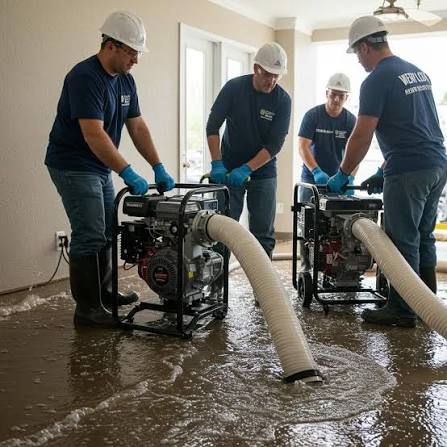
Professional teams come armed with serious equipment — extraction pumps, wet vacuums, air movers, and commercial dehumidifiers. These machines pull moisture out of your floors, walls, carpets, and furniture. Depending on how bad the flooding is, the whole process can take anywhere from a few days to several weeks.
Common Causes of Flood Damage
So what actually causes floods? Sometimes it’s the weather. Sometimes it’s your own plumbing. Here’s the usual suspect list:
- Heavy rain and thunderstorms
- Hurricanes and severe storms
- Overflowing rivers or drainage systems
- Burst water pipes
- Sewer backups
- Foundation leaks
- Appliance failures
- Poor drainage around your property
- Roof damage
- Basement flooding
Pinpointing the cause matters. You can’t finish cleanup until the source is stopped. That’s step zero.
Why Speed Changes Everything
Water moves fast through porous materials. Carpets, drywall, wood, and upholstery soak it up like a sponge.
Leave them wet, and you get permanent damage. Worse, mold can start growing within 24 to 48 hours — and trust me, you don’t want that battle. Starting flood damage restoration early keeps the damage small and the repair bill smaller.
The Flood Damage Restoration Process, Step by Step
Inspect the Property
First, pros do a full inspection. They check walls, floors, ceilings, furniture, and electrical areas.
They also hunt for hidden moisture using moisture meters and specialized tools. Water loves hiding behind walls and under flooring. The inspection tells them what can be saved — and what needs to go.
Remove Standing Water
Next, extract the water. Big floods need commercial pumps. Small areas might only need wet vacuums.
But here’s the catch — visible water is only half the problem. Water hides beneath carpets, cabinets, and flooring. A detailed moisture check after extraction catches what the pumps miss.
Dry and Dehumidify
Think surfaces look dry? Think again. Building materials hold moisture long after they look fine.
Clean and Sanitize
Floodwater is dirty. It carries debris, bacteria, chemicals, and sometimes sewage. Gross, but true.
Every affected surface needs cleaning and sanitizing before it’s safe to touch again. Your belongings get individual assessments too — some can be saved, others are better replaced.
Repair the Damage
Once everything is dry and clean, repairs begin. Small jobs mean swapping out drywall, flooring, or insulation.
Bigger floods? Those can hit structural components and electrical systems. That work needs qualified contractors. A complete flood damage restoration job fixes both the visible damage and the hidden problems underneath.
Signs of Hidden Flood Damage
Some damage hides. Honestly, it can take weeks to show up. Keep an eye out for:
- Musty odors that linger
- Discolored walls or ceilings
- Warped or buckling floors
- Peeling paint or bubbling wallpaper
- Soft, spongy drywall
- Persistent humidity
- Mold growth
- Swollen wood
- Flickering or faulty electrical outlets
Don’t ignore these. Hidden moisture keeps destroying your home even after the water is gone.
How to Prevent Future Flood Damage
Look, you can’t stop every flood. But you can stack the odds in your favor.
Clean your gutters and downspouts regularly — they direct rain away from your home. Inspect your roof, plumbing, drainage, and foundation often. Live in a flood-prone area? Install a sump pump and water detection devices. They give you an early warning when trouble starts.
And know where your main water shutoff valve is. In a plumbing emergency, shutting off water fast can save you thousands in repairs. Good prevention today means less flood damage restoration tomorrow.
Choosing the Right Restoration Company
When the damage is serious, don’t DIY this part. Pick a company with real experience in water extraction, drying, sanitizing, and reconstruction.
Ask tough questions. What equipment do they use? How fast can they respond? Will they document everything for insurance? A good team explains the whole plan clearly and keeps you updated at every stage.
Frequently Asked Questions
How long does flood damage restoration take? Minor flooding: 3–5 days. Major damage with reconstruction: several weeks. Every case is different.
Can flood-damaged carpets be saved? Sometimes. Clean water? Maybe. Contaminated floodwater? Replacement is usually the safer call.
Does insurance cover flood damage? Sudden, accidental flooding often qualifies. Gradual damage from neglect usually doesn’t. Document everything with photos.
Is it safe to stay in my home during restoration? Depends on the contamination level and which areas are affected. Your restoration team will tell you honestly.
Final Thoughts
Flooding hits hard and fast. But panic doesn’t fix anything — action does. Extract the water. Dry everything. Clean and sanitize. Repair the damage. Follow that order, and you win.
And when water reaches your walls, floors, or electrical systems, call in the pros. They have the tools and training to do it right. At its core, flood damage restoration is about one outcome: getting your home back to the safe, comfortable place it was before the water arrived.