

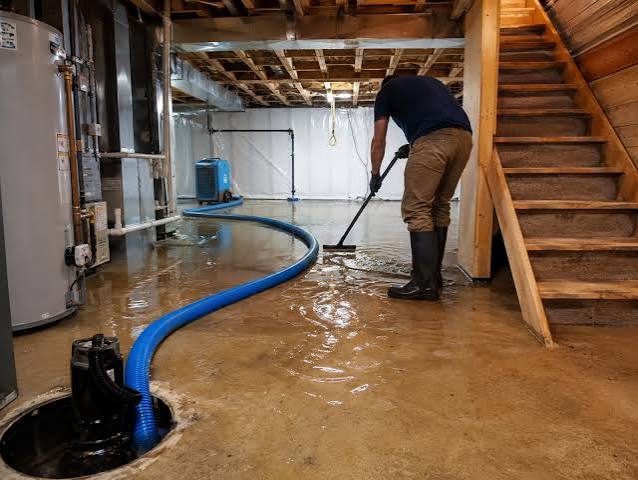
Water damage doesn’t wait for a good time. A pipe bursts at 2 AM. Your dishwasher gives up without warning. Rain finds that tiny hole in your roof. And just like that, your floors, walls, and furniture are soaking wet.
Here’s the thing — even a small amount of water can wreck your home fast. Moisture sneaks into floors, walls, ceilings, insulation, and even your electrical system. And if you ignore it? Mold shows up uninvited. That’s why knowing house water damage restoration matters so much. It helps you act fast, cut your losses, and save your property. This guide walks you through every step — the causes, the cleanup process, and how to stop it from happening again.
What Is Water Damage Restoration, Anyway?
Water damage restoration is simply the process of cleaning, drying, and fixing areas hit by unwanted water. And no, it’s not just about mopping up what you can see. The real goal? Find the hidden moisture and make your home safe again.
Every professional house water damage restoration job starts with an inspection. Specialists figure out where the water came from, how far it spread, and what materials got hit. They use moisture meters and infrared cameras to spot water you can’t see with your eyes.
Common Causes of Water Damage
So where does all this water come from? Usually from one of these troublemakers:
- Burst or leaking pipes
- Overflowing sinks and bathtubs
- Washing machine or dishwasher leaks
- Water heater failures
- Roof leaks
- Basement flooding
- Storm and rainwater
- Blocked drainage systems
- Toilet overflows
- Foundation leaks
Finding the source matters. You can’t start the cleanup until you stop the water supply. Simple as that.
Why Quick Action Saves Your Home
Water moves fast. It soaks into carpets, drywall, wood, and furniture within hours — sometimes minutes.
Look, the faster you act, the less damage you deal with. Mold can start growing in just 24 to 48 hours. Standing water needs to go ASAP, but don’t wade into areas where electrical hazards might be lurking. Honestly, that’s a risk nobody should take.
The 5 Steps of House Water Damage Restoration
Inspect and Assess the Damage
First, restoration pros do a full walkthrough. They check your floors, walls, ceilings, cabinets, and furniture.
They also figure out what kind of water you’re dealing with. Clean water from a supply pipe? That’s one situation. Contaminated water from sewage? Totally different ballgame — and a much stricter cleanup process.
Remove Standing Water
Next comes water extraction. Pumps, wet vacuums, and specialized equipment suck up visible water fast.
But here’s what most homeowners miss — water hides. It pools under flooring, inside walls, and beneath cabinets. Good house water damage restoration hunts down that hidden moisture too. Otherwise, the damage never really stops.
Dry and Dehumidify Everything
Now the drying phase begins. Industrial air movers blast air across wet surfaces. Dehumidifiers pull moisture right out of the air.
Pros monitor moisture levels the whole time. Opening a window won’t cut it, especially on humid days. Skip this step, and you’re inviting mold, musty odors, and rotting wood into your home.
Clean and Sanitize
Water leaves more than wet spots behind. Dirt, bacteria, and nasty odors come with it.
Affected surfaces get cleaned, disinfected, and deodorized. Your carpets, upholstery, and personal items might need separate treatment too. Some things can be saved. Others? They may be too contaminated to keep.
Repair and Restore
Once everything is clean and dry, repairs start. Small jobs might mean swapping out sections of drywall or flooring.
Bigger damage? That could mean structural repairs, electrical work, or full reconstruction. The end goal is simple — get your home back to normal.
Signs of Hidden Water Damage You Shouldn’t Ignore
Not all water damage waves a flag. Sometimes it hides quietly. Watch for these warning signs:
- Musty smells that won’t go away
- Peeling paint or bubbling wallpaper
- Discolored walls or ceilings
- Warped or buckling floors
- Soft, spongy drywall
- Persistent humidity
- Mold spots
- A water bill that suddenly spikes
Notice any of these? Investigate now. A small fix today beats a massive repair bill tomorrow.
How to Prevent Future Water Damage
Well, you can’t prevent every emergency. But you can dramatically lower your risk.
Check your plumbing, appliances, gutters, roof, and drainage systems regularly. Know where your main water shutoff valve is — and honestly, most homeowners don’t. Finding it during a crisis wastes precious minutes. Shutting off the water quickly can mean the difference between a puddle and a flood.
Want extra protection? Install leak detection devices near your water heater, washing machine, and dishwasher. They’ll warn you the moment something goes wrong.
Frequently Asked Questions
How long does house water damage restoration take? It depends on the damage. Minor cases might wrap up in 3–5 days. Bigger jobs with reconstruction can take several weeks.
Can I handle water damage cleanup myself? Small spills? Sure. But anything involving contaminated water or soaked walls and floors needs professional equipment and expertise.
Will my insurance cover it? Often, yes — if the damage is sudden, like a burst pipe. Slow leaks from poor maintenance usually aren’t covered. Document everything either way.
Final Thoughts
Water damage is stressful. No doubt about it. But fast action changes everything. Find the source. Remove the water. Dry everything out. Clean, sanitize, repair. That sequence never changes.
And when water seeps into walls, floors, or ceilings, call the pros. They have the pumps, dryers, and meters to do the job right. With quick action and a little regular maintenance, you can protect your home from the worst of it. At its core, house water damage restoration is about one thing — getting your home dry, safe, clean, and back to normal.