
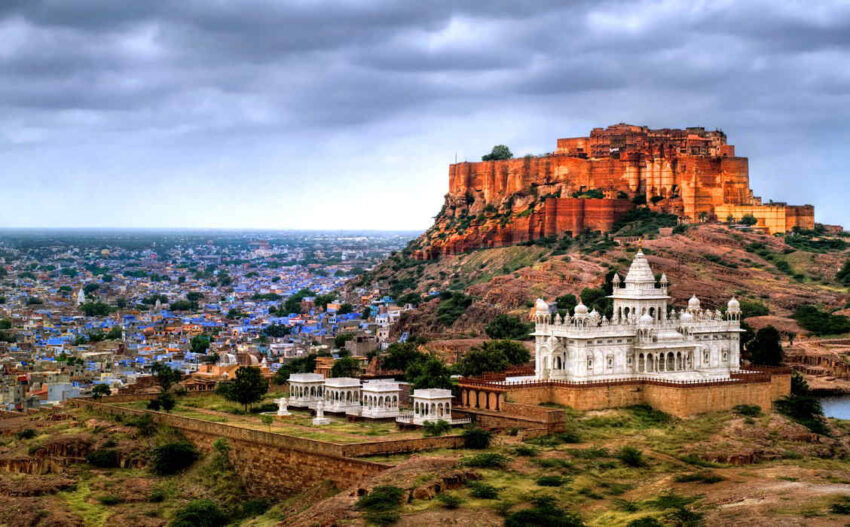
Rajasthan, the “Land of Kings,” is one of India’s most culturally rich and historically significant states. Heritage tourism in Rajasthan has become a cornerstone of India’s travel industry, attracting millions of visitors who wish to experience its majestic forts, opulent palaces, vibrant traditions, and timeless desert landscapes. From Jaipur’s pink-hued architecture to Udaipur’s romantic lakes, from Jodhpur’s blue city charm to Jaisalmer’s golden desert fort, Rajasthan offers a kaleidoscope of heritage experiences that embody India’s royal past.
Why Rajasthan is the Heart of Heritage Tourism
- Royal Legacy: Home to Rajput dynasties and their magnificent forts and palaces.
- Architectural Marvels: Intricate carvings, grand courtyards, and ornate temples.
- Cultural Vibrancy: Folk music, dance, festivals, and colorful attire.
- Living Traditions: Heritage hotels and havelis that preserve royal lifestyles.
- Global Recognition: UNESCO World Heritage Sites like Jaipur City and Jantar Mantar.
Jaipur: The Pink City
- Amber Fort: A majestic fort with stunning courtyards and Sheesh Mahal (Mirror Palace).
- City Palace: A blend of Mughal and Rajput architecture, still home to Jaipur’s royal family.
- Hawa Mahal: The “Palace of Winds,” famous for its honeycomb façade.
- Jantar Mantar: Astronomical observatory and UNESCO World Heritage Site.
Jaipur is a gateway to Rajasthan’s heritage, offering a vibrant mix of history and modernity.
Udaipur: The City of Lakes
- City Palace: Overlooking Lake Pichola, it is one of the largest palace complexes in Rajasthan.
- Lake Pichola: Famous for boat rides and views of Jag Mandir and Lake Palace.
- Jag Mandir: An island palace with exquisite architecture.
- Saheliyon Ki Bari: A historic garden built for royal maidens.
Udaipur is often called the “Venice of the East,” celebrated for its romantic heritage.
Jodhpur: The Blue City
- Mehrangarh Fort: One of India’s largest forts, offering panoramic views of the blue-painted houses.
- Umaid Bhawan Palace: A heritage hotel and museum showcasing royal artifacts.
- Jaswant Thada: A marble cenotaph built in memory of Maharaja Jaswant Singh II.
Jodhpur’s heritage is a blend of grandeur and everyday life, with its blue houses creating a unique charm.
Jaisalmer: The Golden City
- Jaisalmer Fort: A living fort with shops, homes, and temples inside its walls.
- Patwon Ki Haveli: A cluster of ornate havelis showcasing intricate carvings.
- Sam Sand Dunes: Desert safaris and cultural performances under the stars.
Jaisalmer’s heritage is deeply tied to its desert landscape, offering a golden glow at sunset.
Pushkar: The Sacred Town
- Pushkar Lake: A holy site surrounded by ghats and temples.
- Brahma Temple: One of the few temples dedicated to Lord Brahma in the world.
- Pushkar Camel Fair: A vibrant cultural event showcasing Rajasthan’s traditions.
Pushkar combines spiritual heritage with cultural vibrancy, making it a unique destination.
Ajmer: The Spiritual Heritage
- Ajmer Sharif Dargah: A revered Sufi shrine attracting pilgrims from across the world.
- Adhai Din Ka Jhonpra: A historic mosque with Indo-Islamic architecture.
Ajmer reflects Rajasthan’s diverse heritage, blending Hindu and Islamic traditions.
Bikaner: The Desert Jewel
- Junagarh Fort: Known for its unique architecture and well-preserved interiors.
- Karni Mata Temple: Famous for its population of sacred rats.
- Camel Festival: Celebrates Rajasthan’s desert heritage.
Bikaner offers a distinct flavor of desert culture and royal history.
Bundi: The Hidden Gem
- Taragarh Fort: Known for its murals and panoramic views.
- Bundi Palace: Famous for its intricate frescoes.
Bundi is less crowded but rich in heritage, offering an authentic experience.
Festivals and Cultural Heritage
- Desert Festival (Jaisalmer): Showcases folk music, dance, and camel races.
- Teej Festival (Jaipur): Celebrates monsoon with processions and cultural performances.
- Gangaur Festival: Dedicated to Goddess Parvati, celebrated with colorful rituals.
Festivals are integral to heritage tourism in Rajasthan, offering immersive cultural experiences.
Heritage Hotels and Havelis
- Rajasthan is famous for converting palaces and forts into heritage hotels.
- Examples include Rambagh Palace (Jaipur), Lake Palace (Udaipur), and Umaid Bhawan (Jodhpur).
- These hotels offer royal hospitality, preserving traditions while providing modern luxury.
Best Time to Experience Heritage Tourism in Rajasthan
- Winter (October to March): Pleasant weather, ideal for sightseeing and festivals.
- Summer (April to June): Hot, but desert experiences are unique.
- Monsoon (July to September): Lush landscapes, though some areas may be less accessible.
Travel Tips
- Book accommodations in advance, especially during festivals.
- Carry comfortable clothing suitable for desert and city tours.
- Respect local customs, especially in temples and shrines.
- Hire local guides for deeper cultural insights.
- Keep cameras ready for both monuments and cultural performances.
Benefits of Heritage Tourism in Rajasthan
- Cultural Preservation: Tourism supports the maintenance of forts, palaces, and temples.
- Economic Growth: Heritage tourism boosts local economies and crafts.
- Global Recognition: Rajasthan is a flagship destination for India’s tourism industry.
- Memorable Experiences: From royal palaces to desert safaris, heritage tourism offers diverse encounters.
Challenges and Opportunities
- Challenges: Overcrowding at popular sites, preservation of ancient structures, and balancing modernization.
- Opportunities: Promoting lesser-known destinations, expanding eco-tourism, and integrating digital booking platforms.
Conclusion
Rajasthan is not just a state—it is a living museum of India’s royal past. From Jaipur’s palaces to Udaipur’s lakes, from Jodhpur’s forts to Jaisalmer’s desert heritage, heritage tourism in Rajasthan offers a kaleidoscope of experiences. Whether you are a history buff, a cultural explorer, or a traveler seeking authentic traditions, Rajasthan promises memories that last a lifetime. Truly, it remains one of India’s most captivating destinations, blending heritage, devotion, and artistry in perfect harmony.