

Introduction
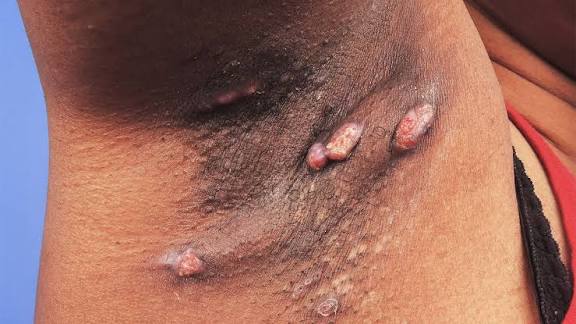
Hidradenitis suppurativa (HS) is a chronic inflammatory skin condition that can cause painful lumps, abscesses, tunnels beneath the skin, and scarring. These lesions commonly develop in areas where skin rubs together, such as the armpits, groin, buttocks, and under the breasts. Symptoms can vary from mild to severe, and flare-ups may affect a person’s comfort, confidence, sleep, and daily activities.
Managing hidradenitis suppurativa often requires a long-term approach. Medical treatments, appropriate skin care, lifestyle adjustments, and regular follow-up with a healthcare professional can help control symptoms and reduce complications. Some people also explore natural supplements to support their overall health and complement their treatment plans.
However, not every supplement is effective, and natural products are not automatically safe. Understanding the available evidence, possible side effects, and interactions with medications is essential before introducing anything new into your routine.
This guide explains what to consider when researching Hidradenitis Suppurativa Supplements, including commonly discussed nutrients, potential benefits, safety precautions, and questions to ask your healthcare provider.
Is There a Permanent Cure for Hidradenitis Suppurativa?
People living with HS often search online for a Permanent Cure for Hidradenitis Suppurativa because recurring inflammation and painful lesions can be frustrating. At present, there is no universally established permanent cure for this chronic condition. Nevertheless, several treatments can help manage symptoms, reduce flare-ups, and improve quality of life.
Treatment options may include topical medications, antibiotics, hormonal therapies for selected patients, biologic medications, and surgical procedures when appropriate. The right approach depends on the severity of the disease, the affected areas, the presence of scarring or tunnels, and individual health considerations.
Natural supplements should not be considered a replacement for evidence-based medical care. Although some nutrients and plant-derived compounds have been investigated for their effects on inflammation, research specifically involving HS remains limited. A supplement that supports general nutritional health does not necessarily treat the underlying skin condition.
Setting realistic expectations is important. The goal should be to develop a safe, sustainable management plan with a qualified healthcare professional rather than relying on a product that promises a guaranteed cure.
Understanding the Role of Inflammation in Hidradenitis Suppurativa
Hidradenitis suppurativa is an inflammatory disease associated with hair follicles. It is not simply a problem caused by poor hygiene, and it is not considered contagious. The condition can involve immune system activity, genetic susceptibility, hormonal influences, and other factors that contribute to recurring inflammation.
Although the exact causes are not fully understood, researchers recognize that HS involves more than ordinary skin irritation. Inflammation can lead to painful nodules, abscesses, drainage, and the formation of tunnels under the skin.
Because inflammation is part of the disease process, some people wonder whether nutritional changes or supplements might help. Adequate nutrition is important for general health, immune function, and wound healing. Correcting a genuine nutritional deficiency may also be beneficial.
However, the relationship between nutrition and HS is complex. Supplements have not been shown to consistently prevent or resolve HS lesions, and results from studies of other inflammatory conditions cannot automatically be applied to HS.
Before choosing a supplement, it is helpful to understand the difference between supporting general health and treating a specific medical condition.
What to Consider Before Trying Hidradenitis Suppurativa Supplements
Before spending money on supplements, consider the following factors to make a more informed decision.
- Look for Reliable Scientific Evidence
One of the most important steps is evaluating whether a supplement has been studied specifically in people with HS. Evidence from laboratory experiments, animal studies, or research involving unrelated conditions may provide useful background information, but it does not prove that a product will improve hidradenitis suppurativa.
Look for human clinical studies, systematic reviews, and recommendations from reputable medical organizations. Pay attention to the number of participants, the duration of the research, the outcomes measured, and whether the findings have been independently replicated.
Be cautious of products advertised with dramatic claims, testimonials presented as proof, or statements suggesting that a single ingredient can eliminate every symptom.
- Understand Your Individual Nutritional Needs
Supplements are not equally useful for everyone. Their potential value depends on dietary habits, existing deficiencies, medical history, medications, and other personal factors.
For example, someone with a confirmed vitamin deficiency may benefit from appropriate supplementation. Someone who already receives sufficient amounts through food may gain little additional benefit from taking more.
A healthcare professional can help determine whether laboratory testing or a dietary assessment is appropriate. This approach reduces unnecessary supplementation and helps identify the most relevant nutritional concerns.
- Check for Medication Interactions
Natural products can interact with prescription medications, over-the-counter medicines, and other supplements. Some may influence blood clotting, blood pressure, blood sugar, or how the body processes medications.
People receiving antibiotics, hormonal treatments, biologic therapies, or other medications for HS should discuss any proposed supplement with their healthcare provider or pharmacist.
Do not stop, reduce, or replace prescribed treatment because a supplement is marketed as a natural alternative. Combining products without checking their ingredients may increase the risk of side effects or unwanted interactions.
- Consider Product Quality and Transparency
The supplement industry includes products with different levels of quality and manufacturing oversight. Labels may vary in accuracy, ingredient concentration, and the information provided about potential risks.
Before purchasing a product, review its complete ingredient list, recommended serving size, manufacturer details, allergen information, and relevant quality-testing information. Independent testing can provide additional confidence in a product’s identity and purity, although it does not prove that the supplement treats HS.
Avoid products that hide ingredient amounts in proprietary blends when those amounts are important for assessing safety. Be especially careful with products promising immediate results or claiming to cure a chronic disease.
- Evaluate the Cost and Expected Benefits
Long-term supplement use can become expensive, particularly when several products are taken together. Before purchasing anything, consider what benefit you realistically expect and whether that benefit is supported by research.
It may be more useful to address a documented nutritional deficiency than to spend money on multiple products with uncertain effects. A healthcare professional or registered dietitian can help prioritize appropriate nutritional measures.
Common Natural Supplements People Research for Hidradenitis Suppurativa
Several nutrients and plant-derived products are discussed in relation to inflammation, immune function, and skin health. However, evidence that these products specifically improve HS is limited, and none should be regarded as an established cure.
- Zinc
Zinc is an essential mineral involved in immune function, cell growth, and wound healing. Because HS can involve inflamed lesions and persistent wounds, zinc is sometimes discussed as a possible nutritional consideration.
Some research has explored zinc supplementation in people with HS, but the available evidence is not strong enough to establish it as a standard treatment. Results from small studies do not guarantee that zinc will benefit everyone.
Excessive zinc intake can cause nausea, stomach discomfort, and copper deficiency. Long-term high doses can also interfere with normal mineral balance. A healthcare professional can help determine whether supplementation is appropriate based on dietary intake, medical history, and individual needs.
- Vitamin D
Vitamin D supports bone health, muscle function, and normal immune activity. Researchers have investigated whether vitamin D status may be associated with inflammatory skin conditions, including HS.
Some studies have reported low vitamin D levels in certain groups of people with HS. However, an association does not establish that low vitamin D causes the condition or that supplementation will reduce disease severity.
People with a confirmed deficiency may benefit from appropriate replacement. The recommended approach depends on individual circumstances, and excessive vitamin D intake can cause dangerously high calcium levels and kidney complications.
Rather than taking large doses without guidance, discuss testing and suitable supplementation with a healthcare professional.
- Omega-3 Fatty Acids
Omega-3 fatty acids are found in oily fish and certain plant foods. They play important roles in normal cell function and are involved in biological pathways that regulate inflammation.
Some people consider fish oil or other omega-3 supplements when looking for ways to support general health. Nevertheless, strong clinical evidence that omega-3 supplements reduce HS flare-ups or prevent lesion formation is lacking.
Food sources, such as salmon, sardines, walnuts, chia seeds, and flaxseeds, can contribute to a balanced diet. Supplements may not be suitable for everyone, particularly people taking medications that affect blood clotting or those with specific allergies.
Discuss potential benefits and risks with a healthcare professional before starting high-dose products.
- Turmeric and Curcumin
Turmeric is a culinary spice that contains curcumin, a compound investigated for its biological effects, including its interaction with inflammatory pathways.
These properties have attracted interest in several health conditions. However, findings from laboratory research or studies involving other diseases do not demonstrate that turmeric or curcumin supplements effectively treat hidradenitis suppurativa.
Turmeric can be used as part of ordinary cooking, but concentrated supplements may have different effects from dietary amounts. Some products can cause digestive discomfort, interact with medications, or increase concerns for people with gallbladder disorders. Certain highly bioavailable formulations have also been associated with liver injury.
Before using concentrated curcumin products, review the ingredients and potential interactions with your healthcare provider.
- Antioxidant Vitamins
Vitamins A, C, and E perform different functions in the body, including supporting normal immune activity, collagen formation, and protection against oxidative damage.
Adequate intake is important for skin health, but taking extra vitamins does not necessarily improve HS. There is insufficient evidence to recommend high-dose antioxidant supplements as a routine treatment for this condition.
Excess vitamin A can be toxic, particularly during pregnancy, while high doses of vitamin E may increase bleeding risk in some circumstances. Vitamin C can cause digestive symptoms at high doses and may be unsuitable in certain medical situations.
A balanced diet that supplies essential vitamins is generally a sensible starting point. Supplementation should focus on an identified need rather than the assumption that more is always better.
- Probiotics
Probiotics are live microorganisms that may provide health benefits in specific circumstances. They are often discussed in connection with digestive health and the relationship between the gut microbiome and immune function.
Researchers continue to investigate how the microbiome may relate to inflammatory diseases. However, there is currently insufficient evidence to conclude that probiotic supplements reliably improve hidradenitis suppurativa.
Different probiotic strains have different effects, so findings involving one product cannot automatically be applied to another. People with severely weakened immune systems or certain serious illnesses should seek medical advice before using probiotic products.
Fermented foods, including yogurt with live cultures, may be part of a balanced diet if they are tolerated, but they should not be presented as a treatment for HS.
- Herbal Supplements
Herbal products are widely marketed for inflammation, skin health, and general wellness. Their ingredients can vary considerably, and the evidence supporting their use in HS is often limited or indirect.
A product described as natural may still cause allergic reactions, interact with medication, or contain ingredients that are unsuitable for particular health conditions. Quality can also vary between manufacturers.
Before trying an herbal formula, identify every ingredient and its amount. Ask whether the product has been studied in people with HS and whether there are known safety concerns.
Avoid herbal products advertised as guaranteed cures, especially when the seller discourages medical care or recommends stopping prescribed treatment.
The Role of Herbs Solutions By Nature in Supplement Research
When researching natural wellness products, consumers may encounter Herbs Solutions By Nature while exploring herbal approaches and supplement-related information. As with any wellness brand, it is important to assess individual products carefully rather than assuming that all natural formulations are appropriate for hidradenitis suppurativa.
Before considering a product, review its full ingredient list, intended use, recommended serving size, manufacturing information, and available safety documentation. Check whether the product makes realistic statements about its intended purpose and whether its claims are supported by reliable research.
People with HS should be particularly cautious about claims of a permanent cure. A supplement may be marketed for general wellness without having been clinically demonstrated to prevent abscesses, heal sinus tracts, or stop the disease from recurring.
If you are considering a product from Herbs Solutions By Nature, discuss it with your healthcare provider or pharmacist, especially if you take prescription medications, have other medical conditions, are pregnant, or are breastfeeding.
The most responsible approach is to view supplements as a possible part of an individualized wellness plan, not as a substitute for diagnosis, medical treatment, or professional advice.
Can Diet and Lifestyle Changes Support HS Management?
Although supplements receive considerable attention, everyday habits can also be important when managing hidradenitis suppurativa. No single lifestyle change works for everyone, but practical adjustments may help improve comfort and support general health.
Follow a Balanced, Nutrient-Rich Diet
A balanced eating pattern can provide the vitamins, minerals, protein, and other nutrients needed for normal immune function and tissue repair. Include vegetables, fruits, whole grains, healthy fats, and suitable protein sources.
There is no universally proven HS diet. Some people report that particular foods seem to coincide with flare-ups, but individual experiences do not establish that those foods trigger symptoms in everyone.
If you suspect a dietary trigger, consider keeping a food and symptom diary. Discuss any planned elimination diet with a registered dietitian to avoid unnecessary restrictions or nutritional deficiencies.
Maintain a Comfortable Skin-Care Routine
Gentle skin care can help minimize irritation. Use products that are suitable for sensitive skin, avoid aggressive scrubbing, and choose comfortable clothing that reduces friction in affected areas.
Warm compresses may provide temporary comfort for some people, but painful or draining lesions may require medical assessment. Do not squeeze, cut, or attempt to drain lesions at home, as this can worsen tissue damage and increase the risk of complications.
Address Smoking and Weight-Related Concerns Without Stigma
Smoking is associated with HS, and stopping smoking may be a helpful part of an overall management plan. Some people also find that reducing friction in skin folds improves comfort.
Body weight and HS are complex subjects. Not everyone with HS has a higher body weight, and the condition is not caused by personal failure or poor hygiene. If weight management is relevant to your health goals, a supportive, individualized approach is preferable to restrictive diets or shame-based advice.
Prioritize Sleep and Stress Management
Stress does not fully explain HS, and managing stress alone will not cure it. Nevertheless, chronic discomfort and flare-ups can disrupt sleep and emotional well-being.
Relaxation exercises, gentle physical activity as tolerated, consistent sleep habits, and mental health support may help people cope with the demands of a chronic skin condition. Choose activities that fit your symptoms and physical comfort.
Why Medical Treatment Remains Important
Natural approaches may appeal to people who want additional ways to manage HS, but professional treatment remains essential, especially when symptoms are persistent, severe, or worsening.
A dermatologist can assess the severity of the condition and recommend suitable options. Depending on the situation, treatment may include:
- Topical treatments: Certain prescription products may help manage localized symptoms.
- Antibiotics: These may be prescribed for their anti-inflammatory effects or to address particular infections when indicated.
- Hormonal treatments: Selected patients may benefit from treatments that address hormonal influences.
- Biologic medications: Certain biologic therapies are approved for moderate to severe HS in some countries and may help control inflammation.
- Procedures and surgery: Persistent tunnels, recurrent lesions, or extensive scarring may require specialist procedures.
Treatment plans vary, and not every option is appropriate for every person. Supplements should be discussed as complementary measures rather than alternatives to treatments recommended by your healthcare professional.
Seek prompt medical attention if you develop fever, rapidly spreading redness, worsening swelling, severe pain, or other symptoms that suggest a possible complication.
How to Choose Hidradenitis Suppurativa Supplements Responsibly
If you and your healthcare provider decide to explore supplementation, a structured approach can reduce unnecessary risks.
Start with one clear goal. Determine whether you want to correct a nutritional deficiency, improve your overall diet, or address another specific concern. Avoid starting several products at once because doing so can make side effects difficult to identify.
Review the evidence. Look for research involving people with HS, not just studies describing general anti-inflammatory effects. Be realistic about the limitations of small studies and anecdotal reports.
Check the dosage. More is not necessarily better. Compare the proposed daily intake with established nutritional guidance and any limits recommended for your circumstances.
Discuss your medications. Give your healthcare provider a complete list of prescription medicines, over-the-counter products, vitamins, and herbs you already use.
Frequently Asked Questions
Can supplements cure hidradenitis suppurativa?
No supplement has been established as a permanent cure for HS. Some nutrients may be useful for correcting deficiencies or supporting general health, but there is insufficient evidence that supplements alone can eliminate the condition.
Which supplements are best for hidradenitis suppurativa?
There is no universally recommended supplement regimen for everyone with HS. Zinc, vitamin D, omega-3 fatty acids, turmeric, and other products are discussed in connection with inflammation or skin health, but evidence of their effectiveness specifically for HS remains limited. The most appropriate choice depends on individual nutritional needs and medical circumstances.
Are herbal supplements safer than prescription medicines?
Not necessarily. Herbal products can cause side effects, interact with medications, and vary in quality. Prescription treatments also have risks, but they are selected and monitored according to clinical evidence and an individual’s needs. Discuss both options with a qualified healthcare professional.
Conclusion
Hidradenitis suppurativa can be challenging to manage because it is a chronic inflammatory condition that may cause recurring painful lesions, drainage, and scarring. Natural supplements can seem appealing, particularly when conventional treatment has not provided sufficient relief, but their potential benefits need to be considered alongside the scientific evidence and possible risks.
When researching Hidradenitis Suppurativa Supplements, focus on product quality, ingredient transparency, appropriate dosage, and possible medication interactions. Nutrients such as zinc and vitamin D may be relevant when deficiencies are present, while products such as omega-3 fatty acids, turmeric, probiotics, and herbal formulas require careful consideration because evidence for HS-specific benefits remains limited.