
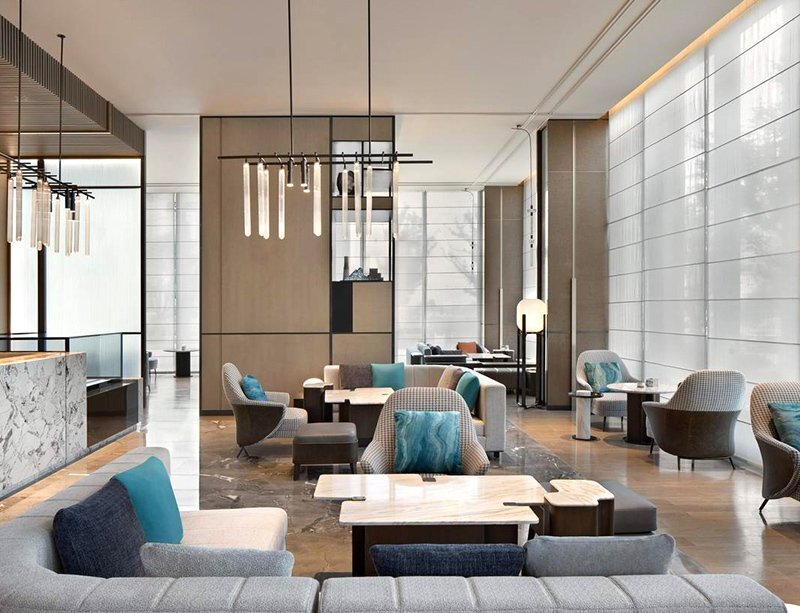
Hotel furniture suppliers provide essential furniture solutions for creating comfortable, attractive, and functional hospitality environments. Hotels require furniture that can withstand frequent use while maintaining a refined appearance and supporting the overall guest experience.
From guest rooms and suites to lobbies, restaurants, lounges, conference rooms, and administrative areas, every furniture element should be selected according to the space’s purpose, design concept, and operational requirements.
Importance of Quality Hotel Furniture
Hotel furniture experiences considerably more usage than furniture in many residential environments. Beds, wardrobes, desks, chairs, tables, reception counters, and storage units must therefore combine durability with comfort and visual appeal.
Professional hotel furniture suppliers can provide customized solutions for:
- Guest rooms
- Hotel suites
- Reception areas
- Restaurants
- Lounges
- Conference rooms
- Banquet halls
- Business centers
- Staff areas
Customized Hotel Furniture
Hotels often have specific room dimensions, brand guidelines, and furniture specifications. Customized manufacturing allows furniture to be developed according to approved designs and measurements.
Common customized solutions include:
- Beds and headboards
- Bedside tables
- Wardrobes
- Study desks
- TV units
- Luggage benches
- Reception counters
- Dining tables
- Lounge seating
- Storage cabinets
Customization can help maintain consistency across different areas of a property.
MDF vs Plywood for Hotel Furniture
MDF vs Plywood is an important consideration when selecting materials for hotel furniture and cabinetry.
MDF provides a smooth and consistent surface and can be suitable for selected decorative furniture applications. Plywood is made from layers of wood veneer and is commonly chosen for applications where strength and dimensional stability are important.
For hospitality furniture, material selection should consider expected usage, dimensions, moisture exposure, cleaning requirements, finish, durability, and budget. The right material depends on the specific application rather than appearance alone.
Guest Room Furniture
Guest room furniture should maximize comfort while making efficient use of available space.
Furniture solutions can include:
- Beds
- Headboards
- Bedside tables
- Wardrobes
- Desks
- Chairs
- Luggage benches
- Minibars
- TV cabinets
Designers and suppliers can coordinate furniture finishes with flooring, wall treatments, curtains, lighting, and other interior elements.
Lobby and Reception Furniture
The lobby creates an important first impression. Reception counters, sofas, lounge chairs, coffee tables, and display furniture should reflect the hotel’s design identity.
Customized reception furniture can incorporate branding, storage, electrical connections, and technology requirements.
Restaurant and Dining Furniture
Hotel restaurants require furniture that can withstand frequent use and regular cleaning. Suppliers can provide:
- Dining tables
- Dining chairs
- Bar stools
- Banquettes
- Buffet counters
- Service furniture
Furniture finishes should complement the restaurant’s design while meeting practical maintenance requirements.
Conference and Banquet Furniture
Hotels often require flexible furniture for meetings, conferences, weddings, and corporate events.
Solutions may include:
- Conference tables
- Meeting chairs
- Banquet tables
- Stackable chairs
- Portable furniture
- Registration counters
- Storage units
Furniture that can be moved or reconfigured can provide greater flexibility for event spaces.
Materials and Finishes
Hotel furniture can incorporate:
- Plywood
- MDF
- Veneer
- Laminates
- Solid wood
- Metal
- Glass
- Upholstery
Materials should be selected according to durability, maintenance, aesthetics, and the specific environment in which the furniture will be used.
Choosing Hotel Furniture Suppliers
Hotel owners, developers, and interior designers should evaluate suppliers based on:
- Hospitality project experience
- Manufacturing capacity
- Customization capabilities
- Material quality
- Finishing standards
- Production consistency
- Quality-control procedures
- Installation capabilities
- Delivery schedules
- After-sales support
For large hotel projects, the supplier should have sufficient production capacity to maintain consistent dimensions, finishes, and quality across multiple furniture pieces.
Importance of Project Coordination
Hotel furniture projects involve coordination between designers, architects, suppliers, contractors, and hotel operators. Accurate drawings, approved samples, material specifications, and production schedules can help reduce errors and delays.
A reliable supplier should maintain clear communication throughout design development, manufacturing, delivery, and installation.
Conclusion
Hotel furniture suppliers help hospitality businesses create comfortable, durable, and visually cohesive environments. From guest rooms and reception areas to restaurants, lounges, conference rooms, and banquet spaces, customized furniture can support both the hotel’s operational requirements and design identity.
The considerations involved in MDF vs Plywood can help decision-makers choose appropriate materials for hospitality furniture. By evaluating application, durability, moisture exposure, maintenance, finish, and expected usage, hotel owners and developers can select furniture solutions that provide long-term performance and aesthetic value.