

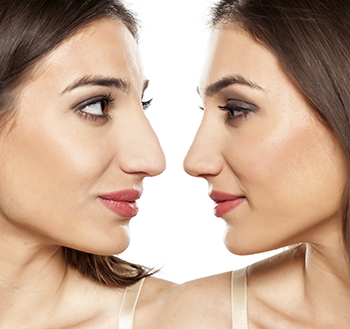
Before and after photos are one of the most useful tools in your research, but they are also easy to misread. If you are looking at galleries for Rhinoplasty in Islamabad knowing how to judge them properly can protect you from false impressions. This article explains what to look for, which tricks can mislead you and how to use photos to find a surgeon whose style matches your goals.
Why Photos Matter
Photographs show you what a surgeon’s work actually looks like, which no description can replace. They reveal the surgeon’s taste, whether results look natural, and how they handle different nose types. Reading reviews tells you about the experience, but photos tell you about the outcome. Used carefully, they are one of the best ways to judge skill before you ever walk into a consultation room.
Look for Consistency, Not One Perfect Case
Every surgeon has a few excellent cases, and clinics naturally show their best. What matters is whether the general quality is consistent across many patients. Browse through the whole gallery and notice if results look similar to each other, as if one template was applied to every face. Natural galleries show variety, because each nose was planned for a different person. Consistent, balanced results across different faces are a good sign.
Check That Photos Are Comparable
Reliable before and after photos are taken from the same angles, at the same distance and in similar lighting. Be cautious if the after photo uses better lighting, a different angle, makeup or a slight head tilt, since these can change the look of the nose. Make sure you see front, side and angled views, not only one flattering angle. The best galleries also show how long after surgery the photo was taken.
Warning Signs in Photo Galleries
Some images should make you ask questions. Watch for:
- After photos taken only a few weeks after surgery, when swelling still hides the result
- Heavy filters, retouching or very different lighting between photos
- Only one angle shown for each patient
- A gallery full of identical-looking noses
- Photos copied from other clinics or stock images
If you are unsure, ask the clinic directly whether the images are of their own patients.
Find Patients Who Look Like You
The most helpful photos are those of patients with a starting nose similar to yours, including skin thickness, ethnic features and the type of concern. A result that looks wonderful on a thin-skinned nose may be impossible on a thick-skinned one. Ask the surgeon to show examples that match your situation, and compare the changes honestly. This gives you a far more realistic view of what you may expect.
Judge Naturalness, Not Just Change
A dramatic difference is not always a good one. Look at whether the new nose suits the face, whether the profile looks balanced and whether the tip and nostrils look soft and believable. A result that looks refined but unobtrusive is often better than a very sharp one. Ask yourself whether you would recognise the person as the same, only improved. Natural harmony is the real mark of quality.
Use Photos to Communicate Your Own Goals
Bringing pictures to your consultation can help, but choose them thoughtfully. Select noses that fit faces similar to yours and point out which features you like, such as the bridge line or tip shape. Also tell the surgeon what you do not want, which can be just as helpful. Remember that photos express taste, not a guarantee, and that your anatomy decides what is possible. Open discussion turns pictures into a useful tool.
Be Careful With Computer Simulations
Some surgeons use digital imaging to show a possible outcome. This is a helpful way to discuss options, but it is not a promise. Skin thickness, cartilage strength and healing all influence the real result. Treat the simulation as a starting point for conversation and ask the surgeon how closely they expect the final nose to match it. Honest answers show professionalism.
Combine Photos With Other Checks
Photos are only one piece of the puzzle. Combine them with a face-to-face consultation, a review of the surgeon’s qualifications and honest feedback from real patients. Ask whether you can speak with a past patient or see healed results in person. A surgeon who is open and relaxed about these requests is usually confident in their work.
Conclusion
Before and after photos can guide your decision on rhinoplasty in Islamabad, as long as you read them carefully. Look for consistency, comparable angles, patients similar to you and natural-looking results rather than dramatic change. Be wary of filters, early photos and one-sided galleries, and back up what you see with a proper consultation. When photos, conversation and credentials all point the same way, you can feel far more confident in your choice.