

Introduction
Swimming pools are an important feature of many homes in San Antonio, Texas, especially during the long, hot summer months. However, extreme heat can create several challenges for maintaining clean, clear, and properly balanced pool water. High temperatures, intense sunlight, increased evaporation, and frequent swimming can affect sanitizer levels, water chemistry, and filtration performance. Without consistent maintenance, these conditions may encourage algae growth, cloudy water, unpleasant odors, and other water quality problems.
Understanding how hot weather affects swimming pools allows homeowners to take preventive measures before minor issues become expensive repairs. Regular water testing, proper filtration, and consistent cleaning are essential for maintaining a healthy swimming environment. Professional pool service San Antonio Texas can help homeowners manage seasonal water quality challenges, maintain balanced chemistry, and protect pool equipment throughout the swimming season.
1. How Extreme Heat Affects Pool Water Quality
High temperatures can influence several aspects of swimming pool maintenance. During San Antonio’s hottest months, pool water may experience increased evaporation, greater sanitizer demand, and more frequent changes in chemical balance.
Although heat alone does not automatically make pool water unsafe, it can contribute to conditions that allow microorganisms and algae to grow when sanitizer levels are inadequate. Warm water, sunlight, organic debris, and inconsistent circulation can create additional maintenance challenges.
Frequent swimming also introduces sunscreen, body oils, sweat, and other contaminants into the water. These substances increase the demand on the pool’s filtration and sanitation systems.
Homeowners should therefore monitor water quality regularly instead of relying solely on the water’s appearance. Clear water does not always indicate that sanitizer and pH levels are within the recommended ranges.
2. Increased Sunlight Can Reduce Chlorine Levels
One of the most significant summer pool maintenance challenges is chlorine loss caused by ultraviolet radiation. Chlorine helps control bacteria and other microorganisms, but direct sunlight can break down unstabilized chlorine in outdoor swimming pools.
During periods of intense sunlight, sanitizer levels may decline more quickly, particularly when stabilizer levels are inappropriate or the pool experiences heavy use.
When chlorine becomes insufficient, algae may begin developing on pool walls, steps, and other surfaces. Water can become green, cloudy, or difficult to maintain if the underlying problem is not corrected.
Homeowners should test chlorine levels according to their pool’s needs and maintain the appropriate concentration for the sanitizer system. Cyanuric acid, commonly used as a chlorine stabilizer in outdoor pools, can help reduce ultraviolet-related chlorine loss. However, excessive stabilizer levels can also interfere with chlorine effectiveness.
Regular testing and careful chemical adjustments help maintain effective sanitation throughout the summer.
3. High Temperatures Increase Water Evaporation
Extreme heat can cause swimming pools to lose significant amounts of water through evaporation. Direct sunlight, low humidity, and wind can increase the rate of water loss, requiring homeowners to refill their pools more frequently.
As water evaporates, dissolved minerals and many other nonvolatile substances remain behind. Repeated evaporation and refilling can gradually increase the concentration of minerals, including calcium, depending on the source water.
Elevated calcium concentration combined with unsuitable pH and alkalinity can encourage scale formation. These deposits may appear as white marks along the waterline, on tiles, or around pool fittings.
Homeowners can reduce evaporation by using a suitable pool cover when the pool is not in use. They should also monitor water levels and test the water after significant refilling.
If water loss appears unusually high, it is important to investigate whether a leak may be contributing to the problem rather than assuming evaporation is the only cause.
4. Warm Conditions Can Encourage Algae Growth
Algae growth is a common concern during hot weather, particularly when sanitizer levels fall or circulation becomes inadequate. Algae spores can enter pools through wind, rain, equipment, and other environmental sources.
Once suitable conditions develop, algae can multiply rapidly. Green discoloration is a familiar warning sign, although some algae may appear yellowish or form dark patches on pool surfaces.
Preventing algae requires a combination of effective sanitation, balanced water chemistry, sufficient filtration, and regular brushing. Pool owners should pay particular attention to corners, steps, shaded areas, and other locations where water circulation may be weaker.
If algae develops, simply adding extra chlorine without identifying the underlying problem may not resolve it. The correct treatment depends on the algae type, sanitizer level, water chemistry, and filtration condition.
Professional maintenance can help identify algae early, determine appropriate treatment requirements, and restore suitable water conditions while reducing the risk of recurring problems.
5. Heavy Pool Usage Introduces Additional Contaminants
San Antonio’s summer weather encourages families and guests to spend more time swimming. However, increased pool usage also introduces additional contaminants into the water.
Sunscreen, cosmetics, body oils, sweat, dirt, and other organic materials can affect water clarity and increase the workload of the sanitation and filtration systems.
When swimmer loads increase, sanitizer demand may rise. Filters may also accumulate debris more quickly, requiring closer monitoring and cleaning.
Homeowners can reduce these effects by encouraging swimmers to rinse before entering the pool, removing visible debris regularly, and checking sanitizer levels more frequently during periods of heavy use.
Maintaining appropriate circulation and cleaning schedules helps prevent contaminants from accumulating. Professional pool maintenance can also provide additional monitoring during busy swimming periods, helping homeowners maintain consistent water quality.
6. Maintaining Balanced Pool Water Chemistry
Water chemistry is essential for protecting swimmers, pool surfaces, and equipment. During hot weather, homeowners should monitor sanitizer levels, pH, total alkalinity, and calcium hardness according to the pool’s requirements.
Important Water Chemistry Factors
-
Chlorine or other sanitizer: Maintain the appropriate concentration to control microorganisms and support effective sanitation.
-
pH: Many residential pools aim for a pH of approximately 7.2–7.8, subject to the sanitizer system and manufacturer recommendations.
-
Total alkalinity: Maintain a suitable level to help stabilize pH and reduce sudden fluctuations.
-
Calcium hardness: Monitor calcium levels to help prevent scale formation or damage to compatible pool surfaces.
-
Cyanuric acid: For outdoor chlorine pools that use stabilizer, maintain an appropriate level to limit ultraviolet-related chlorine loss without excessively reducing chlorine effectiveness.
These measurements interact with one another, so chemical adjustments should be based on test results rather than guesswork.
Homeowners should follow product labels carefully and never mix pool chemicals directly together. Improper chemical handling can cause dangerous reactions or damage pool components.
7. Proper Filtration and Circulation During Summer
The filtration system removes suspended particles and helps maintain water clarity. The pump moves water through the filter and distributes treated water throughout the pool.
During periods of high temperatures and heavy swimming activity, maintaining adequate circulation becomes particularly important. Restricted water flow, dirty filters, blocked skimmer baskets, or malfunctioning pumps can reduce filtration effectiveness.
Homeowners should empty skimmer and pump baskets as needed, inspect accessible equipment, and clean filters according to the manufacturer’s instructions. Pump operating schedules should be appropriate for the pool’s size, equipment, environmental conditions, and usage.
Running the pump longer does not automatically solve every water quality problem. Proper filtration must be combined with effective sanitation and balanced chemistry.
If circulation remains weak or water becomes cloudy despite routine cleaning, a professional inspection can help identify the cause and determine whether the system needs maintenance or repair.
8. How Professional Pool Service Helps During Extreme Heat
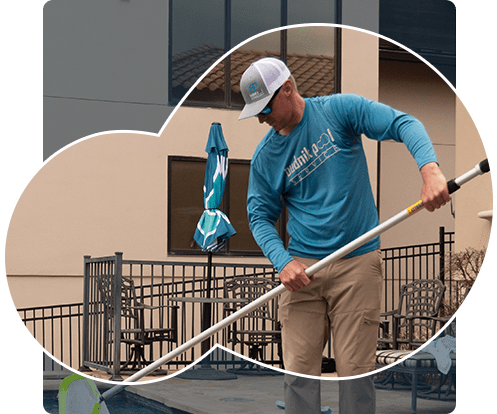
Professional maintenance can help homeowners manage the additional demands that summer weather places on swimming pools. Experienced technicians can test water chemistry, inspect equipment, clean essential components, and recommend appropriate adjustments based on actual pool conditions.
Homeowners searching for pool service San Antonio Texas should consider providers that offer consistent water testing, chemical balancing, filter maintenance, algae prevention, and equipment inspections.
A professional service visit may include checking sanitizer and pH levels, examining water clarity, removing debris, inspecting pump operation, and evaluating filter performance. Technicians can also identify early signs of scale formation, leaks, or equipment wear.
Regular service is especially useful for homeowners who experience recurring algae problems, difficulty maintaining chemical balance, or limited time for weekly maintenance.
A dependable provider should explain test results, document recommended treatments, and help homeowners understand which maintenance tasks require immediate attention.
9. Create a Summer Pool Maintenance Routine
A consistent maintenance schedule helps prevent common water quality problems during San Antonio’s hot summer months.
Homeowners can follow these practical steps:
-
Test water regularly: Check sanitizer and pH levels frequently, increasing testing when temperatures or swimming activity rise.
-
Remove debris: Skim the water, clean baskets, and brush surfaces to reduce contaminant buildup.
-
Monitor water levels: Refill the pool when necessary and investigate unusual water loss.
-
Inspect filtration equipment: Watch for changes in filter pressure, circulation, or pump noise.
-
Maintain balanced chemistry: Adjust chemicals according to test results and product instructions.
-
Use a pool cover: Reduce evaporation when the pool is not being used, following appropriate safety precautions.
-
Schedule professional inspections: Arrange maintenance based on pool usage, equipment condition, and seasonal requirements.
These steps provide a practical foundation for preventing avoidable problems. The exact frequency of maintenance should reflect the pool’s condition, weather, and manufacturer’s recommendations.
Conclusion
San Antonio’s extreme summer heat can make swimming pool maintenance more demanding by increasing evaporation, accelerating chlorine loss through sunlight, encouraging algae growth when sanitation is inadequate, and placing additional demands on filtration systems. Frequent swimming can further affect water chemistry by introducing oils, sunscreen, and other contaminants.
Regular water testing, balanced chemistry, effective filtration, and preventive cleaning help homeowners maintain clean and comfortable swimming conditions. Professional inspections can identify developing problems, protect equipment, and reduce the likelihood of expensive repairs.
Choosing a reliable pool service San Antonio Texas provider can help homeowners establish a maintenance routine tailored to their pool and local climate. With consistent care and appropriate professional support, pool owners can enjoy clearer water, reliable equipment performance, and a well-maintained swimming pool throughout the summer season.