

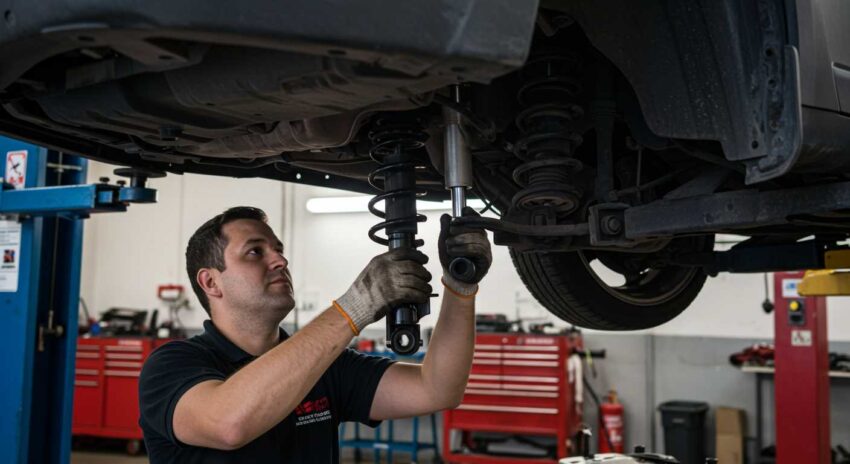
Every driver wants a vehicle that feels stable, responsive, and comfortable on the road. While engines, tyres, and brakes often receive the most attention, shocks and struts are equally important components that influence how a vehicle performs. They play a major role in maintaining stability, improving steering response, and keeping the tyres firmly connected to the road surface.
Fairmount Tire offers expert Tire Services, including installation, balancing, rotations, repairs, and replacements. Their skilled technicians help improve handling, extend tyre life, enhance safety, and deliver a smooth, comfortable driving experience.
Shocks and struts are key parts of a vehicle’s suspension system. Although they perform similar functions, they are not exactly the same. Shock absorbers control the movement of the suspension, while struts combine the functions of a shock absorber with additional structural support for the suspension system. Together, they help drivers maintain better control of their vehicles in different driving conditions.
Why Vehicle Handling Matters
Vehicle handling refers to how well a car responds to steering, braking, acceleration, and road conditions. A vehicle with good handling feels balanced and predictable, making it easier to drive safely. Whether navigating city traffic, taking sharp turns, driving on highways, or travelling on uneven roads, proper handling gives drivers greater confidence behind the wheel.
Poor handling can make a vehicle feel unstable, increase stopping distances, reduce steering accuracy, and create discomfort for passengers. This is why maintaining the suspension system, including shocks and struts, is essential for both safety and driving performance.
Keeping the Tyres in Contact with the Road
One of the most important jobs of shocks and struts is to keep the tyres in continuous contact with the road. Every road contains imperfections such as potholes, bumps, uneven pavement, and speed breakers. When a vehicle encounters these obstacles, the wheels naturally move up and down.
Without properly functioning shocks and struts, the tyres may bounce excessively, reducing the amount of contact they have with the road. This loss of traction can affect steering, braking, and acceleration. Good shocks and struts quickly absorb these movements, allowing the tyres to regain full contact with the road surface almost immediately.
Better tyre contact means improved grip, which directly contributes to better vehicle handling in both dry and wet conditions.
Improving Steering Response
Drivers expect their vehicles to respond accurately whenever they turn the steering wheel. Worn suspension components can create delayed or unpredictable steering, making the vehicle harder to control.
Shocks and struts help maintain proper suspension geometry, ensuring that the steering system responds smoothly to driver input. They minimise unnecessary body movement and reduce the delay between steering action and vehicle response.
This becomes especially noticeable during highway driving, lane changes, and cornering, where precise steering control is essential for safe driving.
Reducing Body Roll During Turns
When a vehicle takes a corner, its weight naturally shifts toward the outside of the turn. Excessive body roll can make the vehicle feel unstable and reduce driver confidence.
High-quality shocks and struts help control this weight transfer by limiting unnecessary suspension movement. Instead of leaning excessively, the vehicle remains more balanced throughout the turn.
Reduced body roll not only improves comfort but also allows drivers to maintain better control, especially during emergency manoeuvres or when driving at higher speeds.
Fairmount Tire offers professional Shocks and Struts Repair services to restore ride comfort, improve handling, enhance steering and braking performance, extend tyre life, and ensure safer, more stable driving.
Enhancing Braking Performance
Many drivers don’t realise that shocks and struts also influence braking efficiency. During hard braking, the front of the vehicle naturally dips forward due to weight transfer.
Healthy shocks and struts control this forward movement, helping maintain better balance across all four wheels. This allows the braking system to work more effectively by keeping the tyres firmly planted on the road.
Vehicles with worn shocks often experience longer stopping distances because the tyres cannot maintain consistent road contact during sudden braking. Replacing worn suspension components helps improve braking stability and overall vehicle control.
Providing Better Stability at High Speeds
Highway driving places greater demands on a vehicle’s suspension system. At higher speeds, even small road imperfections can create noticeable vibrations if the suspension is not functioning properly.
Good shocks and struts absorb these impacts before they affect vehicle stability. They reduce excessive bouncing, minimise vibrations, and help the vehicle remain composed over long distances.
Drivers often notice that vehicles with new shocks and struts feel smoother and more stable, requiring fewer steering corrections while travelling on highways.
Improving Comfort Without Sacrificing Control
Ride comfort and vehicle handling go hand in hand. A suspension system that effectively absorbs bumps allows passengers to enjoy a smoother journey while still maintaining excellent road control.
Shocks and struts prevent excessive bouncing after driving over rough surfaces. Instead of continuing to oscillate after every bump, the suspension quickly settles back into position.
This controlled movement reduces driver fatigue, improves passenger comfort, and creates a more enjoyable driving experience without compromising vehicle stability.
Supporting Safe Driving in Wet Conditions
Rain, slippery roads, and standing water reduce tyre grip, making proper suspension performance even more important.
When shocks and struts are working correctly, they keep the tyres firmly pressed against the road surface, allowing them to channel water away more effectively. This helps reduce the chances of losing traction and improves steering and braking performance during wet weather.
Drivers benefit from greater confidence and improved vehicle control when travelling in challenging weather conditions.
Helping Maintain Proper Wheel Alignment
Wheel alignment and suspension performance are closely connected. Even if a vehicle has recently undergone wheel alignment, worn shocks or struts can negatively affect tyre positioning during driving.
Good shocks and struts support proper suspension alignment by controlling wheel movement. This helps the tyres maintain consistent contact with the road and prevents unnecessary suspension shifts.
As a result, the vehicle tracks straighter, steering remains more accurate, and tyres wear more evenly over time.
Extending Tyre Life
Uneven tyre wear is often linked to suspension problems. When shocks and struts fail to control wheel movement, tyres repeatedly bounce against the road surface instead of rolling smoothly.
This irregular contact causes uneven tread wear, reducing tyre lifespan and affecting overall vehicle handling.
Replacing worn shocks and struts helps tyres wear evenly, improving both performance and long-term maintenance costs. Healthy tyres combined with a properly functioning suspension system create a safer and more efficient driving experience.
Improving Control During Emergency Situations
Unexpected situations require quick reactions from both the driver and the vehicle. Whether avoiding an obstacle, making a sudden lane change, or braking sharply, vehicle stability becomes extremely important.
Shocks and struts help control body movement during these rapid manoeuvres. They minimise excessive weight transfer and keep the vehicle balanced, allowing the tyres to maintain maximum traction.
This additional stability gives drivers better control during emergencies and can help reduce the likelihood of losing control.
Signs That Shocks and Struts May Need Replacement
Like all automotive components, shocks and struts wear out over time. Drivers should watch for signs such as excessive bouncing after hitting bumps, poor steering response, increased body roll during turns, uneven tyre wear, nose-diving while braking, fluid leaks from the shock absorbers, or unusual suspension noises.
Ignoring these warning signs can gradually reduce vehicle handling, increase maintenance costs, and compromise driving safety. Regular inspections help identify suspension problems before they become more serious.
Regular Maintenance Keeps the Suspension Performing Well
Routine vehicle maintenance should always include suspension inspections. Automotive professionals can examine shocks, struts, mounting components, springs, and related suspension parts for signs of wear or damage.
Manufacturers often recommend inspecting shocks and struts during regular service intervals, particularly after high mileage or when driving conditions involve rough roads. Replacing worn components promptly helps preserve ride quality, handling performance, tyre life, and overall safety.
Preventive maintenance also reduces the likelihood of more expensive suspension repairs in the future.
Conclusion
Shocks and struts are essential components that significantly influence vehicle handling, comfort, and safety. By controlling suspension movement, maintaining tyre contact with the road, improving steering response, reducing body roll, enhancing braking stability, and supporting wheel alignment, they help drivers maintain better control in a wide range of driving conditions.
Whether travelling through busy city streets, driving on highways, or navigating uneven roads, a properly functioning suspension system contributes to a smoother, safer, and more confident driving experience. Regular inspection and timely replacement of worn shocks and struts ensure that the vehicle continues to perform at its best while protecting passengers and extending the life of other important components.