
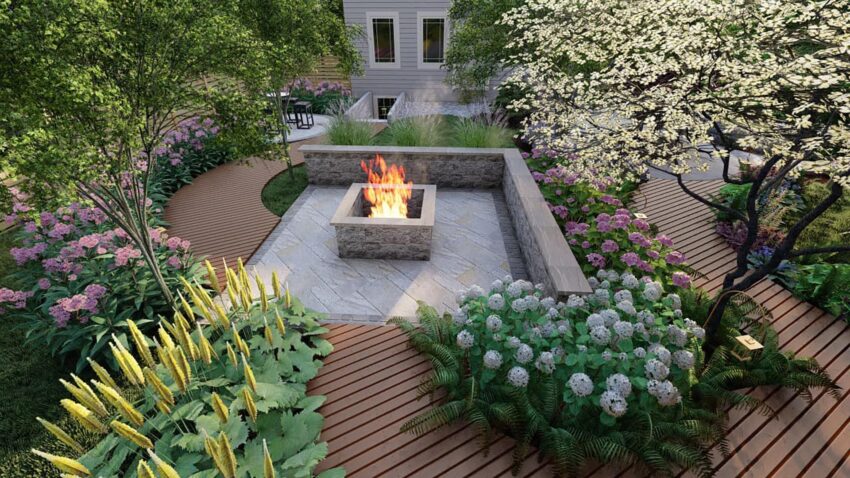
A successful landscape should look attractive in every season, not just during the peak of spring or summer. In Anne Arundel County, changing temperatures, rainfall, sunlight, soil conditions, and seasonal plant growth all influence how an outdoor space performs throughout the year. A thoughtful landscape design anne arundel county md plan considers these conditions before plants, patios, pathways, or other features are installed. The goal is to create a landscape that remains functional, visually interesting, and manageable through every season. Careful planning also helps homeowners avoid costly changes caused by poor plant placement, drainage issues, or incompatible materials.
Start With the Property and Its Natural Conditions
Before selecting plants or designing hardscape features, evaluate the property as it exists today. Pay attention to areas that receive full sun, partial shade, or limited sunlight throughout the day, because these conditions can change which plants are likely to perform well. Soil type, drainage, slopes, existing trees, wind exposure, and water movement should also be documented during the planning stage. Existing features such as mature trees, fences, structures, utilities, and walkways can influence the layout. Understanding the site first creates a stronger foundation for every design decision that follows.
Drainage deserves particular attention because excessive moisture and poor runoff patterns can create long-term landscape problems. Water that collects around foundations, patios, planting beds, or walkways can contribute to erosion, settlement, muddy areas, and plant stress. Grading should be considered alongside planting and hardscape rather than treated as an issue to solve after construction. If a property has significant elevation changes, drainage challenges, or complicated site conditions, professional evaluation can help identify practical solutions. Addressing these factors early is generally easier than correcting them after the landscape has been installed.
Choose Plants for All Four Seasons
Year-round interest begins with choosing a diverse range of plants rather than relying on one type of seasonal display. Trees, shrubs, perennials, ornamental grasses, and groundcovers can each contribute different colors, textures, flowers, foliage, berries, or structural forms. Some plants provide their strongest visual impact in spring, while others become more prominent during summer, fall, or winter. Combining these characteristics creates a landscape that changes naturally as the seasons progress. Plant diversity can also make the outdoor space feel more established and visually balanced.
Plant selection should always consider mature size and growing requirements. A shrub that fits perfectly into a planting bed when newly installed may eventually become too large for the available space. Similarly, a tree placed too close to a walkway, patio, home, or utility feature may create maintenance and access challenges as it grows. Grouping plants with similar water, sunlight, and soil requirements can simplify long-term care. A professional landscape design anne arundel county md plan should therefore consider not only how plants look today but also how they will develop over several years.
Build Structure With Hardscape Features
Plants provide seasonal change, but hardscape elements give the landscape permanent structure. Patios, walkways, retaining walls, steps, seating walls, outdoor kitchens, and other constructed features can define how different areas of the property are used. These elements should be positioned according to the home’s architecture, existing grades, circulation patterns, and intended activities. A patio for entertaining may require a different layout than a secluded garden area designed for quiet relaxation. Good hardscape planning creates usable outdoor rooms without making the landscape feel disconnected from its natural surroundings.
Material selection also affects year-round performance. Pavers, natural stone, concrete, brick, and other hardscape materials have different appearances, maintenance needs, installation requirements, and durability characteristics. A hardscape contractor annapolis md can help homeowners compare suitable options based on how a particular space will be used. Surface texture, drainage, edging, joint details, and base preparation should all be considered before installation begins. Choosing materials based on both aesthetics and practical performance can help the finished landscape remain attractive and functional through changing weather conditions.
Plan for Seasonal Maintenance
Even a well-designed landscape needs regular care to remain healthy and attractive. Spring maintenance may involve inspecting hardscape surfaces, refreshing planting beds, pruning selected plants, checking drainage, and addressing winter-related damage. Summer care often focuses on irrigation, weed management, mowing, pruning, and monitoring plants for signs of heat or water stress. Fall provides an opportunity to remove excessive debris, prepare certain plants for colder weather, and inspect outdoor structures. A seasonal maintenance plan prevents small issues from becoming larger problems.
Winter planning should also be part of the original landscape strategy. Some plants provide valuable structure when flowering has ended, while evergreen species can maintain visual interest during colder months. Hardscape areas should be kept clear of excessive debris and monitored for drainage or surface issues. Outdoor furniture, irrigation components, lighting, and other features may require seasonal preparation depending on their design and materials. When maintenance requirements are considered during the design stage, homeowners are more likely to end up with a landscape that fits their available time and resources.
Create Layers of Color, Texture, and Height
A landscape can feel more dynamic when plants are arranged in layers rather than placed at a single height. Taller trees and shrubs can form a background, medium-height plants can establish the middle layer, and lower perennials or groundcovers can fill spaces near paths and hardscape edges. This approach can provide depth while creating smoother transitions between structures and planting areas. Different leaf shapes, bark textures, flower forms, and seasonal colors can further increase visual interest. Layered planting can also help define spaces without relying entirely on fences or walls.
Color should be planned with the entire year in mind. Spring flowers may provide an early burst of color, while summer plants can maintain interest through warmer months. Fall foliage and berries can extend seasonal appeal, and evergreen plants can provide structure when many deciduous species lose their leaves. Using too many competing colors can make a landscape feel visually busy, so repetition and balance are important. A carefully selected palette creates a more cohesive appearance and allows individual plants or features to stand out.
Connect Landscaping With Outdoor Living Areas
A year-round landscape should support how homeowners actually use their property. If the household frequently entertains, the design might prioritize a spacious patio, convenient pathways, outdoor lighting, and planting that frames the gathering area without restricting movement. Families may benefit from open lawn areas, durable surfaces, shade, and clearly defined activity zones. Garden enthusiasts may prefer larger planting beds and dedicated areas for seasonal interest. Designing around real activities ensures that the landscape is not simply decorative but becomes a functional extension of the home.
Connections between different areas are equally important. Walkways should provide comfortable routes between entrances, patios, gardens, driveways, and other frequently used locations. Changes in elevation may require steps, grading solutions, or retaining features to make movement safer and more practical. A hardscape contractor annapolis md can coordinate these structural components with the planting plan so that the finished landscape feels intentional. When hardscape and landscaping are designed together, transitions tend to look more natural and the property becomes easier to navigate.
Consider Water, Lighting, and Long-Term Efficiency
Water management and irrigation should be considered before planting beds and hardscape features are finalized. Plants with similar moisture requirements can be grouped together, reducing unnecessary irrigation and making maintenance easier. Areas that naturally receive more water can be planted differently from dry or elevated portions of the property. Efficient irrigation should deliver water where it is needed without creating excessive runoff or standing water. These decisions can improve plant performance while helping homeowners manage ongoing maintenance.
Outdoor lighting can extend the usefulness of the landscape after sunset and highlight important design elements. Path lighting can help define walkways, while strategically placed fixtures can emphasize trees, walls, architectural features, or gathering spaces. Lighting should be planned carefully so that fixtures do not interfere with plant growth or create excessive glare. Combining lighting with thoughtful planting and hardscape design can make the property feel more inviting during evening hours. Because lighting infrastructure may need to be installed before certain surfaces or planting areas are completed, it should be included in the overall plan.
Work With a Professional From the Beginning
Professional landscape planning can be especially valuable when a property includes slopes, drainage challenges, extensive planting, or multiple hardscape features. An experienced professional can help evaluate the site, develop a cohesive layout, select appropriate materials, and identify potential maintenance concerns before installation begins. Homeowners should ask about previous projects, construction methods, material recommendations, and how the design will respond to the site’s specific conditions. Clear communication is an important part of creating realistic expectations. A detailed plan can also help coordinate landscaping, hardscaping, lighting, drainage, and outdoor living features.
The best year-round landscape is one that balances beauty with practicality. Instead of choosing features individually, homeowners should consider how every part of the property will work together as plants mature and seasons change. A well-planned landscape design anne arundel county md project can provide seasonal color, functional outdoor spaces, improved circulation, and long-term visual appeal. With the right preparation, appropriate plants, durable hardscape materials, and realistic maintenance expectations, an outdoor space can remain enjoyable throughout the year. Thoughtful design today can make the property easier to maintain and more rewarding to use for many years to come.