
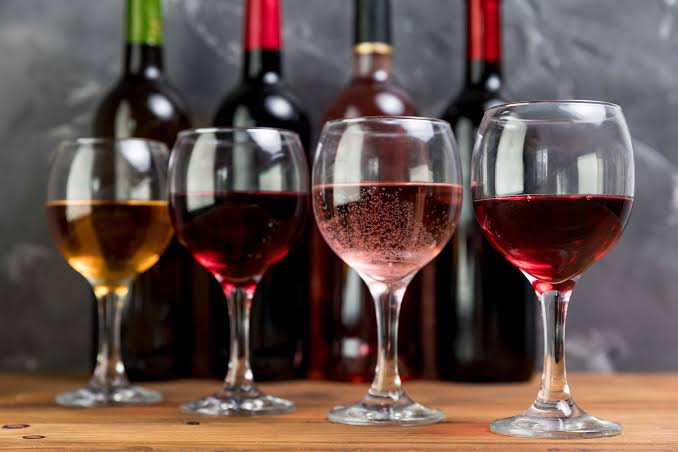
There’s a unique joy in opening a fine bottle of wine after a long day. Armenia’s winemaking tradition runs thousands of years deep, and living in Yerevan means having access to incredible local Areni, Voskehat, and world-class international vintages.
However, loving wine and maintaining its quality at home are two very different things.
Yerevan presents a unique environment for bottle storage. With sizzling summers reaching over 40°C and sharp, dry winters, maintaining a consistent environment inside a city apartment can be surprisingly tricky. If you leave a delicate bottle on a sunny kitchen counter in July, you’re essentially cooking it.
Here is a practical guide on how to store wine at home and master effective wine preservation in Yerevan’s distinct climate.
- Temperature Control: Yerevan’s Biggest Hurdle
The single greatest enemy of wine is extreme heat and fluctuation.
The sweet spot for storing nearly all wine—whether red, white, or sparkling—is around 12°C to 15°C. While minor shifts are acceptable over months, rapid swings in temperature expand and contract the liquid inside the bottle. This can push the cork out slightly, break the seal, and allow oxygen to seep in, prematurely aging or oxidizing your bottle.
The Yerevan Summer Reality
In July and August, indoor temperatures without central air conditioning can easily top 30°C.
- The Danger Zone: Above 21°C, wine ages faster than it should. Above 24°C, the delicate aromas begin to flatten and taste “cooked.”
- The Solution: If you don’t own a dedicated wine fridge, locate the coolest, most temperature-stable spot in your home. This is often an interior closet, a dark hallway away from exterior walls, or a basement level. Never keep long-term bottles in the kitchen, near ovens, or on top of refrigerators where heat accumulates.
- Managing Humidity & Cork Integrity
While heat gets most of the attention, humidity plays a vital supporting role in wine preservation. Ideal relative humidity sits between 60% and 70%.
Why does this matter? If the air is too dry, natural corks begin to shrink and dry out. Once a cork loses its elasticity, microscopic air channels open up, letting oxygen destroy the wine. On the flip side, if humidity is too high (above 80%), you run the risk of mold growing on labels—though the wine inside remains safe.
Yerevan’s winters can get remarkably dry once municipal heating kicks in. If you store bottles sealed with natural corks for more than a few months:
- Store your bottles horizontally (lying flat).
- Keep them away from direct airflow from air conditioners or heating vents.
- Position Matters: Always Store Horizontal
If your bottle has a natural cork, always store it on its side.
When a bottle lies horizontally, the liquid stays in constant contact with the bottom of the cork. This keeps the cork moist, expanded, and airtight. Storing a corked bottle vertically for extended periods causes the cork to dry from the inside out, leading to oxidation.
Note: Screw-cap bottles and synthetic corks don’t rely on moisture to maintain their seal, so they can be stored upright or horizontally without issue.
- Keep Away from Sunlight and Vibration
Light damage often called “light-strike”—occurs when UV rays interact with compounds in the wine, creating unpleasant sulfur-like aromas. Dark glass bottles offer some protection, but they aren’t completely immune.
- Light: Store your collection in a dark room, closet, or tinted cabinet. Avoid clear glass display cases that catch morning or afternoon sun.
- Vibration: Persistent vibrations from appliances like washing machines or large refrigerators can disturb the natural sediment in aged wines, speeding up undesirable chemical reactions. Keep your rack on a solid, stationary surface.
- What to Do with Open Bottles
Once you pull the cork, the countdown starts. Oxygen turns from a friend (helping the wine breathe initial aromas) into a force that flattens flavor.
- Sparkling Wines: Last roughly 1 to 3 days after opening. Use a high-pressure champagne stopper immediately to trap carbonation.
- Light Whites & Rosé: Last 3 to 5 days. Recork the bottle tightly and store it in your main refrigerator.
- Rich Whites & Full Reds: Last 3 to 5 days. Recork, keep cool, and consider using a hand vacuum pump stopper to pull excess air out.
- Fortified Wines: Can last 28 days or longer when recorked and stored upright in a cool, dark place.
When saving an open bottle in Yerevan’s warmer months, put both white and red wines directly into the main refrigerator door. Cold temperatures slow down oxidation significantly. Just remember to take your red wine out roughly 30 to 45 minutes before serving so it returns to a pleasant room temperature (16°C to 18°C).
For an extensive selection of local Armenian bottles and fine imported vintages ready for your collection, visit vinovino.am.
Quick Checklist for Yerevan Wine Storage
- Avoid Hot Spots: Keep bottles far away from sunlit windows, kitchens, and south-facing exterior walls.
- Lay Them Down: Keep natural cork bottles horizontal at all times.
- Chill Open Bottles: Put open reds in the fridge to extend their drinkability by a few days.
- Invest in a Cooler: If you collect high-end vintage bottles long-term, a small thermoelectric wine cooler is worth every dram.
With just a few simple adjustments to offset season-to-season climate shifts, you can preserve every bottle at its peak flavor!