

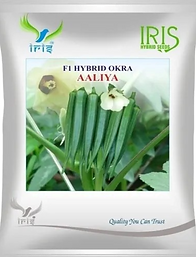
Okra, commonly known as bhindi or ladyfinger, is a popular vegetable crop in India. Its demand in local markets makes it an attractive option for many vegetable growers. Choosing suitable seeds is an important step toward producing healthy plants, quality pods, and a productive harvest. Hybrid Okra Seeds are developed to combine desirable characteristics that can support uniform crop growth, attractive pod quality, and improved productivity under suitable growing conditions.
Understanding Hybrid Okra Seeds
F1 hybrid seeds are produced by crossing selected parent plants to combine useful traits. In okra cultivation, these traits may include early maturity, green and glossy pods, vigorous plant growth, and tolerance to particular diseases or environmental stresses.
Different hybrid varieties offer different characteristics, so farmers should select seeds according to their region, growing season, soil conditions, and market requirements. Proper crop management is equally important for achieving good results.
Benefits of Choosing Quality Okra Seeds
Selecting a suitable hybrid variety can help farmers plan their cultivation more effectively. Depending on the variety, potential benefits include:
- Attractive pod quality: Green colour, suitable length, and uniform appearance can support market acceptance.
- Early harvesting: Some hybrids mature earlier than others, allowing farmers to plan harvests according to market demand.
- Productive growth: Suitable varieties may offer good yield potential when grown under recommended conditions.
- Disease tolerance: Certain hybrids are selected for tolerance to specific diseases, helping farmers manage crop risks.
- Commercial suitability: Consistent pod characteristics can make harvesting, sorting, and selling easier.
Actual performance depends on the selected variety, weather, soil fertility, irrigation, and crop protection practices.
Popular Hybrid Okra Varieties from Iris Seeds
Iris Hybrid Seeds offers several F1 hybrid okra varieties for farmers interested in commercial vegetable cultivation. These include Shivani, Rasika, Aaliya, and Nargis.
According to the company’s product information, Shivani produces attractive green, glossy pods and has an approximate maturity period of 40–45 days. Rasika has an approximate maturity period of 42–48 days and is described as tolerant to okra leaf curl virus, yellow vein mosaic virus, and enation leaf curl virus. Aaliya and Nargis are also listed as early varieties with green, glossy pods.
Farmers should check the specific variety details and growing recommendations before purchasing seeds, as characteristics differ between hybrids.
Tips for Successful Okra Cultivation
Successful okra farming begins with selecting a suitable field with fertile, well-drained soil. Prepare the land properly and sow seeds at the recommended depth and spacing for the selected variety.
Okra generally performs well in warm weather and requires adequate sunlight. Maintain consistent soil moisture, particularly during germination and active growth, while avoiding waterlogging. Apply fertilisers according to soil conditions and crop requirements.
Regularly inspect plants for pests and disease symptoms. Use appropriate integrated pest management practices and follow local agricultural recommendations for crop protection. Harvest pods at the recommended stage to maintain tenderness and market quality.
Why Explore Iris Hybrid Okra Seeds?
Selecting a suitable seed supplier can help farmers compare varieties and find options for their cultivation needs. Iris Hybrid Seeds provides a range of vegetable seeds, including okra hybrids developed with different crop characteristics.
Farmers can explore the available options through the official Hybrid Okra Seeds collection by Iris Seeds. Reviewing individual variety descriptions can help growers identify seeds that match their climate, preferred pod characteristics, and harvesting plans.
Conclusion
Hybrid Okra Seeds offer farmers an opportunity to explore varieties with desirable traits such as early maturity, attractive pods, and specific disease tolerances. However, seed selection should always be combined with suitable soil preparation, balanced nutrition, proper irrigation, and regular crop monitoring.
By choosing an appropriate variety and following recommended cultivation practices, farmers can make informed decisions for their vegetable production. Explore the okra seed range from Iris Hybrid Seeds to learn more about available varieties and their features.