
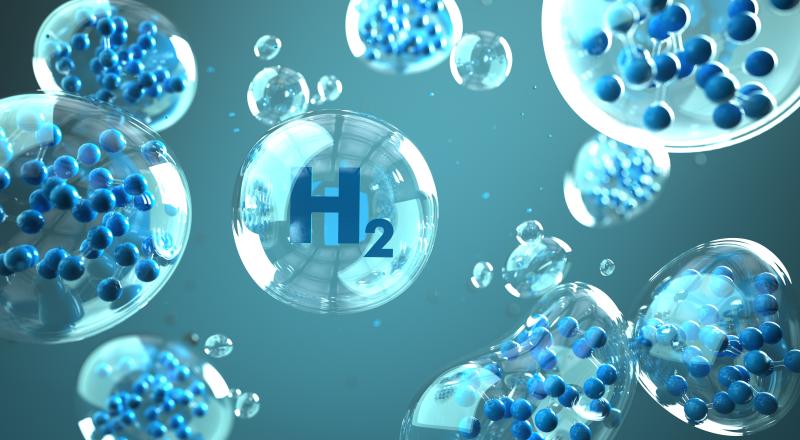
Hydrogen, the universe’s most abundant element, is quickly emerging as a game-changer in the global clean energy transition. While it has long been used in refining and industrial processes, it is now being reimagined as a powerful, low-carbon energy carrier with the ability to decarbonize critical sectors.
A High-Energy, Low-Emission Solution
Hydrogen is a colorless, odorless gas known for its high energy density—nearly three times that of gasoline. However, it isn’t readily found in nature and must be extracted from other compounds like water or hydrocarbons. How it’s produced makes a major difference in its environmental impact.
This has led to the use of a “color code” classification:
- Grey hydrogen is made from natural gas but emits CO₂.
- Blue hydrogen uses the same method but incorporates carbon capture and storage (CCS).
- Green hydrogen is the cleanest, produced via electrolysis using renewable energy and resulting in zero emissions.
Other emerging forms include turquoise hydrogen (via methane pyrolysis) and pink hydrogen (via nuclear-powered electrolysis), each offering unique pathways to reduce emissions.
Applications Across Multiple Sectors
What makes hydrogen especially promising is its versatility.
In the transportation sector, hydrogen powers fuel cell electric vehicles (FCEVs), which are ideal for long-haul trucks, buses, trains, and even ships due to their quick refueling times and extended range.
In industry, hydrogen is being used to reduce emissions from energy-intensive operations like steel and cement production—processes that are difficult to electrify.
Hydrogen also plays a growing role in energy storage. It helps balance renewable energy supply and demand by storing surplus electricity and feeding it back into the grid when needed.
In the residential and commercial space, hydrogen is being blended with natural gas or used in stationary fuel cells to provide clean heating and backup power.
The Infrastructure Push
Despite its advantages, hydrogen still requires massive infrastructure investment to scale. This includes:
- Expanding electrolyzer capacity
- Developing hydrogen refueling stations
- Building safe storage and transport systems
- Constructing dedicated pipelines for large-scale distribution
Governments and industries are already taking action. Japan is leading with national integration plans, while the EU aims to produce 10 million tonnes of green hydrogen annually by 2030. India and Australia are also positioning themselves as global exporters.
Benefits vs. Barriers
Hydrogen’s benefits are clear: it produces no emissions at the point of use, has high energy content, and serves as a bridge to cleaner systems across sectors.
However, there are hurdles to overcome. Green hydrogen remains costly, and the overall energy efficiency—due to conversion and storage losses—can be a concern. Safety, standardization, and infrastructure development are also ongoing challenges.
Looking Forward
The global hydrogen economy is no longer just a concept—it’s happening. As renewable energy costs drop and technology advances, hydrogen is becoming more accessible and commercially viable.
From powering vehicles and factories to supporting power grids and enabling a circular energy economy, hydrogen is poised to be a key pillar in the journey toward net-zero.
The road ahead may have complexities, but with the right investments, policies, and innovation, hydrogen will help fuel a cleaner, more resilient energy future.