
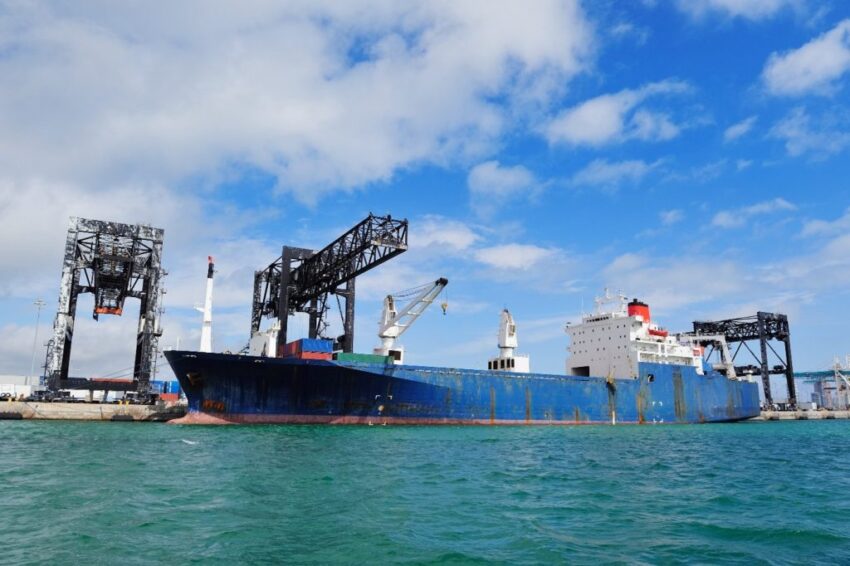
Moving a massive turbine, factory machine, or industrial structure across countries is not as simple as booking a truck and waiting for delivery. These shipments require careful planning because one small mistake in size, timing, or route can create costly delays. That is why businesses rely on project cargo logistics Texas solutions to manage complex freight movements from the first planning stage to the final delivery point.
How Do Logistics Experts Plan Large-Scale Cargo Movements?
Successful project cargo movement starts before the shipment leaves the facility. Logistics teams first study the cargo details, destination requirements, and possible transportation challenges. The planning process usually includes:
- Cargo Assessment – Experts review the size, weight, shape, and special requirements of the shipment.
- Route Planning – Teams check roads, ports, bridges, and other transportation points to find a suitable path.
- Transportation Coordination – Different partners, including ocean carriers, trucking companies, customs teams, and handling providers, work together.
- Final Delivery Preparation – The team confirms unloading plans and ensures the cargo reaches the project site safely.
Why Do Companies Choose Specialized Project Cargo Partners?
Handling complex freight alone can become overwhelming. Businesses must manage several moving parts at once, from carrier schedules to international regulations. That is where experienced project cargo freight forwarders provide value. A reliable logistics partner helps with:
- Selecting the right transportation methods
- Managing international freight documentation
- Coordinating multiple service providers
- Tracking shipment progress
- Solving unexpected transportation issues
How Does Project Cargo Move From Origin to Final Destination?
A successful project cargo shipment does not happen by chance. Unlike standard freight, these shipments require careful coordination between multiple teams, locations, and transportation methods. Every detail matters because a delay at one stage can affect an entire construction project, manufacturing operation, or industrial installation.
That is why businesses use a planned approach when handling project cargo shipping. The process focuses on reducing risks, keeping schedules on track, and making sure large equipment reaches the right location safely.
How Do Businesses Handle Risks During Project Cargo Movement?
Large shipments come with more challenges than regular freight. A small mistake in planning can lead to delays, extra costs, or safety concerns. Businesses reduce risks by preparing for issues before they happen. Some important areas include:
- Checking transportation routes early
- Preparing customs documents correctly
- Confirming equipment availability
- Building backup plans for unexpected delays
- Working with experienced logistics providers
How Does Project Cargo Support Different Industries?
Different industries have different shipping needs. However, they all share one common challenge: moving large and complex items safely. Some key industries that use project cargo solutions include:
- Energy and Oil & Gas
Energy projects often involve equipment such as turbines, generators, drilling components, and large machinery. These items require special transportation plans because of their size and weight.
For example, an energy company building a new facility may need to move a large turbine from a manufacturer to a remote project location. The shipment may involve ocean freight, specialized trucks, and heavy lifting equipment.
- Manufacturing and Industrial Projects
Manufacturers often need to transport production equipment, factory parts, and industrial systems across borders.
A new factory setup may require several large machines to arrive at the right time and location. If one piece arrives late, installation work may stop.
Project cargo planning helps companies:
- Schedule equipment deliveries properly
- Coordinate multiple shipments
- Reduce delays during installation
- Keep production plans on track
- Construction and Infrastructure
Large construction projects often depend on oversized equipment and materials. Bridges, airports, power plants, and commercial facilities may require items that cannot move through standard shipping channels.
These shipments need detailed planning because transportation teams must consider:
- Road access to the project site
- Equipment unloading requirements
- Local transportation rules
- Weather conditions
Let’s Rewind
Project cargo requires more than simply transporting large items from one place to another. It requires detailed planning, careful coordination, and knowledge of global shipping processes. Companies involved in major industrial projects depend on reliable logistics support to handle complex movements safely and efficiently. With professional project cargo logistics Texas solutions, businesses can manage oversized equipment, international routes, and challenging deliveries with greater confidence.