
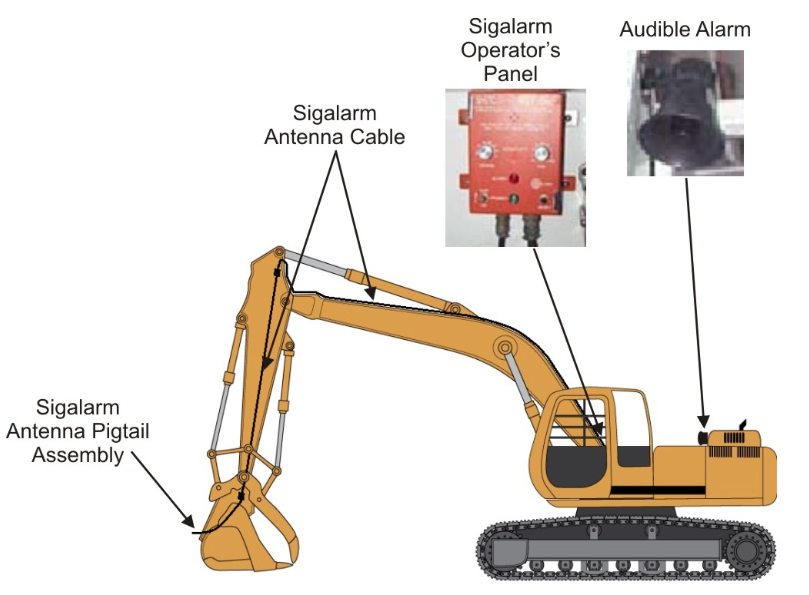
Crane safety has changed a lot in recent years, and older alarm systems may not keep up with today’s needs. If you still rely on the Sigalarm 210 legacy system for cranes, it may be time to review its performance, safety level, and long term value.
Why Older Crane Alarm Systems Fall Behind
The Sigalarm 210 system was once a trusted solution. It helped improve safety and communication on job sites. But technology has moved forward quickly.
Older systems often have limited range, basic alerts, and fewer smart features. This can lead to delays in warning signals or missed alerts during critical moments. In busy work zones, even a small delay can increase risk.
Another concern is maintenance. Legacy systems may require more repairs and spare parts that are harder to find. This can lead to higher costs over time.
Key Signs Your System Needs an Upgrade
If your crane alarm system shows any of these signs, it may be outdated:
- Frequent signal drops or weak communication
- Limited alert types with no customization
- High maintenance costs
- Difficulty finding replacement parts
- No support for modern safety standards
These issues can affect both safety and productivity. Teams may not receive alerts clearly, which can slow down operations or cause confusion.
How Modern Systems Improve Safety
Newer crane alarm systems are built with advanced technology. They offer better signal strength, faster alerts, and improved reliability.
Modern systems often include wireless communication, which reduces the need for complex wiring. This makes installation easier and faster. They also provide clear and loud alerts that can be heard even in noisy environments.
Smart features allow better control. You can adjust alert types, monitor system health, and receive updates in real time. This helps teams respond quickly and stay safe.
Cost vs Value: What You Should Consider
Upgrading may seem like a big investment at first. But the long term value is often higher.
A modern system can reduce downtime, lower repair costs, and improve worker safety. Fewer breakdowns mean smoother operations. Better alerts mean fewer accidents and less risk.
When you compare the ongoing costs of maintaining an old system with the benefits of a new one, the upgrade often makes financial sense.
Mid Life Check: Is Your System Still Reliable?
Many companies still use the Sigalarm 210 legacy system for cranes because it continues to function. But working does not always mean being effective.
Ask yourself a few simple questions. Is your system fast enough during emergencies? Can it handle large work sites? Does it meet current safety rules?
If the answer is no, it may be time to consider a change.
In Summary: Move Toward Smarter Safety!
Upgrading your crane alarm system is not just about technology. It is about protecting your team and improving daily operations.
The Sigalarm wireless Gen5 system offers better range, stronger signals, and smart features that fit modern job site needs. It helps you stay ahead with reliable performance and easier maintenance.
Choosing the right system today can make your workplace safer and more efficient tomorrow.
FAQs
- What is the Sigalarm 210 system used for?
The Sigalarm 210 system is designed to provide warning alerts for crane operations. It helps improve safety by sending signals during lifting and movement tasks on job sites.
- Why is the Sigalarm 210 system considered outdated?
It is considered outdated because it lacks modern features like strong wireless signals, smart controls, and easy maintenance. Newer systems offer faster and more reliable performance.
- How can I tell if my crane alarm system needs replacement?
You may notice frequent signal issues, high repair costs, or weak alerts. If your system struggles during daily use, it may be time to upgrade for better safety.
- Are modern crane alarm systems easy to install?
Yes, many modern systems use wireless technology. This reduces the need for complex wiring and makes installation quicker and simpler for most job sites.
- What are the benefits of upgrading to a new system?
Upgrading improves safety, reduces downtime, and lowers maintenance costs. It also ensures your system meets current safety standards and performs well in busy environments.