
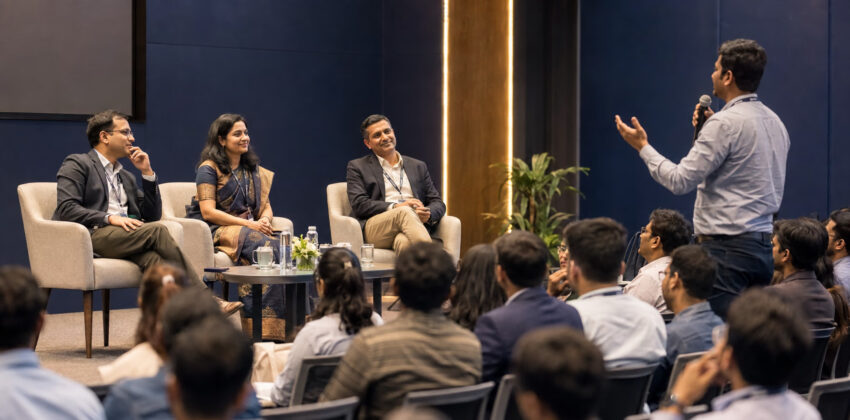
CFA Seminar in Delhi: Understanding the Skills Needed for a Career in Logistics
The logistics and supply chain industry connects manufacturers, distributors, warehouses, and customers through a network of coordinated operations. As businesses expand their distribution activities, professionals with knowledge of inventory, warehousing, transportation, and carrying and forwarding operations are needed to support these processes.
For students and aspiring professionals, a CFA seminar in Delhi can be a useful opportunity to understand the industry and explore the skills required for a career in logistics and supply chain.
What Is a CFA Seminar?
A CFA seminar introduces participants to the fundamentals of carrying and forwarding operations and their role in supply chain management. These seminars can cover topics such as inventory handling, warehouse coordination, dispatch planning, documentation, and the movement of goods.
A C&F seminar in Delhi can also help learners understand how carrying and forwarding agents support businesses by managing the storage and distribution of products. Understanding these functions provides a foundation for exploring different roles within the logistics industry.
Exploring Career Opportunities in Logistics
Logistics includes several operational areas, each requiring different skills and responsibilities. A logistics seminar in Delhi can help participants gain an overview of these areas and understand how they work together.
Some of the key areas include:
- Warehouse and inventory management
- Carrying and forwarding operations
- Transportation coordination
- Distribution and dispatch
- Supply chain documentation
- Stock control and order processing
Exploring these areas can help individuals identify suitable logistics career opportunities and understand the types of knowledge needed for different operational roles.
Understanding C&F Agent Training
Carrying and forwarding agents play an important role in the distribution of goods. Their responsibilities may include receiving products, maintaining stock records, coordinating dispatches, and ensuring that goods move through the supply chain according to operational requirements.
Through C&F agent training, learners can develop an understanding of these processes and the importance of accurate documentation, inventory control, and coordination.
A carrying and forwarding agent course can be relevant for individuals who want to learn more about C&F operations and develop a foundation in the activities involved in managing goods within a distribution network.
Similarly, a C&F agent course can introduce learners to the responsibilities associated with carrying and forwarding operations and the skills used in day-to-day logistics activities.
Building Knowledge Through a CFA Operations Course
CFA operations involve multiple activities that must work together to support the movement and storage of products. These include receiving goods, managing inventory, coordinating warehouse activities, and arranging dispatch.
A CFA operations course can help learners understand these functions and how they contribute to efficient supply chain operations. It may be particularly useful for individuals interested in developing practical knowledge of carrying and forwarding activities.
For those considering a career in logistics and supply chain, learning about CFA operations can provide a starting point for understanding the operational side of the industry.
Why Warehouse Management Matters
Warehouse management is an important part of logistics because it helps businesses organize inventory and coordinate the movement of goods. Proper storage, stock tracking, order processing, and dispatch planning all contribute to effective warehouse operations.
A warehouse management seminar can introduce participants to the basic principles of warehouse management and the role of inventory accuracy in supply chain performance.
Understanding warehouse operations can also help aspiring professionals explore career paths related to inventory control, warehouse coordination, stock handling, and distribution.
Developing Industry-Focused Logistics Skills
A successful career in logistics requires an understanding of how different operational activities connect. Training can help learners become familiar with processes such as stock management, documentation, warehouse coordination, and distribution planning.
Logistics and supply chain training can provide an introduction to these areas and help learners understand the practical knowledge required in the industry.
Individuals looking for structured learning opportunities can explore a logistics training institute in Delhi to learn about relevant courses and training pathways.
Those specifically interested in carrying and forwarding operations can also explore a CFA training institute in Delhi to understand available learning options and the subjects covered in relevant programs.
How a Logistics Career Seminar Can Help
A logistics career seminar can help students and aspiring professionals understand the different functions within the logistics industry before choosing a career direction.
Such sessions may provide information about:
- The role of logistics in business operations
- Carrying and forwarding activities
- Warehouse and inventory management
- Skills required for logistics jobs
- Training options for beginners
- Potential career pathways in supply chain operations
By learning about these areas, participants can make more informed decisions about the type of training they may want to pursue.
Start Exploring Your Career in Logistics
The logistics and supply chain industry offers opportunities across warehousing, distribution, inventory management, and carrying and forwarding operations. Developing knowledge of these functions can help aspiring professionals understand the industry’s working environment and the skills required for different roles.
Attending a CFA seminar in Delhi can be a useful first step for individuals interested in logistics operations and career-oriented training. Whether your interest lies in C&F activities, warehouse management, or broader supply chain functions, gaining industry awareness can help you plan your next learning step.