
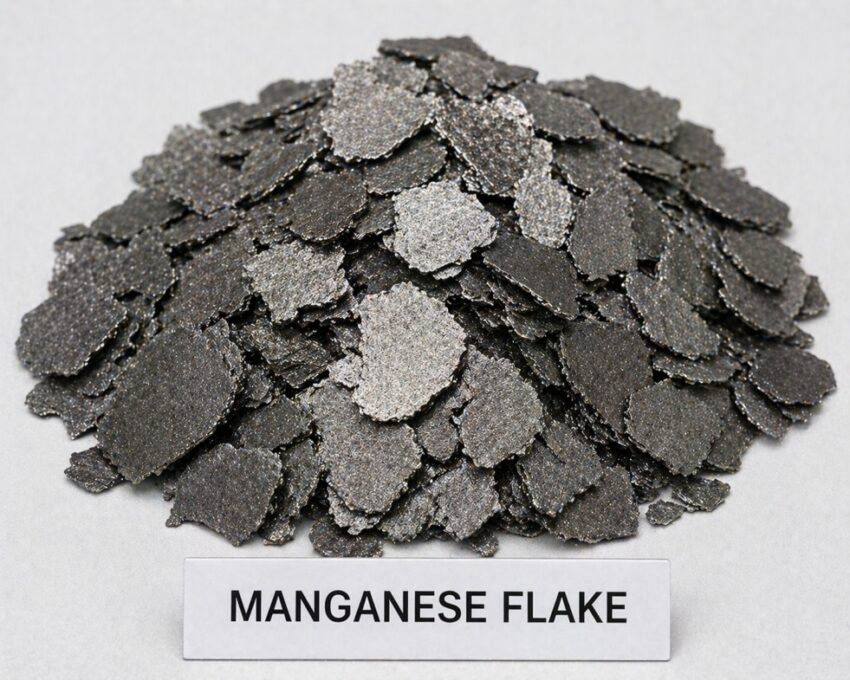
The Manganese Flake Price Trend has become an important indicator for manufacturers, traders, and procurement teams across different industries. Manganese flakes are widely used in the production of specialty alloys, batteries, chemicals, welding materials, and other industrial applications. Because of their growing importance in modern manufacturing, businesses closely monitor changes in Manganese Flake Prices to make better purchasing and inventory decisions.
Like many industrial materials, the market does not remain constant throughout the year. Changes in raw material availability, production costs, transportation expenses, seasonal demand, and global trade conditions all influence the overall price movement. While prices may increase during periods of strong industrial activity, they may also soften when demand slows or supply improves. Understanding these market dynamics helps companies reduce procurement risks and improve long-term planning.
👉 👉 👉Please Submit Your Query for Manganese Flake Price Trend, demand-supply, suppliers, market analysis:https://www.price-watch.ai/book-a-demo/
Growing Industrial Demand Supports Market Activity
Manganese flakes play a vital role in several industrial sectors. One of their primary uses is in alloy production, where they improve the strength, hardness, and wear resistance of steel and other metal products. As construction projects, infrastructure development, and manufacturing activities expand, demand for manganese flakes generally increases.
The battery industry has also become an important consumer of manganese-based materials. As electric vehicles and energy storage systems continue to grow worldwide, manufacturers are paying closer attention to the supply of high-quality manganese products. Although different battery technologies require different grades of manganese, rising investment in energy storage has supported overall market interest.
The chemical industry is another significant consumer. Manganese compounds are used in fertilizers, pigments, water treatment chemicals, and various industrial processes. When these industries experience stable production, demand for manganese flakes usually remains healthy.
Raw Material Availability Influences Price Movement
One of the biggest factors affecting the Manganese Flake Price Trend is the availability of raw manganese ore. Mining activities, weather conditions, government regulations, and transportation challenges can all impact the supply of raw materials reaching processing plants.
When mining operations face disruptions or production declines, manufacturers may experience higher raw material costs. These increased costs often move through the supply chain and contribute to rising Manganese Flake Prices. On the other hand, when mining output remains stable and inventories are sufficient, the market often experiences greater price stability.
Processing costs also play an important role. Energy consumption, labor expenses, equipment maintenance, and environmental compliance all influence production costs. Any increase in these operating expenses can eventually be reflected in market prices.
Energy Costs Continue to Affect Production Economics
Energy is an essential part of manganese flake production. Manufacturing requires electricity, fuel, and various industrial processes that consume significant energy. As global energy prices fluctuate, production costs also change.
When electricity and fuel become more expensive, manufacturers may adjust their selling prices to recover higher operating expenses. Similarly, lower energy costs can help reduce production expenses and create opportunities for more competitive pricing.
Although energy prices are only one part of the overall market, they remain a closely monitored factor because they directly influence manufacturing economics across many industrial materials.
Transportation and Logistics Shape Supply Chains
Efficient transportation is necessary for maintaining a stable supply of manganese flakes. Raw materials must be transported from mining locations to processing facilities before finished products reach distributors and end users.
Freight rates, shipping availability, port congestion, and delivery schedules can all influence the market. When transportation becomes more expensive or slower due to logistical challenges, supply may tighten temporarily. Such situations often create upward pressure on Manganese Flake Prices.
On the other hand, when shipping routes operate smoothly and transportation costs decline, the market generally benefits from improved product availability and more stable pricing.
Global Manufacturing Activity Drives Consumption
Industrial production levels strongly influence manganese flake demand. When manufacturing activity expands across sectors such as automotive, machinery, infrastructure, and engineering, consumption of manganese-containing materials usually increases.
Economic growth often encourages companies to invest in new projects, increase production, and purchase larger quantities of industrial raw materials. This stronger demand may support higher market prices.
However, during periods of slower industrial growth or cautious business spending, buyers often reduce purchasing volumes and purchase only according to immediate production needs. Such buying behavior may create softer market conditions and moderate price movements.
Inventory Levels Influence Purchasing Decisions
Inventory management has become increasingly important for both suppliers and buyers. Manufacturers try to maintain sufficient inventories to meet customer requirements without carrying excessive stock.
When inventories remain low, even a small increase in demand can quickly tighten supply, leading to higher prices. Conversely, if warehouses hold large inventories and demand slows, suppliers may offer competitive pricing to reduce stock levels.
Many procurement teams regularly monitor inventory conditions before placing large orders. This approach helps companies manage costs while reducing exposure to sudden market fluctuations.
International Trade and Market Sentiment
Global trade policies, import-export regulations, and international business conditions also affect the manganese market. Trade restrictions, changing tariffs, currency movements, and geopolitical developments can influence both supply availability and purchasing confidence.
Businesses often respond cautiously during uncertain market conditions. Buyers may delay purchases while waiting for greater price clarity, whereas suppliers carefully monitor demand before adjusting production schedules.
Market sentiment itself can also influence short-term buying activity. Expectations regarding future supply or demand frequently affect purchasing decisions, even before actual changes occur in the physical market.
Technology and Sustainability Continue to Shape the Industry
Modern manufacturing continues to focus on improving efficiency while reducing environmental impact. Producers are investing in better processing technologies, energy-efficient equipment, and environmentally responsible production methods.
Sustainability initiatives are becoming increasingly important across mining and metal processing industries. Companies are working to improve resource utilization, reduce emissions, and optimize production efficiency. These improvements may help create more reliable supply chains while supporting long-term market stability.
As industrial technologies continue to evolve, manganese products are expected to remain important in several advanced manufacturing applications.
Future Outlook for the Manganese Flake Market
The long-term outlook for the Manganese Flake Prices remains positive due to continued industrial development and expanding applications across multiple sectors. Growth in infrastructure projects, battery manufacturing, engineering industries, and specialty alloys is expected to support steady demand over time.
However, the market will continue to respond to changes in raw material supply, production costs, energy markets, transportation conditions, and overall global economic activity. Companies that regularly monitor these factors will be better prepared to manage procurement strategies and control purchasing costs.
Although short-term fluctuations are normal in commodity markets, maintaining a balanced supply chain and improving production efficiency can help support long-term market stability.
Conclusion
The Manganese Flake Price Trend reflects a combination of supply, demand, production costs, logistics, and overall industrial activity. As manganese flakes continue to serve critical roles in alloy manufacturing, batteries, chemicals, and engineering applications, businesses will continue monitoring market developments closely. Understanding the factors that influence Manganese Flake Prices allows manufacturers, suppliers, and procurement professionals to make informed purchasing decisions, manage supply risks, and improve long-term planning. While temporary market fluctuations are expected, growing industrial demand and continuous technological advancement are likely to support the importance of manganese flakes in the global market for years to come.
👉 👉 👉Please Submit Your Query for Manganese Flake Price Trend, demand-supply, suppliers, market analysis:https://www.price-watch.ai/book-a-demo/
About Price Watch™ AI
Price-Watch AI is an India-based, independent raw material price reporting agency that provides real-time price forecasts and data-driven insights into global raw material markets. Price-Watch AI specializes in tracking raw material prices, analyzing market trends, and delivering timely updates on plant shutdowns, supply disruptions, capacity expansions, and demand-supply dynamics. The Price-Watch AI platform empowers manufacturers, traders, and procurement professionals to make faster, smarter decisions. Leveraging AI-powered forecasting and over a decade of historical data, Price-Watch AI transforms market volatility into actionable opportunity.
Futura Tech Park,
C Block, 8th floor 334,
Old Mahabalipuram Road,
Sholinganallur, Chennai,
Tamil Nadu, Pincode – 600119.
LinkedIn: https://www.linkedin.com/company/price-watch-ai/
Facebook: https://www.facebook.com/people/Price-Watch/61568490385598/
Twitter: https://x.com/pricewatchai
Website: https://www.price-watch.ai/