
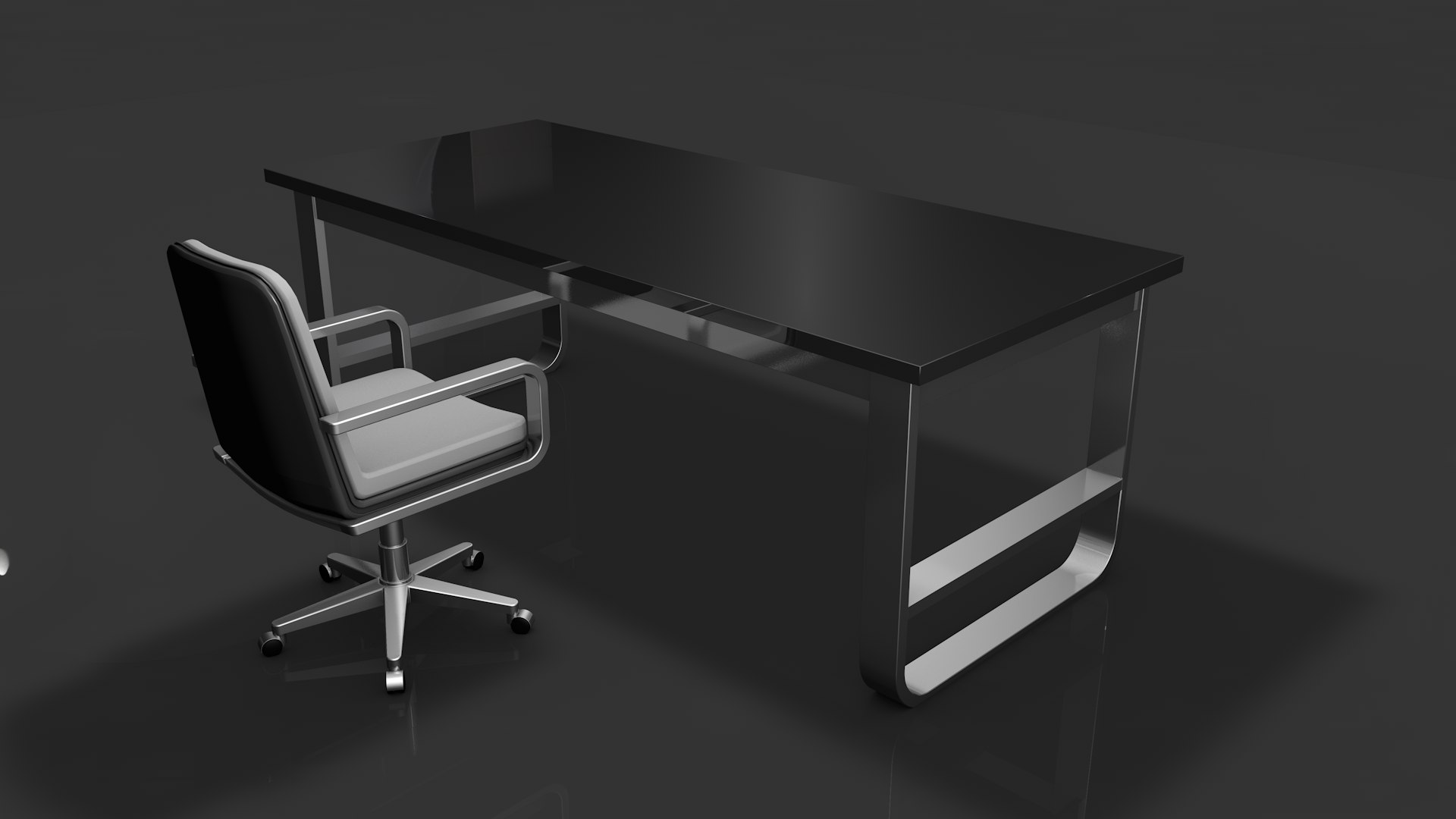
Choosing the right office table design is more than just picking furniture; it’s about creating an environment that enhances productivity and comfort. In modern workplaces, the office table is often the centerpiece that sets the tone for the entire workspace. A well-thought-out design can influence how employees interact, collaborate, and focus on their tasks. From ergonomic considerations to aesthetic appeal, selecting the perfect office table is crucial for organizations that value efficiency and style. Companies in Metro Manila and Quezon City are increasingly focusing on how the right office table design can improve workflow, making it a strategic investment rather than just a functional purchase.
Understanding Different Styles of Office Table Design
When exploring office table design, it’s essential to understand the various styles available. Traditional tables offer sturdy wood finishes and classic aesthetics, suitable for formal office setups. Modern tables, on the other hand, often feature sleek lines, modular components, and multifunctional designs, catering to dynamic work environments. Glass-top tables add sophistication and a sense of openness, whereas L-shaped or U-shaped tables provide maximum surface area for those handling multiple tasks simultaneously. Each type of office table serves a different purpose, and understanding your team’s workflow is key to making the right choice.
Ergonomics and Comfort in Office Furniture
One of the most critical aspects of any office table design is ergonomics. Prolonged sitting and improper desk height can lead to discomfort and health issues. Adjustable height tables, standing desk options, and ergonomic layouts ensure that employees maintain good posture and reduce strain. Investing in an ergonomic office table is an investment in employee well-being, resulting in higher productivity, reduced sick days, and overall satisfaction. Modern office setups increasingly prioritize ergonomics, making it a central feature in contemporary office table design.
Material Choices and Their Impact on Productivity
The material used in an office table significantly impacts both functionality and aesthetics. Wood is durable and offers a warm, professional look, while metal tables provide a modern, industrial feel. Glass tables create a spacious, clean appearance and can make small offices feel larger. Selecting the right material is not just about style—it’s about functionality. For example, scratch-resistant surfaces ensure longevity, and easy-to-clean materials reduce maintenance time. Understanding these nuances helps in choosing an office table design that balances beauty and utility.
Customization Options in Office Table Design
Customization is a growing trend in the world of office table design. Companies can now choose tables with built-in storage, cable management systems, or modular designs that adapt to different work styles. Personalized office tables allow businesses to reflect their brand identity while providing functional solutions for daily operations. For instance, collaborative spaces benefit from tables that can be rearranged or expanded, promoting teamwork and flexibility. A well-customized office table enhances both aesthetics and practical use, making it an essential element in modern office design.
The Role of Technology Integration
In today’s digital age, technology plays a vital role in shaping office table design. Many modern tables come with integrated power outlets, USB ports, and wireless charging stations, allowing employees to stay connected without cluttering their workspace. Some innovative designs include smart desks with embedded screens or task lighting that adjusts to natural light, improving focus and productivity. Incorporating technology into an office table ensures that employees have everything they need within arm’s reach, seamlessly blending functionality with style.
Choosing the Right Size and Layout
Selecting the proper size and layout for an office table is crucial to optimize space and efficiency. For small offices, compact tables with storage solutions help maximize limited areas, while larger tables are ideal for open-plan offices or executive workspaces. L-shaped, rectangular, or circular tables each have unique advantages depending on the type of work and team collaboration required. By carefully considering the dimensions and layout, businesses can create a workspace that encourages focus, communication, and organization while maintaining an appealing visual flow.
Budget Considerations for Office Table Design
Budget is always a factor when choosing the perfect office table design. While premium materials and custom features may come at a higher cost, the long-term benefits of investing in high-quality tables often outweigh the initial expenditure. Companies should assess their needs, the number of employees, and the intended office aesthetics before making a purchase. Affordable options are available without compromising functionality, allowing businesses in Metro Manila and Quezon City to furnish their offices effectively. A strategic approach ensures that the chosen office table meets both budgetary constraints and design goals.
Maintenance and Longevity of Office Tables
Maintenance is an important consideration in office table design. Tables that are easy to clean, resistant to scratches, and durable over time provide the best return on investment. Regular maintenance, such as polishing wooden surfaces or cleaning metal and glass tables, ensures that the office remains professional and inviting. Choosing a resilient office table not only preserves the office’s appearance but also supports a productive environment by minimizing disruptions caused by furniture wear and tear.
Enhancing Workplace Aesthetics
A well-chosen office table design can elevate the entire office ambiance. Beyond functionality, a stylish office table contributes to a positive impression for clients, visitors, and employees alike. Coordinating tables with chairs, décor, and lighting creates a harmonious workspace that feels welcoming and professional. Offices that prioritize aesthetics alongside functionality often report higher employee morale and engagement, proving that design choices play a pivotal role in overall workplace satisfaction.
Conclusion: Modern Solutions for Every Office
Investing in the right office table design is essential for creating an efficient, comfortable, and aesthetically pleasing workspace. From ergonomic considerations to material choices, technology integration, and customization options, every detail matters in shaping a productive office environment. By selecting the perfect office table, businesses can enhance collaboration, comfort, and workflow efficiency. For organizations seeking quality and innovation, Modern office table designs provides expertly crafted solutions that balance style and functionality, ensuring every office is optimized for success.