
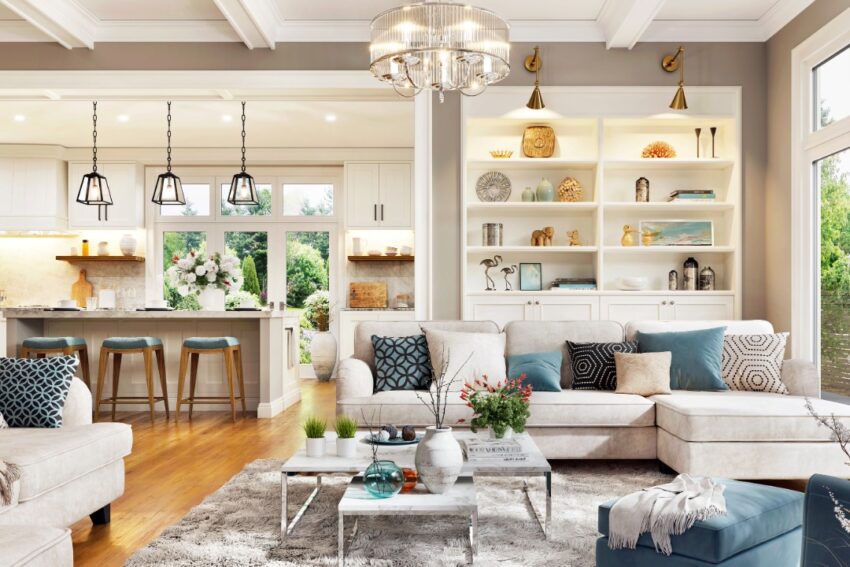
Modern home interior design focuses on creating living spaces that combine contemporary aesthetics with everyday functionality. Modern homes are designed to feel open, comfortable, organized, and visually balanced. From furniture and lighting to colors, materials, storage, and space planning, every element can contribute to a cohesive interior that reflects the homeowner’s personality while meeting practical lifestyle requirements.
The right selection of Home Furniture is an important part of creating a successful modern interior. Sofas, beds, dining tables, wardrobes, cabinets, and storage units should complement the home’s overall design while providing comfort and functionality. Carefully selected furniture can make efficient use of available space and help create a clean, coordinated appearance throughout the home.
Space planning is one of the foundations of modern interior design. Furniture and functional zones should be arranged to provide comfortable movement and prevent rooms from appearing overcrowded. Open layouts connecting living, dining, and kitchen areas are popular because they can create a greater sense of space and encourage interaction. However, each zone should still have a clear purpose.
Color selection can significantly influence the character of a modern home. Neutral shades such as white, beige, grey, and natural tones can provide a sophisticated foundation, while carefully selected accent colors can introduce personality. Wall finishes, upholstery, rugs, curtains, and decorative accessories can be coordinated to create visual harmony without making the interior appear overly busy.
Lighting is another essential design element. A combination of ambient, task, and accent lighting can create different moods and improve functionality. Pendant lights can enhance dining areas, recessed lighting can provide general illumination, and decorative fixtures can become focal points. Maximizing natural light through well-positioned windows and suitable curtains can also make rooms feel brighter and more spacious.
Storage solutions are particularly important in contemporary homes. Clutter can reduce the visual appeal of an otherwise well-designed interior. Built-in wardrobes, modular cabinets, floating shelves, TV units, and concealed storage can provide practical places for belongings while maintaining clean lines. Well-planned storage can be integrated into walls and furniture to make efficient use of available space.
Materials also contribute significantly to modern interiors. Wood finishes can introduce warmth, while glass and metal can create a sleek contemporary character. Laminates, veneers, textured surfaces, stone, and engineered materials can be combined according to the desired aesthetic and budget. Choosing durable and easy-to-maintain materials can help preserve the appearance of the home over time.
The living room often serves as the central social area of a modern home. Comfortable seating, a well-positioned entertainment unit, suitable lighting, and functional storage can create a welcoming environment. Furniture should be arranged to encourage conversation while maintaining clear pathways. A feature wall, artwork, textured panel, or carefully selected decorative element can add visual interest.
Modern bedrooms should prioritize relaxation and organization. A comfortable bed can be complemented by bedside tables, wardrobes, dressing units, and appropriate lighting. Soft colors and natural textures can create a calm atmosphere, while customized storage helps keep clothing and personal belongings organized. Space-saving furniture can be particularly useful in compact bedrooms.
Kitchens can also benefit from modern planning principles. Modular cabinetry, efficient work zones, organized storage, integrated appliances, and durable countertops can improve both functionality and appearance. The kitchen should be planned around the user’s cooking habits while allowing convenient movement between preparation, cooking, and storage areas.
Bathrooms should combine practicality with contemporary aesthetics. Wall-mounted storage, streamlined fixtures, suitable lighting, and easy-to-maintain surfaces can create an uncluttered appearance. Proper ventilation and moisture-resistant materials are also important for maintaining long-term performance.
Personalization gives a modern home its distinctive character. Family photographs, artwork, plants, books, decorative objects, and customized furniture can add warmth and personality. Modern design does not require a completely minimal interior; instead, it emphasizes thoughtful selection and purposeful placement of elements.
Sustainability can also be incorporated into contemporary home interiors. Durable materials, energy-efficient lighting, natural ventilation, responsibly sourced products, and furniture designed for long-term use can contribute to a more responsible living environment. Making practical choices during the design stage can reduce future maintenance and replacement requirements.
Ultimately, modern home interior design is about creating a balance between appearance, comfort, functionality, and personal style. Thoughtful space planning, coordinated furniture, effective lighting, smart storage, suitable materials, and personalized details can transform a house into a welcoming and efficient home. With careful planning, modern interiors can remain stylish while continuing to meet the changing needs of everyday life.