

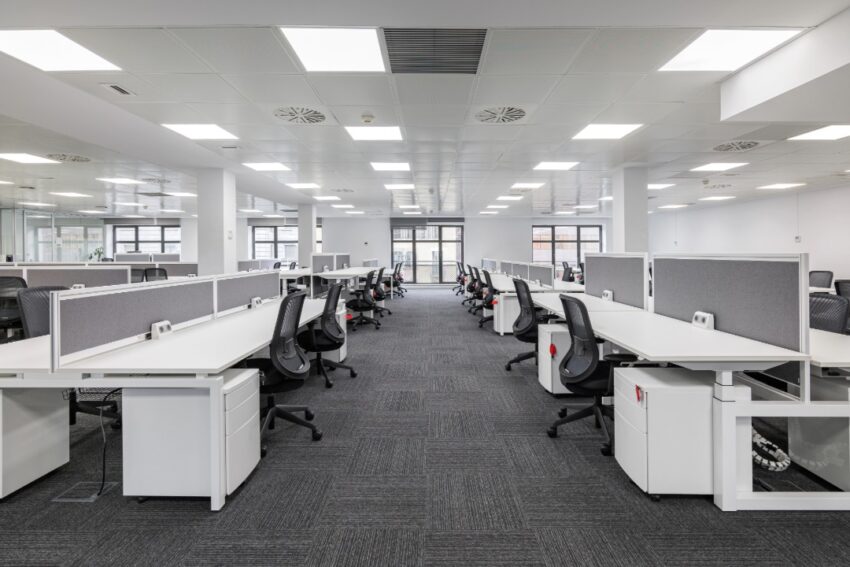
Modern office furniture combines functionality, comfort, aesthetics, and flexibility to meet the changing requirements of today’s workplaces. Businesses increasingly need furniture that supports individual work, collaboration, technology, and efficient space utilization. From ergonomic workstations to flexible meeting tables and smart storage, every furniture element can contribute to a more organized and comfortable office.
The ideas highlighted in Office Interior Design Trends That Improve Productivity can complement modern furniture planning. A thoughtfully selected combination of ergonomic seating, adaptable workstations, collaborative furniture, and functional storage can help create an office environment that supports productivity while maintaining a contemporary appearance.
Ergonomic Workstations
Modern workstations should be designed around employee comfort and practical working requirements. Desks with suitable dimensions, ergonomic chairs, monitor supports, and integrated cable management can create more organized work areas.
Height-adjustable desks can provide additional flexibility by allowing employees to alternate between sitting and standing.
Flexible Modular Furniture
Workplaces change as teams expand, departments move, and working styles evolve. Modular furniture allows desks, partitions, storage units, and seating arrangements to be rearranged when required.
This flexibility makes it easier for businesses to adapt their office layout without replacing the entire furniture setup.
Collaborative Furniture
Modern offices need dedicated spaces for communication and teamwork. Lounge seating, collaborative tables, soft seating, and movable furniture can create informal areas for brainstorming and quick discussions.
These spaces can complement traditional workstations and provide employees with alternatives for different tasks.
Contemporary Executive Furniture
Executive offices can combine professional aesthetics with practical functionality. Modern executive desks can feature clean lines, integrated storage, cable management, and technology provisions.
Matching visitor chairs and meeting tables can create a coordinated appearance while maintaining a professional environment.
Smart Storage Solutions
Clutter can affect the appearance and functionality of an office. Modern storage furniture includes filing cabinets, mobile pedestals, lockers, shelving, and integrated cupboards.
Storage can be incorporated directly into workstation systems to keep essential documents and personal belongings easily accessible.
Technology-Friendly Furniture
Technology is central to modern workplace operations. Office furniture can incorporate power outlets, USB charging points, cable-management channels, data connections, and provisions for monitors or displays.
Keeping technology organized within furniture helps create a cleaner and more efficient workspace.
Modern Conference Tables
Conference tables can be designed according to the size and purpose of the meeting room. Rectangular, oval, round, and modular configurations can support different meeting styles.
Integrated power and connectivity features can make conference furniture more suitable for presentations and hybrid meetings.
Reception and Visitor Furniture
Reception furniture contributes to the first impression of an office. Contemporary reception desks can combine functional storage with modern materials and distinctive finishes.
Comfortable visitor seating can be coordinated with the reception desk to create a welcoming and professional entrance.
Materials and Finishes
Modern office furniture is available in a wide range of materials and finishes. Laminates, wood-inspired surfaces, metal, glass, fabrics, and other materials can be combined to create a contemporary appearance.
Material selection should consider durability, maintenance, office usage, and compatibility with the overall interior design.
Sustainable Furniture Choices
Businesses can also consider furniture designed for long-term use and adaptability. Durable construction, replaceable components, modular systems, and responsibly selected materials can support more sustainable workplace planning.
Furniture that can be reconfigured or reused as requirements change can also reduce unnecessary replacement.
Creating a Cohesive Office
Furniture should work together as part of a complete office environment. Workstations, chairs, storage units, meeting furniture, reception desks, and breakout seating can use complementary finishes and design elements.
A consistent furniture scheme creates a visually organized workplace while allowing different areas to serve their specific purposes.
Conclusion
Modern office furniture provides businesses with practical solutions for creating comfortable, flexible, and professional workplaces. Ergonomic workstations, modular systems, collaborative seating, smart storage, technology-friendly designs, and contemporary meeting furniture can support the diverse requirements of modern organizations.
With careful selection and planning, modern furniture can improve the functionality of an office while creating a cohesive environment that is prepared to adapt to changing workplace needs.