
Introduction
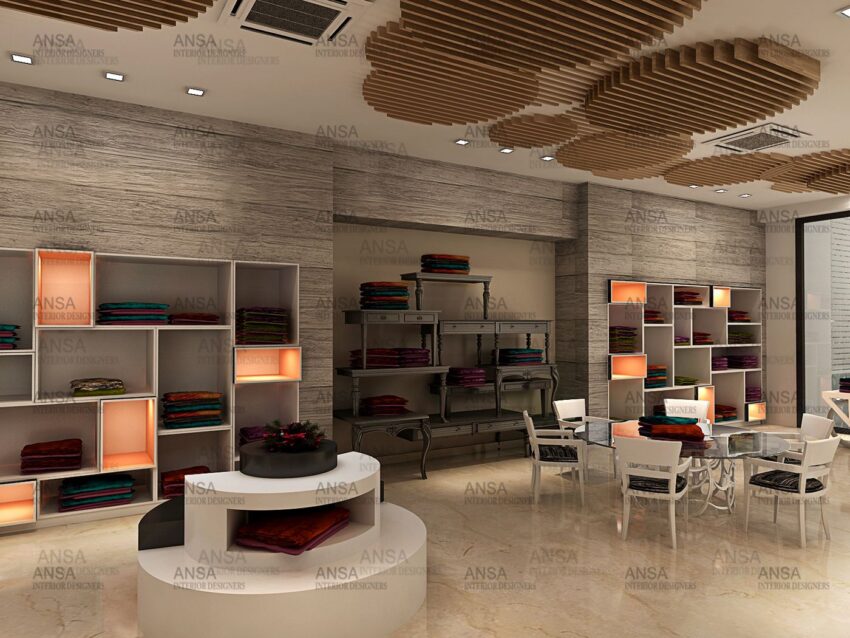
In today’s competitive retail environment, the way a showroom is designed can directly influence customer engagement and sales performance. A well-planned showroom not only displays products effectively but also creates a memorable and immersive experience for visitors. This is where showroom interior designing plays a crucial role.
Modern showrooms are evolving beyond simple display areas into interactive spaces that reflect brand identity and customer expectations. Interestingly, many concepts from office design, such as space optimization, workflow efficiency, and structured layouts, can be applied to showroom interiors. By incorporating these principles, businesses can create environments that are both visually appealing and highly functional.
What is Showroom Interior Designing?
Showroom interior designing involves planning and organizing retail spaces to showcase products in the most effective way. It focuses on creating a balance between aesthetics and functionality to enhance the customer journey.
Key components include:
- Product display layout
- Lighting and ambiance
- Space planning and zoning
- Customer flow management
- Branding and visual merchandising
The main objective is to guide customers through the space in a way that encourages interaction, exploration, and ultimately, purchasing decisions.
How Office Design Principles Apply to Showrooms
Modern office design focuses on improving workflow and maximizing productivity—concepts that can significantly improve showroom performance as well.
1. Space Optimization
Efficient use of available space ensures that products are displayed clearly without overcrowding. This creates a more comfortable and organized shopping environment.
2. Functional Zoning
Dividing the showroom into sections based on product categories helps customers navigate easily. It also allows businesses to highlight specific collections effectively.
3. Flow and Accessibility
A well-designed layout ensures smooth customer movement, reducing confusion and enhancing the overall experience.
4. Visual Organization
Structured displays and clear signage make it easier for customers to understand product features and offerings.
Key Elements of Effective Showroom Design
Layout Planning
Strategic placement of products ensures maximum visibility and easy access. A clear layout also helps guide customers naturally through the showroom.
Lighting
Proper lighting is essential for highlighting products and creating the right ambiance. Accent lighting can be used to draw attention to specific items.
Color Scheme
Colors should align with the brand identity and create a welcoming environment. Neutral tones often work well, complemented by bold accents.
Display Fixtures
Shelving units, racks, and stands should be both functional and aesthetically pleasing. They should enhance product visibility without overwhelming the space.
Types of Showroom Spaces
Different types of showrooms require different design approaches depending on their purpose and target audience.
Retail Showrooms
Focus on maximizing product visibility and encouraging customer interaction.
Experience Centers
Designed to provide immersive experiences where customers can interact with products before making decisions.
Luxury Showrooms
Emphasize spacious layouts, premium materials, and sophisticated design elements to create a high-end experience.
Benefits of Professional Showroom Interior Designing
Investing in professional showroom interior designing offers several advantages:
- Improved customer experience through better layout and design
- Enhanced product presentation that attracts attention
- Increased sales potential due to better engagement
- Stronger brand identity through consistent design elements
These benefits help businesses stand out in a competitive market and build long-term customer relationships.
Additional Design Considerations
To further improve showroom performance, businesses should also consider:
Technology Integration
Digital screens, interactive displays, and smart lighting can enhance customer engagement.
Flexibility
Modular fixtures allow easy reconfiguration of the space based on changing needs.
Customer Comfort
Providing seating areas and clear pathways improves the overall shopping experience.
Common Mistakes to Avoid
- Overcrowding the showroom with too many products
- Poor lighting that reduces product visibility
- Inefficient layout and customer flow
- Ignoring branding consistency
- Not applying effective office design principles
Avoiding these mistakes ensures a more functional and visually appealing showroom.
Conclusion
Showroom interior designing is a key factor in creating successful retail environments. By applying proven concepts from office design, such as space optimization and workflow planning, businesses can design showrooms that are both efficient and engaging.
A well-designed showroom not only enhances the customer experience but also improves brand perception and boosts sales. Investing in professional design solutions ensures long-term success and helps businesses stay ahead in a competitive marketplace.